Ocean travel has changed dramatically over the last century, yet some of the world’s most iconic steam line cruise routes from 100 years ago you can still take and book today. While the charm of tall funnels, elegant brass railings, and steam-driven engines belongs to history, several legendary ocean journeys remain active—now powered by advanced diesel-electric technology, modern navigation systems, and enormous powerplants that engineers of the 1920s could never have imagined.
Historic Steam Line Cruises You Can Still Take Today
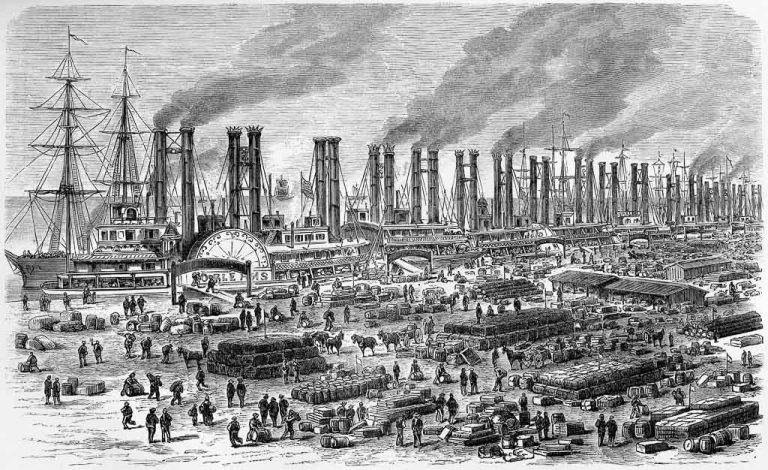
Between 1910 and 1930, ocean liners were the backbone of long-distance travel. Many routes operated by Cunard, White Star Line, and Holland America are still active today—modernized, but retaining their historic identity.
Below are a few iconic routes that continue to sail:
1. Transatlantic Route: New York → Southampton
- First operated: Early 1900s
- Historic steamliners: RMS Mauretania, RMS Olympic
- Modern ship today: Queen Mary 2 by Cunard
- Season: April–December
- Trip duration:
- 1920s: 6–8 days
- Today: 6–7 days
- 1920s: 6–8 days
This route remains one of the most legendary ocean crossings in the world.
2. Mediterranean Grand Route: Venice → Athens → Istanbul
- Historic operators: Lloyd Triestino, Italian Line
- Modern equivalents: MSC Cruises, Royal Caribbean
- Popular sailing months: March–October
This route showcases ancient ports, classical architecture, and maritime heritage.
3. Northern Europe Route: Hamburg → Oslo → Copenhagen
- Steamliners (1920s): HAPAG Line
- Today’s ships: Norwegian Cruise Line, AIDA Cruises
- Availability: Year-round sailings
This scenic route blends fjords, Nordic culture, and long maritime history.
Technical Comparison: 1920s Steamliners vs Modern Ships
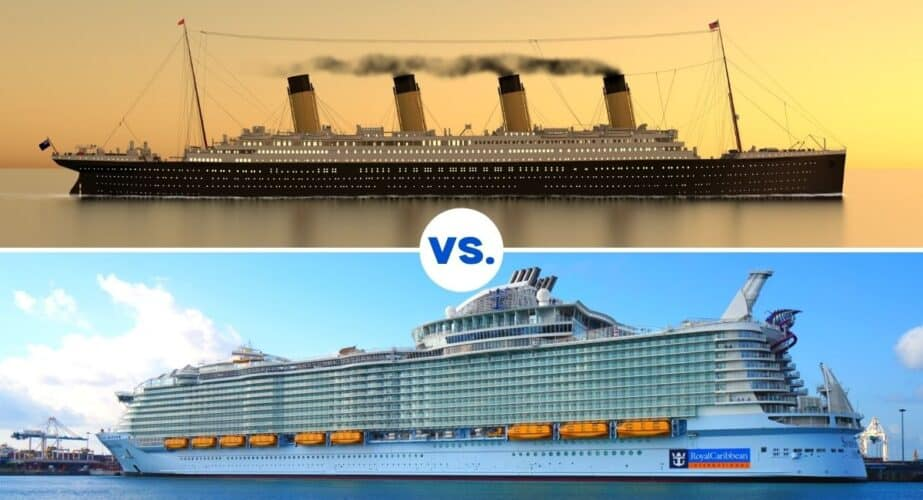
To appreciate how far marine engineering has come, it’s essential to compare power systems, propulsion, and performance across a full century.
1. Power Generation: Steam Boilers vs Diesel-Electric Plants
1920s Steamliners
- Fueled by coal or heavy fuel oil
- Operated using massive Scotch marine or Yarrow water-tube boilers
- Produced 25,000–70,000 SHP
- Needed hundreds of stokers, firemen, and engine crew
- Steam-powered dynamos produced limited electricity
Modern Cruise Ships
- Powered by low-sulfur diesel, LNG, and hybrid battery systems
- Diesel engines generate electricity → propulsion motors drive the ship
- Produce 100,000–157,000 SHP
- Highly efficient with sophisticated automation
- Capable of powering a small city on board
Example:
The Queen Mary 2 uses multiple diesel engines and gas turbines generating 157,000 horsepower, more than double the power of most 1920s steamliners.
2. Propeller Output and Propulsion Engineering
1920s Steamliners
- Twin-screw or four-screw propulsion
- Propeller RPM: 80–150
- Turbines connected directly to the shaft
- Frequent cavitation and vibration
- Speed: 21–27 knots
Modern Cruise Ships
- Use Azipod electric propulsion or advanced controllable-pitch propellers
- Propeller RPM: 120–180
- Smooth maneuvering and superior fuel efficiency
- Speed: 20–22 knots (slightly slower but far more efficient)
Technical Comparison (Bullet-Point Chart Format)
• Power Output
- 1920s Steamliners: 30,000–70,000 SHP
- Modern Ships: 100,000–157,000 SHP
• Propeller RPM
- 1920s Steamliners: 80–150 RPM
- Modern Ships: 120–180 RPM
• Fuel Type
- 1920s: Coal or Heavy Fuel Oil
- Modern Ships: Diesel, LNG, or Hybrid Systems
• Top Speed
- 1920s: 21–27 knots
- Modern Ships: 20–22 knots (much more fuel-efficient)
• Engine Room Crew Requirements
- 1920s Ships: 150–300 crew members
- Modern Ships: 20–40 crew members (automation and digital control)
Why Marine Jobs Are Growing: Demand for Skilled Technicians
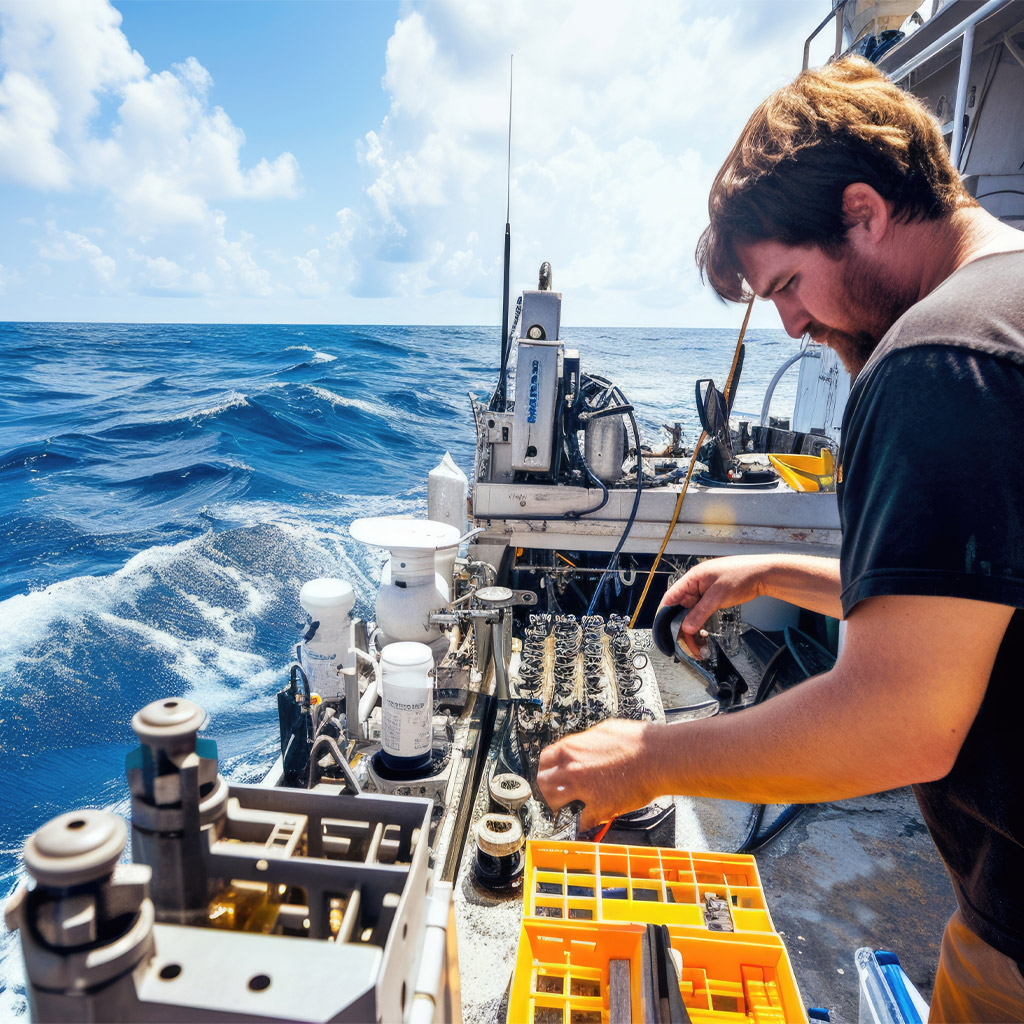
Even with increasing automation, the maritime world is experiencing a shortage of skilled workers. Companies are urgently recruiting experienced marine generator technicians and industrial mechanics, offering competitive salaries for industrial mechanic jobs.
Here’s why demand is rising:
1. Modern Ships Operate Like Floating Power Plants
Cruise ships produce enormous electrical loads to power:
- propulsion motors
- HVAC systems
- lighting
- onboard entertainment
- navigation systems
Maintaining these requires highly skilled generator and electrical technicians.
2. LNG and Hybrid Systems Need Advanced Mechanical Skills
Modern ships use:
- LNG dual-fuel engines
- battery-assisted propulsion
- complex automation systems
These technologies are new, so workers with hybrid-fuel expertise are in demand.
3. Massive Shortage of Skilled Marine Engineers
Thousands of experienced technicians are retiring, leaving a major workforce gap. This is driving higher salaries and bonuses in the sector.
4. Cruise Industry Expansion
More ships launching every year means more engineering departments to staff.
More ships = more jobs.
How Historical Knowledge Helps Today’s Technicians
While propulsion systems have evolved, the underlying engineering principles remain similar.
Understanding:
- steam pressure
- turbine mechanics
- thermal dynamics
- generator principles
…helps modern technicians troubleshoot more effectively.
This is why many marine companies value technicians who understand both historic and modern systems.
The Timeless Appeal of Century-Old Cruise Routes
Booking a cruise today on a route first traveled in the 1920s connects passengers directly with maritime history. Even though today’s ships are larger, cleaner, faster, and more efficient, the magic of ocean travel remains the same.
Whether crossing the Atlantic, exploring the Mediterranean, or cruising the Nordic seas, travelers experience a blend of:
- timeless ocean views
- historic ports
- the same sea routes sailed by iconic steamliners
Modern engineering powered by skilled technicians ensures these journeys continue safely and efficiently.
Final Thoughts
A hundred years of engineering progress separates the steamliners of the 1920s from today’s advanced cruise ships, yet the ocean routes themselves remain iconic and unchanged. The comparison between past and present highlights remarkable advancements in power generation, propulsion, and efficiency.At the same time, the maritime sector faces a critical skill shortage, making hiring generator technicians and certified industrial mechanics more important than ever.