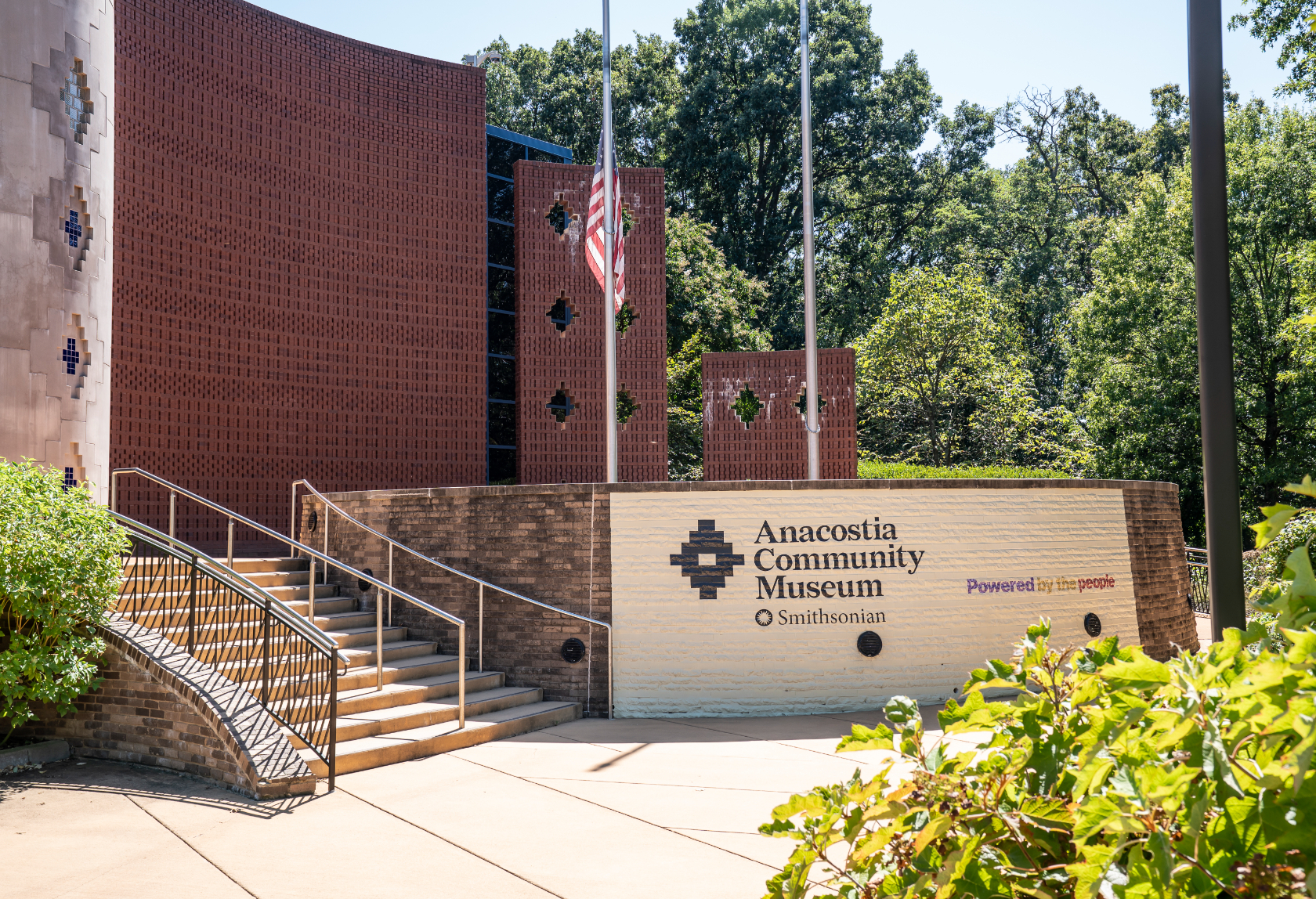
Laura Washington took full advantage of the community garden outside of the Smithsonian’s Anacostia Community Museum. She picked her way through bunches of herbs that included mint, sage, rosemary, and lavender.
“I didn’t know that we could take this,” said the Ward 7 resident. “Glad I asked that I could take some today because this is a great…unexpected benefit of coming here this morning.”
The herb garden is part of a youth workshop series offered through the museum’s community gardening program. They offer classes every other Saturday from March to October.
There’s also a farm stand every Saturday, between April and November (it’s the only direct-to-consumer farm stand of its kind in Ward 8)
And of course, there’s exhibitions that tell the stories of D.C.’s Black community. Currently there’s, “A Bold and Beautiful Vision: A Century of Black Arts Education in Washington, DC, 1900-2000” which “traces the story of the teachers and students who shaped D.C.’s Black art education.” Showing until January, visitors can see original artwork, rare video footage and artistic artifacts.
There’s also “Washington, DC Women Speak”, a project where women from the region have shared their oral histories and “experiences of community”.
The Anacostia Community Museum was founded as the Anacostia neighborhood museum in 1967 as an outreach effort by the Smithsonian to the local Black community. Since then, it’s been a jewel for Anacostia residents.
Now, however, the neighborhood is likely to lose it as the Trump administration proposes to eliminate its federal funding and collapse it into the National Museum of African American History and Culture.
For this month’s Voices of Wards 7 and 8, WAMU arts and culture reporter Darryl C. Murphy and photojournalist Dee Dwyer spoke to community members about what the Anacostia Community Museum means to them.
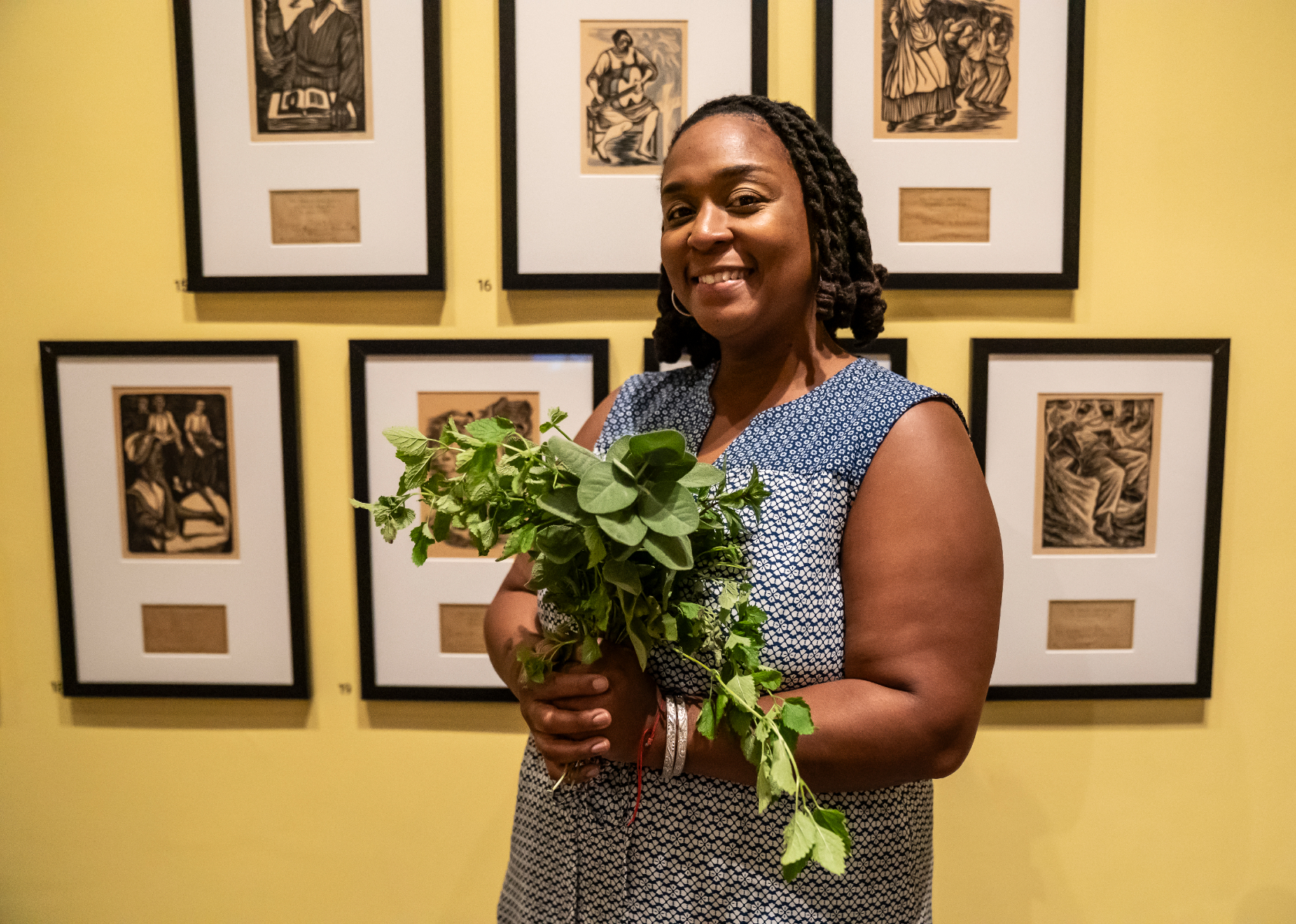
Laura Washington
My name is Laura Washington. I live by Fort Dupont, off Benning and Minnesota Avenue. I’m from Chicago, but I’ve been living here for 15 years…that’s Ward 7. So, this is my second time, I think, coming for the gardening. I’m getting some mint from the community garden here at the Smithsonian Anacostia Community Museum. I’m about to get some sage, some rosemary, and some lavender. Making my way down the line, picking up some fresh herbs on this Saturday morning.
I’ve been coming probably about 10 or 12 years, since I moved to the area – when I discovered that we had a Smithsonian in our community. Though I’m in Ward 7 – this is Ward 8 – I consider the East River my community. It’s less than a 20 minute drive, so it’s my community. I was so honored that we had a Smithsonian in my community. When I learned that it focused on often D.C. centric, local stories and engaged our community, it was just a pleasure to even engage with it. What community has a Smithsonian in their neighborhood that’s focused on them? The people that run it look like me here, which is great. That makes museums more accessible.
To close its doors, that means I lose my community museum. This is like my community museum. It’s not just the Smithsonian’s Anacostia Community Museum, it’s my community because it’s in my community. I can bike over here, I can find parking here, I can see people that look like me here, and I feel comfortable here. More importantly, it’s something that I can get to. I do hope that one way or another, be it through federal intervention or private foundations, it’s able to maintain itself. It’s too deep in history and value to the community. What we feel about this museum is important too, it’s not just what the President or the larger powers feel about it. It’s the people that come here that also matter.
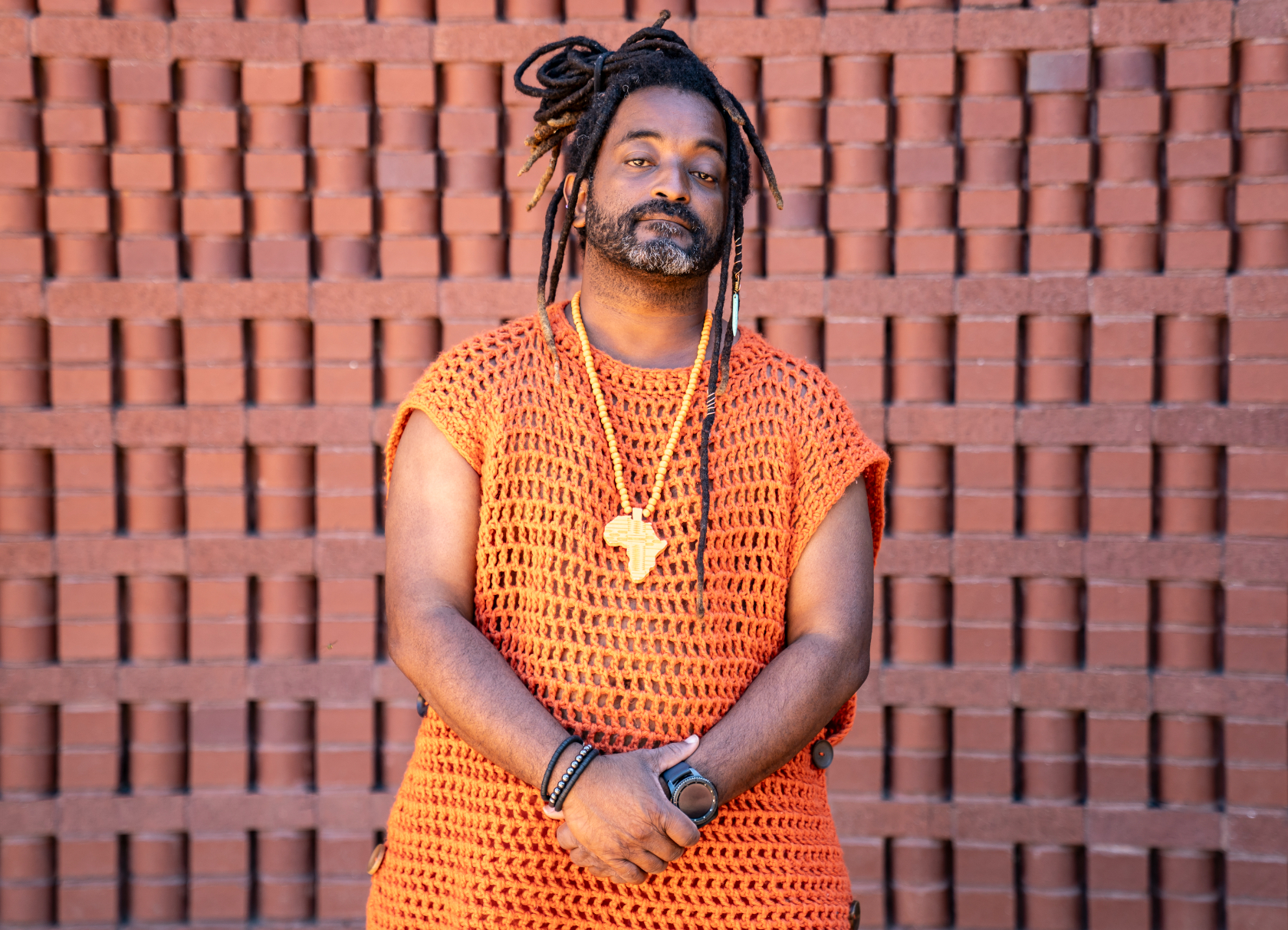
Dwayne Lawson-Brown
Hi, my name is Dwayne Lawson-Brown. I am from Southeast Washington, D.C., born and raised, and I’m overjoyed to be present representing Crochet Kingpin in Southeast every day, all day. I love the Anacostia Community Museum. This is the museum where I found out that we could have a space and have our stuff shown. I had the pleasure of leading a crochet workshop for beginners and some experienced artists. This space is very welcoming, it captures D.C.’s culture and highlights it for the world to see, but sometimes it feels like folks don’t realize that it’s about D.C. and about the communities that are here.
When I was seven and went to Stanton Elementary, we took a field trip up to this museum. They made a darkroom for us to learn how to develop photos. We went to our neighborhoods, we took pictures, and then our photos were up on display in the museum. That showed me there’s room in museum spaces for our voices. It set the seed that let me know I could be an artist that has museum-worthy work and that we as a community are museum-worthy. That’s the important work that gets to happen at community museums and specifically the Anacostia Community Museum.
The potential closure of this space doesn’t feel fair. The intention wasn’t just to have a Black museum, but to have a museum that represents D.C. and that speaks to the communities and the community’s needs. Because this is embedded in the community, this is in the neighborhood, it gets to be something that means more. We are losing a dedicated space that is D.C. focused and driven. We’re losing this space on the south side in Southeast, and that just feels drastically unfair. My hope would be that there be a greater level of transparency between those making these decisions and the people in the communities. At best, we can hope states would step up and stand beside D.C. and not leave us out to drown.
D.C. residents are often a disenfranchised people. There’s a long history of D.C. natives creating cultural things that don’t get celebrated until they go to other places. We pay higher taxes than some states, but we’re not fully represented in Congress or in the Senate. So, this attack on this museum is another attack on our history and on us being able to have something. This museum helped shape the artist I became. I am a crocheter, poet, photographer, playwright. The goal ultimately is to bring people together and invite them to feel something. That’s what a lot of my art is about it’s about creating space for us to feel.
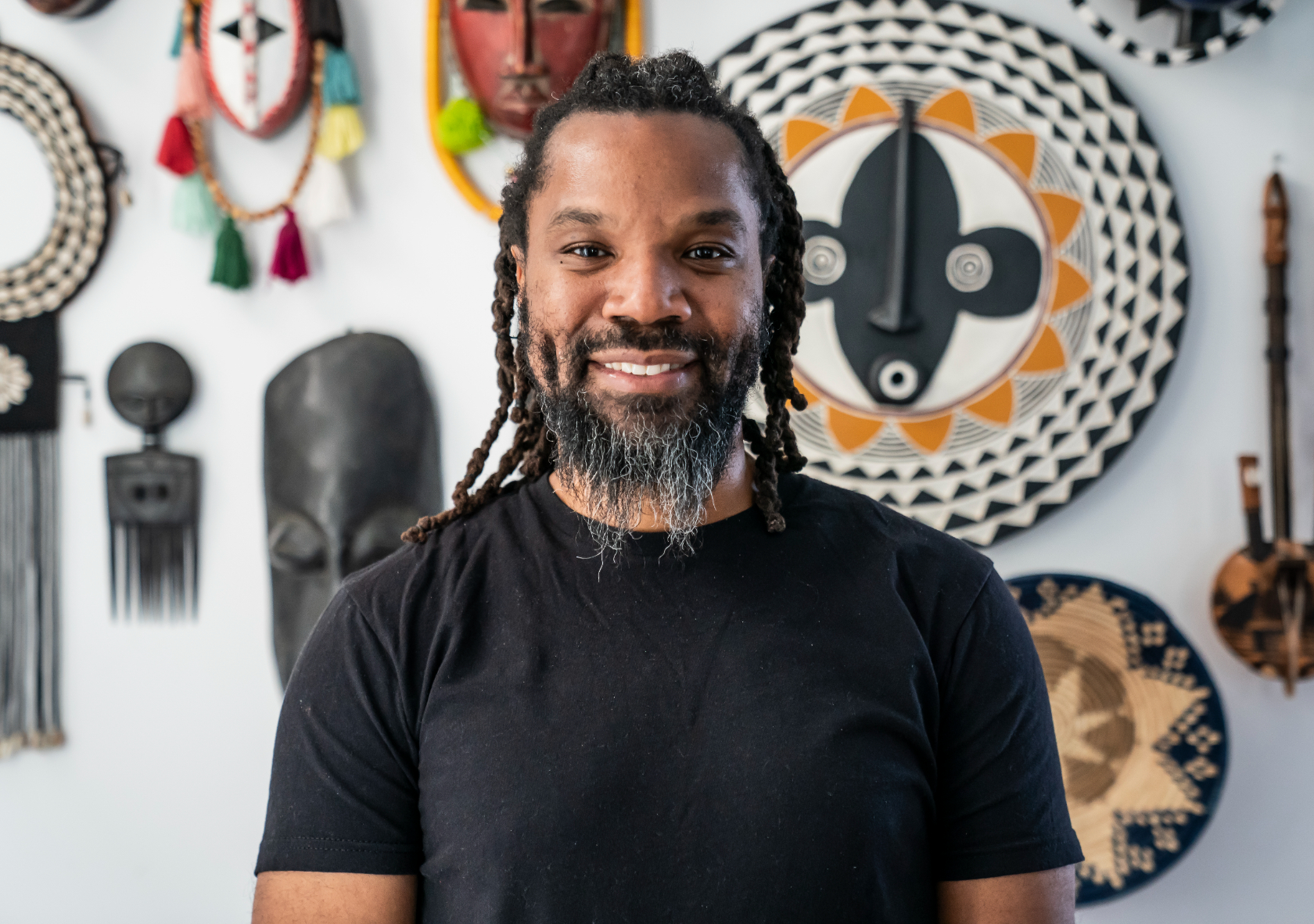
John Johnson
My name is John Johnson. I’m a storyteller, poet, and playwright. I live in historic Anacostia, and I’m a native Washingtonian. The Anacostia Community Museum is a staple in Ward 8. It has a history in itself. I know that it used to be on Martin Luther King Avenue, where it was rooted, and a lot of people don’t understand community museums as a special entity. It’s been the voice of the locals. D.C. has its own rhythm, and I feel like the community museum is like the beacon on a microphone for the people.
As an artist, I’ve had a deep connection to the museum. I used to do a lot of storytelling workshops with the seniors, and I still attend community meetings through the Anacostia Coordinating Council. Their exhibitions are amazing – they give you more colors and flavors, like their shows on Duke Ellington and other institutions. The Juneteenth celebration is a memory that stays with me: hearing local artists like Noochie perform before he blew up, being in that space with community, and feeling the significance of the moment. I’ve also learned from elders there, people who lived through the civil rights movement, and their calm gave me a roadmap for navigating today’s struggles.
I do playback theater, poetry, and storytelling about the Blackness and chocolate-ness of this city. At the museum, I’ve been more involved on the programmatic side, like leading Kwanzaa events where we used playback theater to connect with the community around the principles of Kwanzaa. Over the years they’ve used me in many community engagement projects, and I’ve always walked away inspired by the exhibitions. These exhibitions are novels of storytelling whether it’s D.C.’s emancipation, education, or culture and they give our history depth that mainstream society often overlooks.
That’s why this museum matters. Right now, people are skeptical of changes and talk of merging it into other institutions. As it stands, it does excellent work, and I’d hate to see that diluted. Community museums tell stories from a community lens, and I don’t want that discounted. Losing this museum would mean losing a microphone, losing our weight, losing the ability to tell our stories in our own voice. Why not have a Smithsonian here? We are the nation’s capital, and Anacostia has a richness from the Nacotchtank people to Frederick Douglass to the 70,000 residents still without full voting rights that deserves to be told. The Anacostia Community Museum is a jewel, and its story is our story.
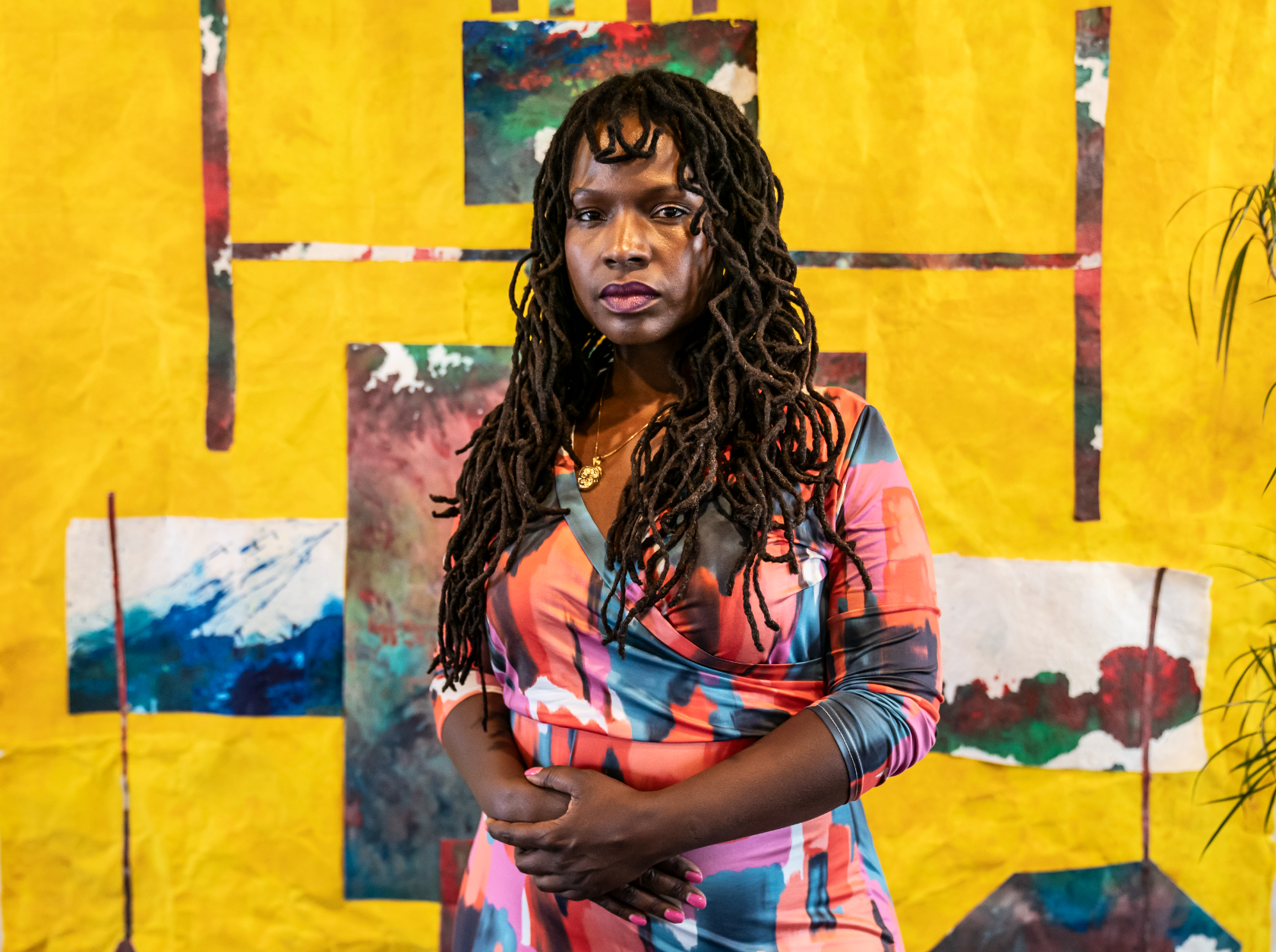
Melani Douglas
My name is Melani N. Douglas. I’m from Baltimore originally, but I’ve been in D.C. since 1999. I came to Anacostia in 2004, and I bought my home that same year. I had a relationship with the Anacostia Museum even before I moved here, because it’s one of the few community museums in the country, in the city and region. They always had local artists and were accessible. It has tremendous archives, partnerships, and really serves as an integral part of life in this area.
When I think of the Anacostia Community Museum, it isn’t just about going inside for exhibitions. Sometimes people take for granted the outside, herbs growing, sculptures on the lawn, the architecture itself. The museum is part of the neighborhood’s fabric. You might go once a season, but really, you’re always encountering it. It’s a meeting place, a space for meetings, community introductions, and gatherings. The exhibitions are powerful, connecting this community to others globally and preserving local history, but its role is different than the National Gallery of Art. A community museum is truly of the community.
There are so many memories: the annual Juneteenth celebrations, with go-go bands, stages, and activations throughout the museum. You know you’ll run into people, see the exhibitions, and celebrate together. I also remember exhibitions like the Haitian beaded flags, South African art pieces, and work on education. Each one was powerful. But it’s also the unexpected, who you meet at a community meeting, or just sitting in the circle space inside and seeing how the same building changes with each new curation. That is the beauty of museums, and of this one.
Baltimore shaped me, but Anacostia reminds me of that same everyday love. Anacostia is love, its organization, it’s communities coming together to solve problems. It’s one of the last places in D.C. where you get a solid hello walking down the street. People are still in community here. To me, Anacostia is nature, empowerment, and a reminder not to judge a book by its cover. You don’t know who you’re talking to, you don’t know what they know, so treat everybody with the highest level of humanity you can.
The post Voices of Wards 7 and 8: The Anacostia Community Museum appeared first on WAMU.
Published Date : 2025-09-29 20:16:00
Source : wamu.org