By Gracus Bloom | City-Paper.com
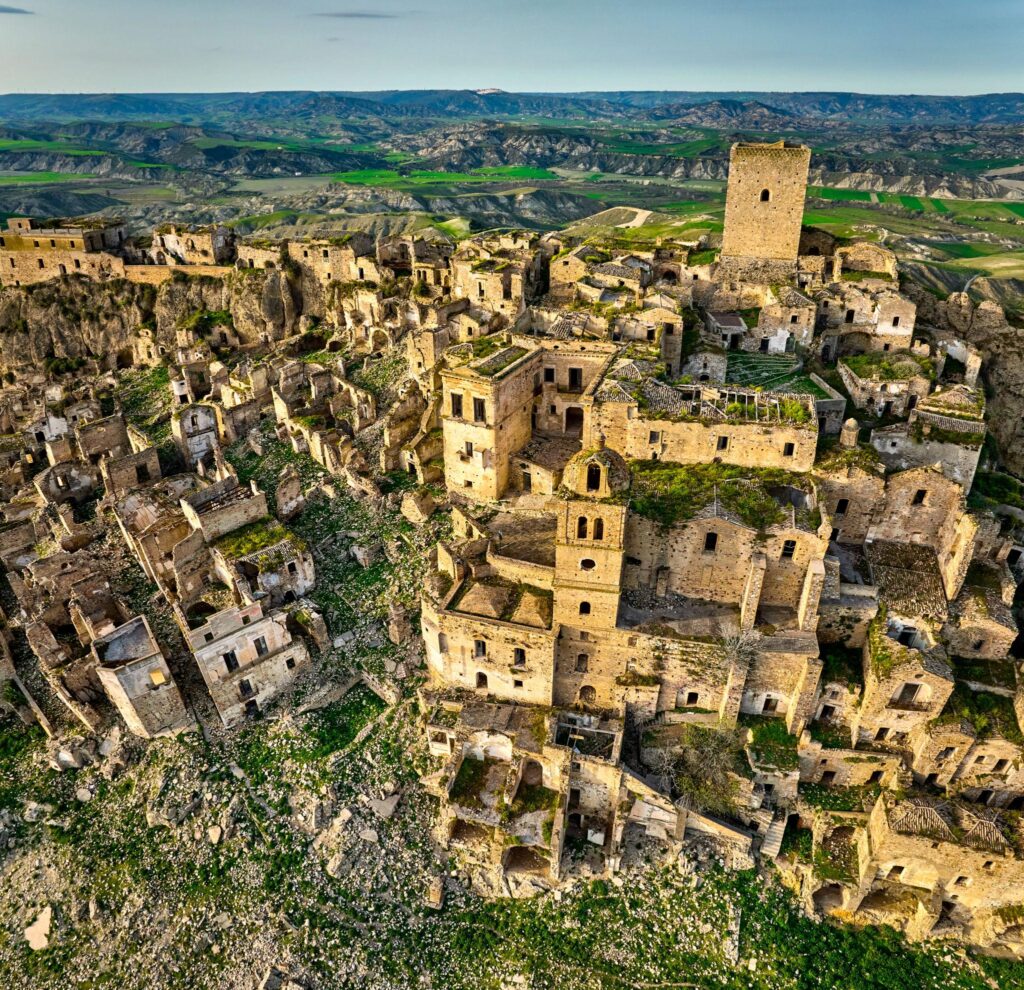
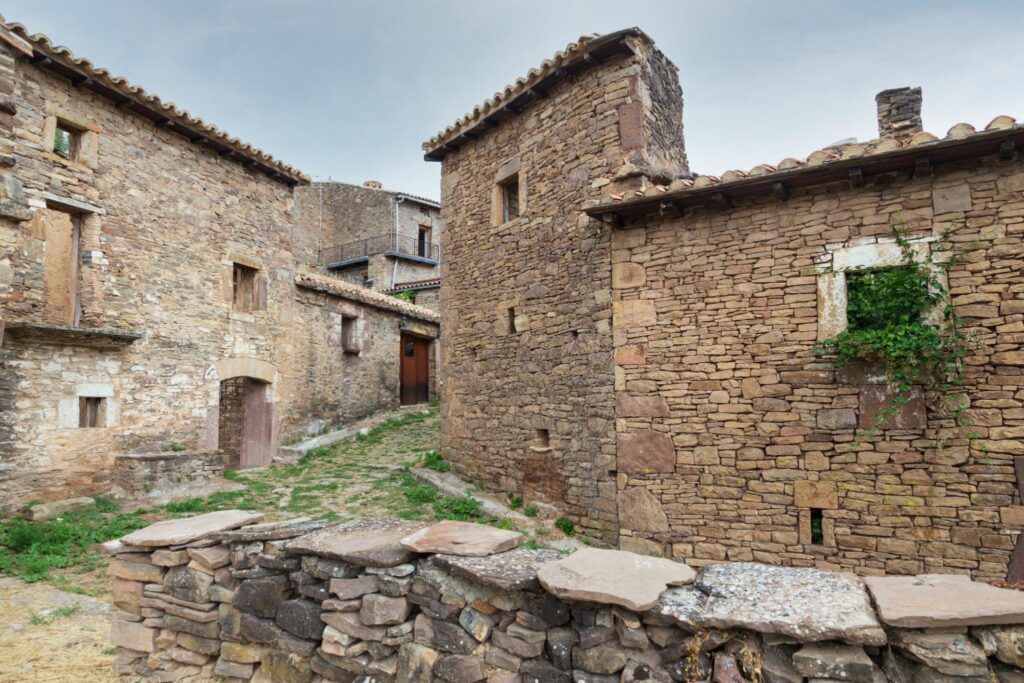
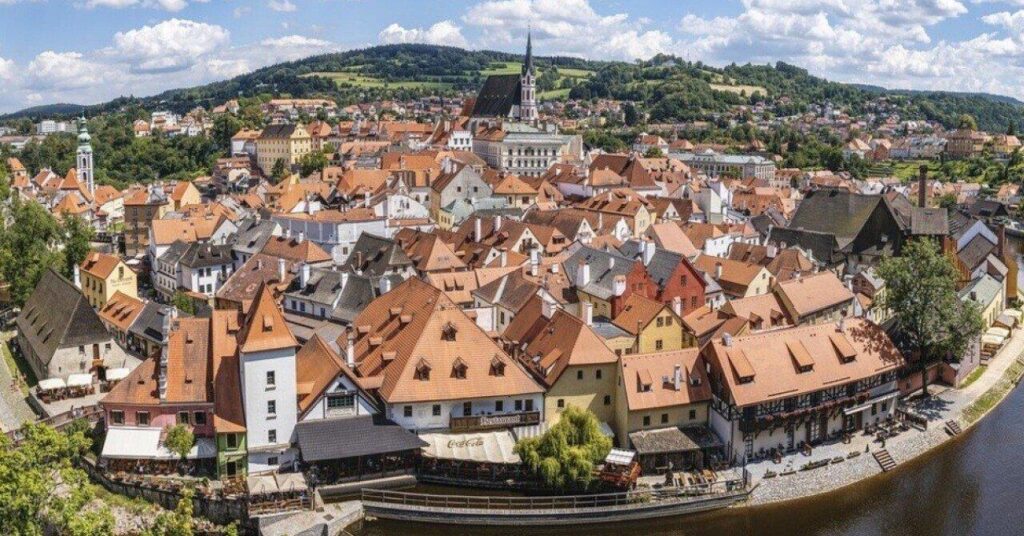
For most people, buying real estate means purchasing a home, an office building, or perhaps a parcel of farmland. But throughout history, some investors, aristocrats, investment bankers, and governments have purchased something far more extraordinary—entire hamlets, villages, and even cities.
From medieval settlements changing hands between noble families to modern investors acquiring abandoned European communities for tourism, the business of buying entire towns has long fascinated historians, financiers, and developers alike. While listings advertising a castle for sale or a chalet for sale often capture headlines, acquiring an entire community is a far more complex financial undertaking involving land rights, infrastructure, historical preservation, and long-term redevelopment.
Medieval Deals Worth Kingdoms
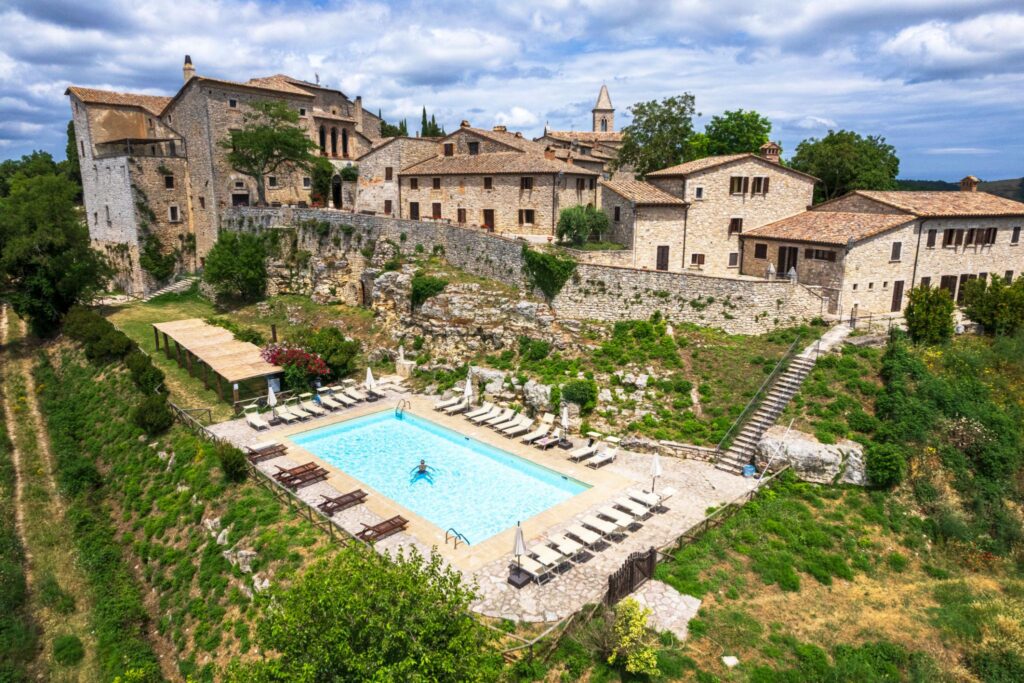
During the Middle Ages, towns were valuable economic assets.
Kings frequently granted entire settlements to nobles as rewards for military service. Wealthy merchant families occasionally purchased communities from struggling landowners, gaining control over farmland, forests, mills, churches, and local taxation.
These transactions often included far more than buildings. Ownership could encompass:
- Agricultural land
- Water rights
- Forests
- Roads
- Market squares
- Bridges
- Grain mills
- Defensive walls
- Livestock grazing rights
In many cases, ownership also carried responsibility for maintaining roads, providing security, and collecting taxes.
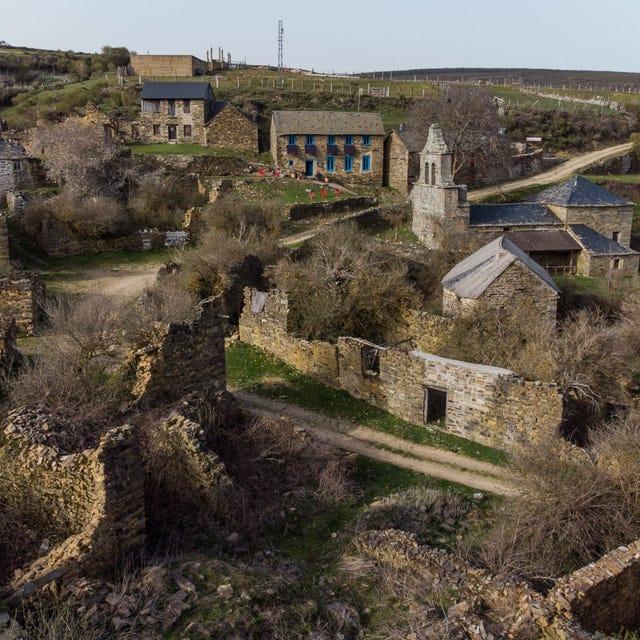
Unlike modern municipal governments, many medieval towns functioned almost like privately managed enterprises.
Company Towns in America
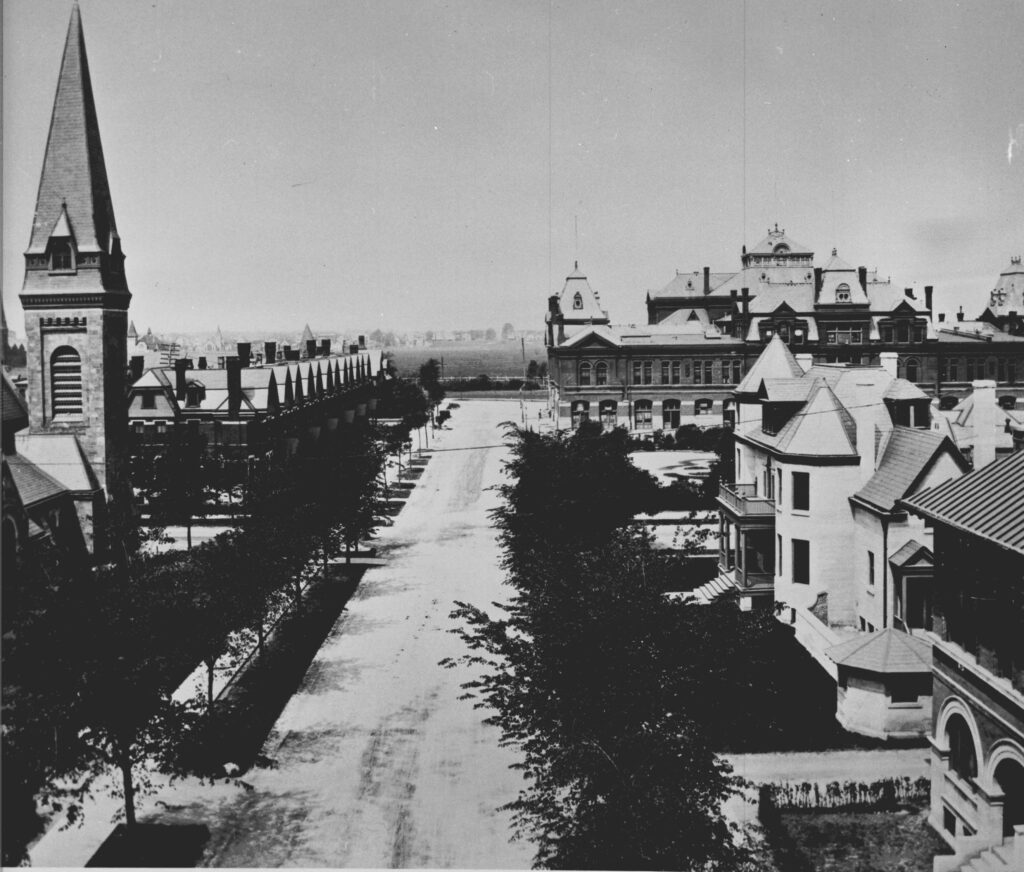
The United States also developed its own version of privately owned communities.
During the late nineteenth and early twentieth centuries, mining companies, timber firms, electromechanical companies and railroad corporations established entire towns to house employees.
Companies constructed homes, schools, hospitals, churches, stores, and recreational facilities.
Notable examples included Pullman, Illinois, and numerous coal communities throughout Appalachia.
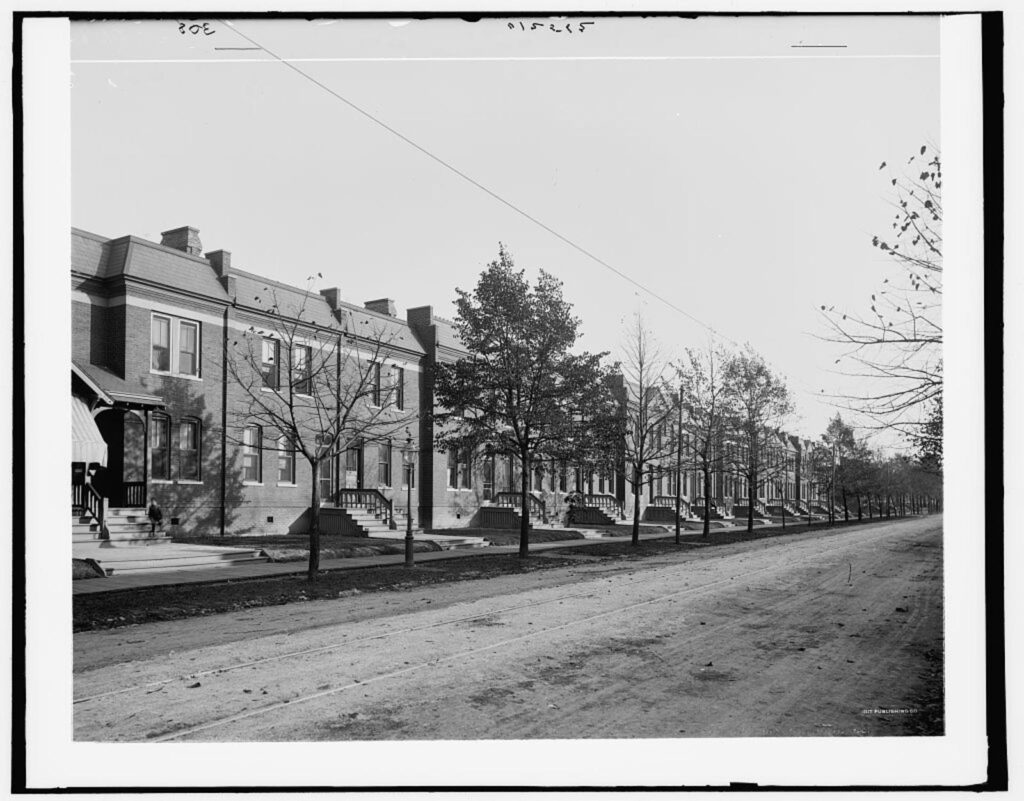
Although workers rented rather than owned their homes, these company towns represented enormous investments that often-totaled millions of dollars in today’s currency.
Europe’s Modern Village Market
Perhaps nowhere has the idea of purchasing an entire village attracted more attention than in Italy.
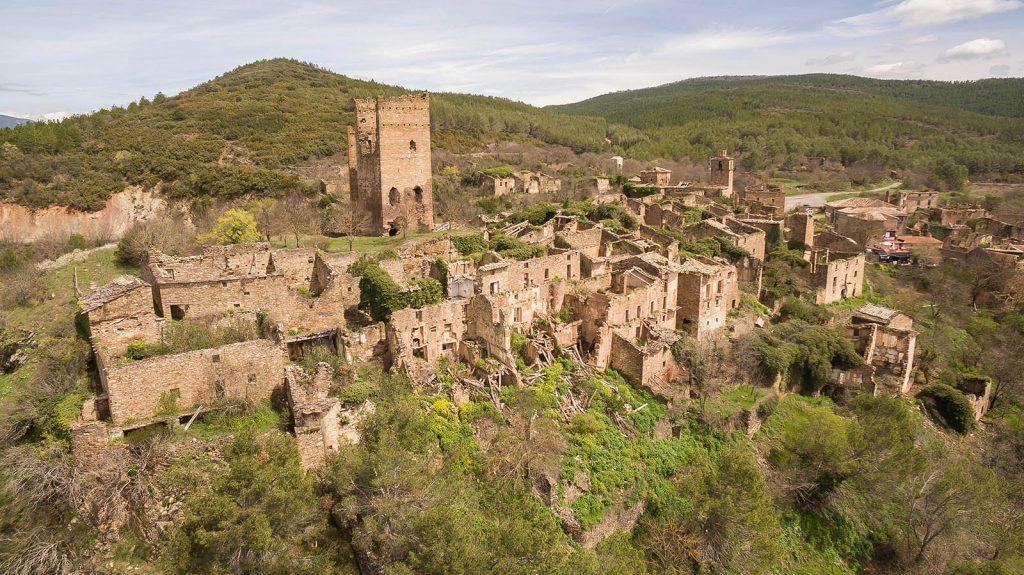
Over recent decades, thousands of rural communities have suffered from depopulation as younger residents relocated to larger cities for employment. Municipalities and private owners have increasingly explored selling abandoned hamlets to developers willing to restore them. (National Geographic)
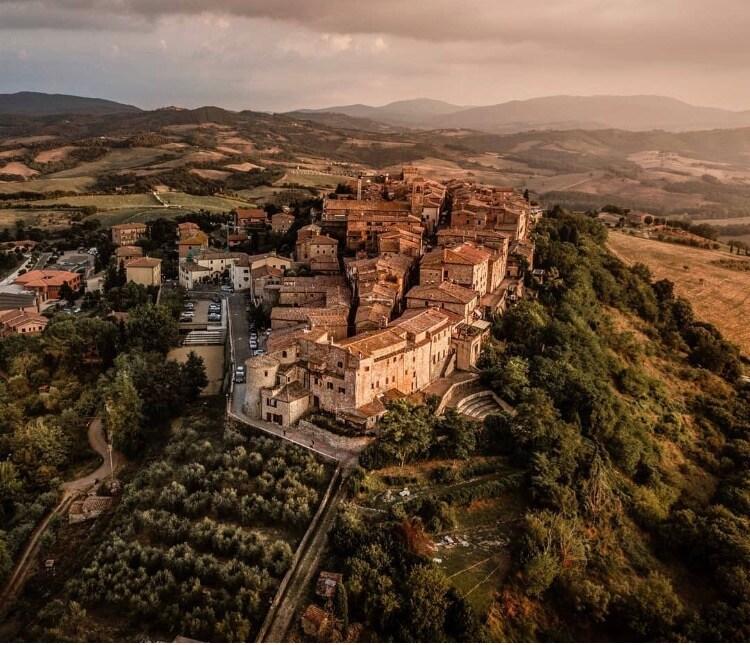
Some historic settlements have been offered as complete packages including dozens of stone homes, barns, chapels, public squares, and surrounding farmland.
The goal is rarely simple resale.
Instead, investors frequently transform these forgotten villages into:
- Boutique hotels
- Wine resorts
- Wellness retreats
- Conference centers
- Luxury vacation rentals
- Artist communities
These projects often generate significant local employment while preserving historic architecture.
Pratariccia: An Entire Hamlet on eBay
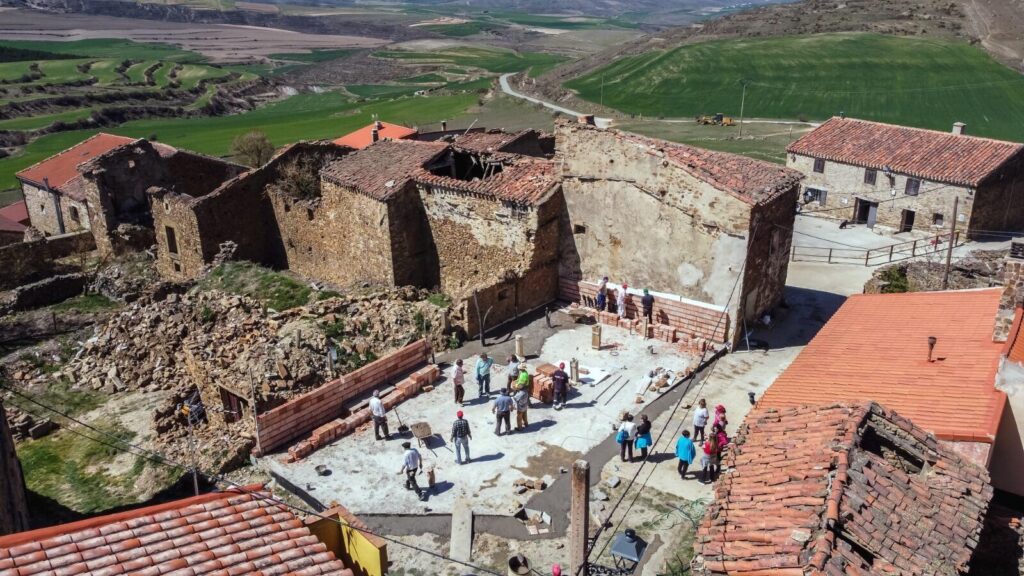
One of the most widely publicized examples occurred in 2012, when the medieval Tuscan hamlet of Pratariccia was listed on eBay with an asking price of approximately €2.5 million.
Located roughly 25 miles from Florence, the abandoned community included numerous stone buildings requiring complete restoration. (The Irish Times)
Although restoring such a property would require several million additional euros, developers viewed the location as an opportunity for tourism and hospitality.
The listing demonstrated that unusual real estate could attract worldwide attention.
The €1 House Movement
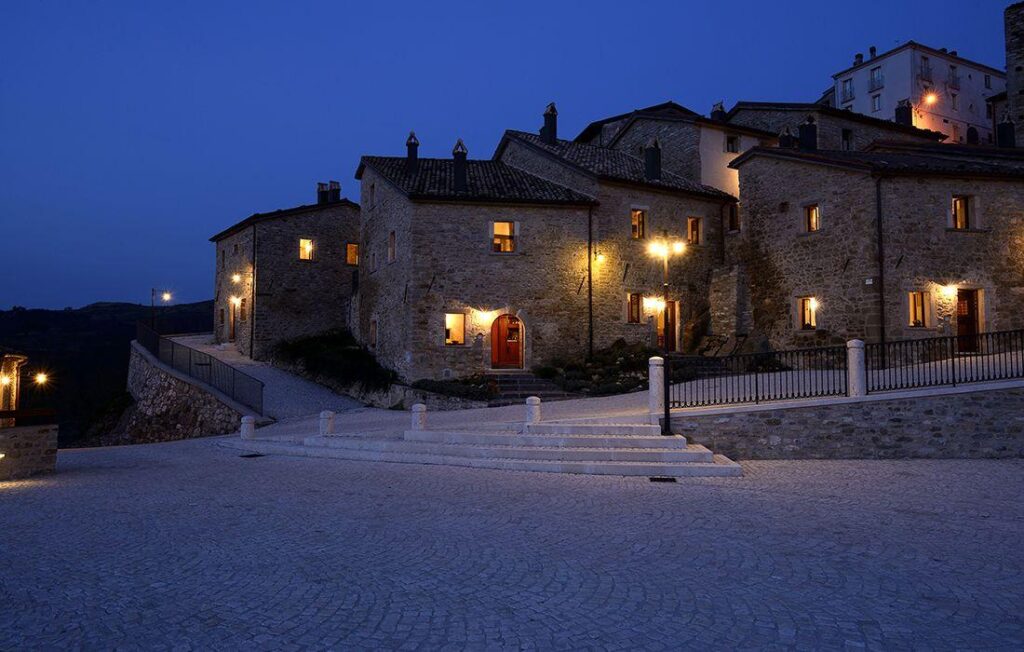
Rather than selling entire villages outright, numerous Italian municipalities adopted another strategy.
Beginning with towns such as Sambuca and later spreading elsewhere, abandoned homes were offered for symbolic prices beginning at €1, provided buyers committed to renovating the properties within a specified time frame. Buyers were also required to meet restoration obligations, and renovation costs often far exceeded the purchase price. (The Guardian)
The initiative generated millions of euros in renovation spending while encouraging tourism and helping stabilize declining communities.
When Publicity Became the Product
Not every announcement of a hamlet for sale proved genuine.
In 2019, the Italian village of Esino Lario announced that its symbolic landmarks—including its town hall and other public assets—were for sale. The campaign generated widespread international media attention before organizers revealed it was a publicity effort designed to highlight the economic challenges facing small villages rather than an actual real estate sale. (The Guardian)
The episode illustrated how the very idea of selling an entire community had become powerful enough to attract global headlines.
Financing the Impossible
Purchasing an entire settlement requires expertise well beyond a traditional real estate closing.
Transactions often involve:
- Multiple property owners
- Historic preservation restrictions
- Environmental studies
- Utility infrastructure
- Road maintenance
- Water and sewer systems
- Heritage regulations
- Tourism feasibility studies
Large acquisitions frequently require attorneys, architects, surveyors, restoration specialists, and investment bankers to evaluate financing options, redevelopment plans, and long-term return on investment.
For institutional investors, the appeal lies not merely in the buildings themselves but in creating sustainable destinations capable of generating hospitality, retail, and tourism revenue.
What Does a Village Cost?
The answer varies dramatically.
Some abandoned communities have sold for less than a suburban shopping center, while others command several million dollars because of their historic architecture, scenic setting, or redevelopment potential.
The purchase price often represents only a fraction of the total investment.
Repair and service of often times antiquated electrical mechanical equipment and systems
Renovating centuries-old stone structures may require replacing roofs, utilities, plumbing, electrical systems, and roadways before welcoming visitors.
Why Investors Keep Looking
Historic villages possess something modern developments cannot easily reproduce—authentic character.
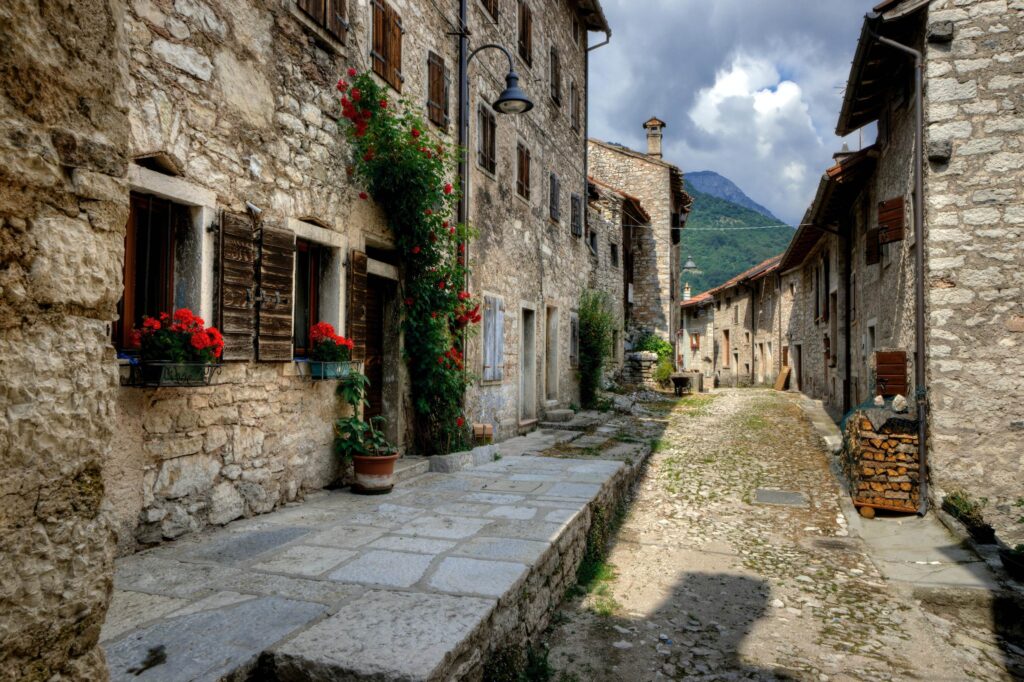
Cobblestone streets, medieval churches, centuries-old farmhouses, and mountain views create destinations that appeal to travelers seeking unique experiences.
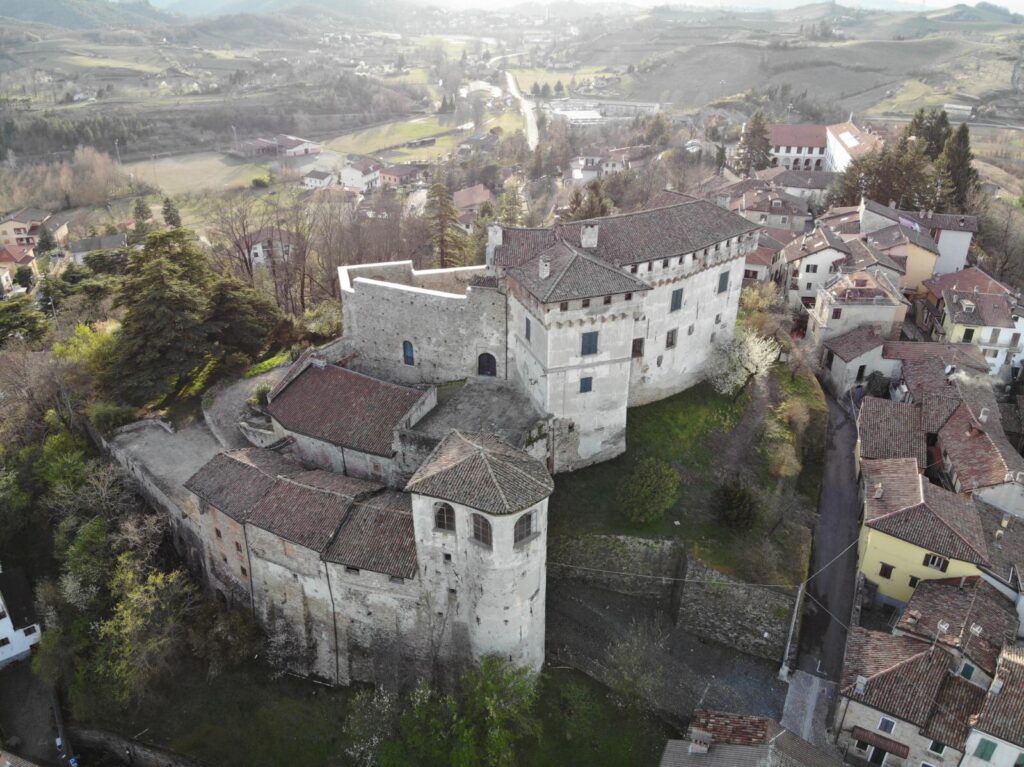
As tourism increasingly favors authenticity over mass development, restored villages have become valuable hospitality assets.
Many visitors combine stays in these communities with regional wine tours, culinary experiences, hiking, and cheap travel deals, helping support local economies while preserving architectural heritage.
A Marketplace Unlike Any Other
Although stories occasionally surface about a city for sale, outright sales of incorporated municipalities remain extraordinarily rare because modern cities are governed by public law rather than private ownership. More commonly, large-scale transactions involve privately owned villages, company towns, or abandoned settlements assembled under single ownership before redevelopment.
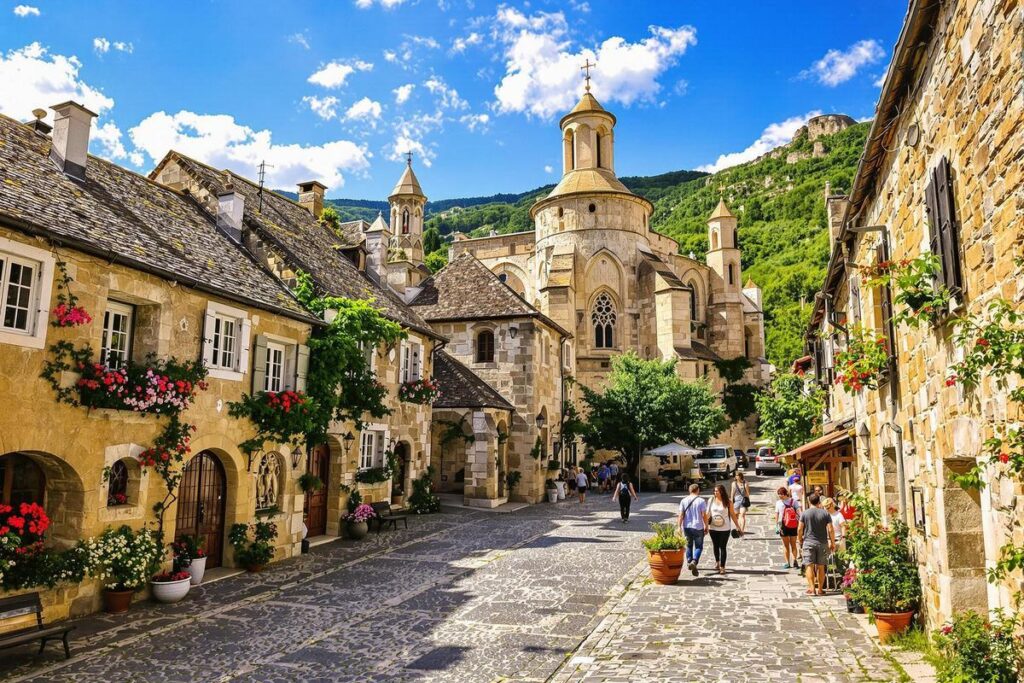
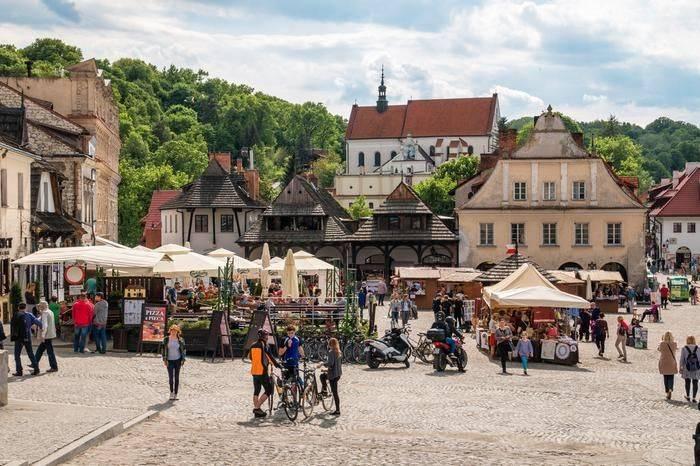
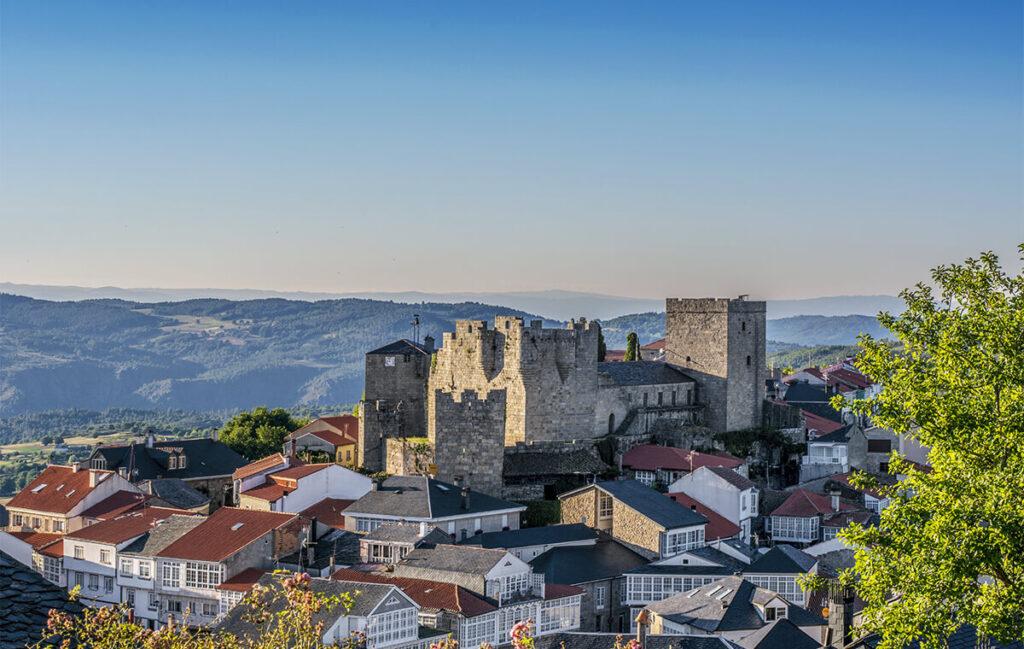
The business of buying entire communities occupies a fascinating intersection of finance, history, architecture, and preservation. Whether the goal is creating a luxury resort, preserving a cultural landmark, or breathing new life into a forgotten corner of the countryside, these remarkable transactions remind us that real estate can be much more than bricks and mortar. Sometimes, the biggest investment isn’t a single building—it’s an entire community and the promise of writing its next chapter.