By Gracus Bloom | City-Paper News
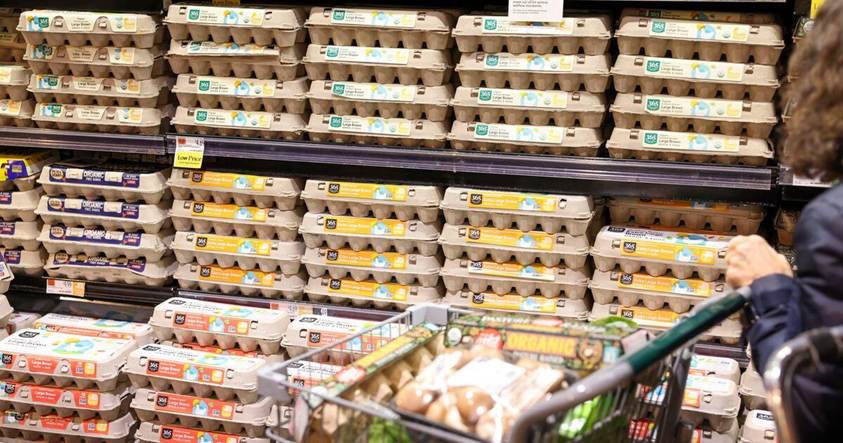
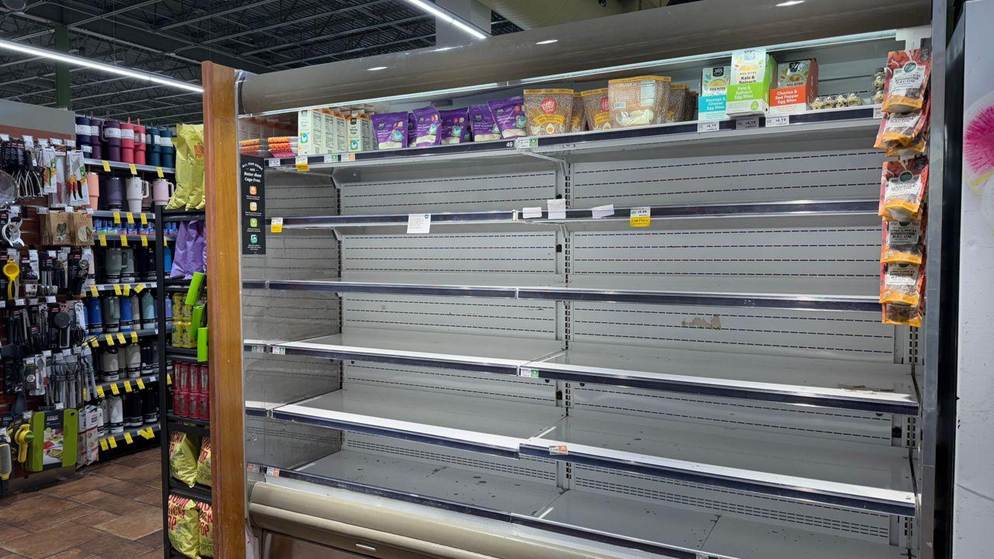
The egg shortage that gripped much of the United States became one of the most visible food supply stories in recent years. Empty grocery shelves, purchase limits, restaurant surcharges, and record-high prices affected consumers nationwide. While supplies have improved compared with the height of the crisis, the market remains vulnerable to new outbreaks of disease and other disruptions. (fb.org)
What Happened?
The primary driver of the shortage was Highly Pathogenic Avian Influenza (HPAI), commonly called bird flu. Since the nationwide outbreak began in 2022, millions of egg-laying hens have been lost as infected flocks were euthanized to slow the spread of the virus. Because egg-laying hens require months to mature before they begin producing eggs, replacing lost flocks cannot happen overnight. (cidrap.umn.edu)
The reduction in the number of laying hens sharply decreased egg supplies while consumer demand remained relatively steady, creating a classic supply-and-demand imbalance.
Who Was Affected?
Nearly everyone who buys eggs felt the impact.
Among those most affected were:
- Consumers paying significantly higher grocery prices.
- Restaurants and bakeries that rely on eggs as a major ingredient.
- Food manufacturers producing baked goods, sauces, pasta, and breakfast products.
- Poultry farmers forced to depopulate infected flocks.
- Grocery retailers managing shortages and customer purchase limits. (Reuters)
Where Were Outbreaks Concentrated?
Bird flu outbreaks occurred in numerous poultry-producing states, including major egg-producing regions in:
- Ohio
- Iowa
- Indiana
- California
- Pennsylvania
- Minnesota
Because the U.S. egg industry is highly interconnected, production losses in one region can quickly affect prices and availability nationwide. (cidrap.umn.edu)
When Did Prices Spike?
The market tightened throughout 2024 before reaching especially high retail prices during early 2025 as additional outbreaks reduced the national laying flock. Wholesale prices climbed dramatically as retailers competed for available supplies. (Reuters)
During the height of the shortage:
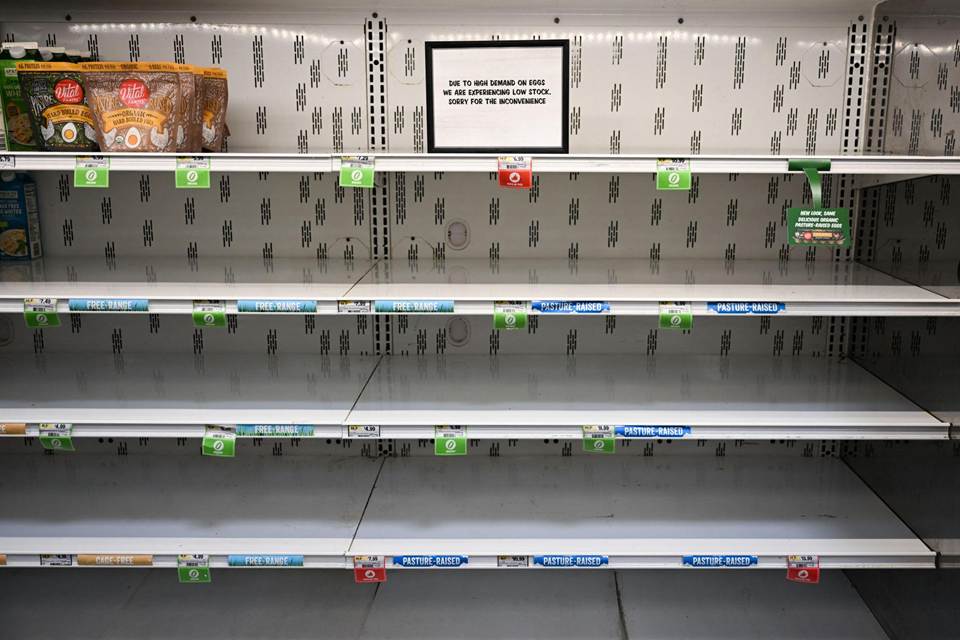
- Some supermarkets limited customers to one or two cartons.
- Restaurants temporarily added egg surcharges.
- Bakeries adjusted prices on products heavily dependent on eggs.
- Schools and institutions experienced increased food costs.
Why Bird Flu Causes Such Major Disruptions
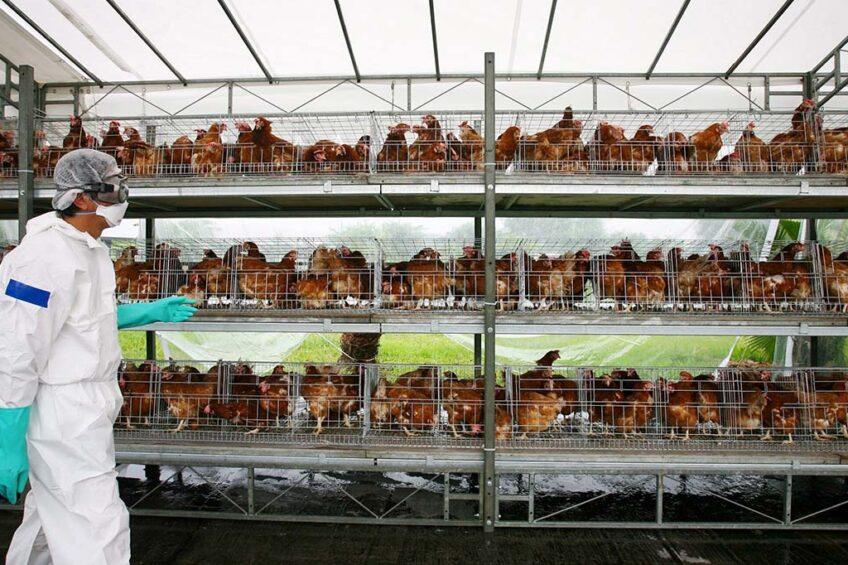
Unlike many livestock diseases, HPAI spreads rapidly among poultry.
When a commercial flock tests positive, federal and state animal-health officials generally require the flock to be depopulated to reduce the risk of further spread. While this helps protect the broader poultry industry, it also removes millions of egg-laying birds from production. Rebuilding those flocks takes considerable time, meaning supply recovery lags behind the initial outbreak. (cidrap.umn.edu)
What Has the Government Done?
The U.S. Department of Agriculture (USDA) announced a broad response that included:
- Expanded farm biosecurity measures.
- Financial assistance to affected poultry producers.
- Faster repopulation of commercial flocks.
- Increased investment in avian influenza research.
- Efforts to stabilize egg supplies and moderate prices.
The USDA also committed up to $1 billion toward combating avian influenza, strengthening prevention efforts, and helping lower egg prices. (USDA)
Useful government resources include:
How the Poultry Industry Responded
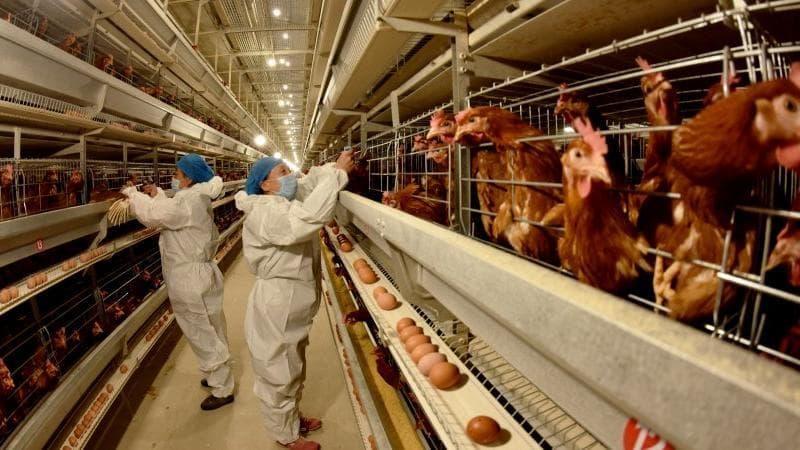
Egg producers significantly increased biosecurity practices.
Many farms adopted stricter procedures such as:
- Enhanced vehicle disinfection.
- Controlled employee access.
- Wildlife monitoring.
- Improved sanitation.
- Faster disease surveillance.
- Additional protective clothing requirements for workers.
Industry organizations also worked with federal and state agencies to improve disease detection and reduce future risks. (USDA)
Industry information is available from:
Have Prices Improved?
Yes—but the recovery has been uneven.
As farms rebuilt their laying flocks and fewer outbreaks occurred, wholesale egg prices dropped substantially from their record highs. Retail prices have also eased in many markets, though they remain susceptible to seasonal demand and any renewed bird flu outbreaks. Industry analysts note that rebuilding supplies has improved market stability, but the sector remains vulnerable because new HPAI cases can quickly reduce production again. (fb.org)
A New Factor: Antitrust Scrutiny
Beyond disease, the egg market has recently drawn legal scrutiny. In 2026, the U.S. Department of Justice and multiple state attorneys general announced a proposed settlement with several major egg producers over allegations that they coordinated certain wholesale bidding practices during the period of elevated prices. The companies deny wrongdoing, and the proposed settlement still requires court approval. The case is separate from the documented effects of bird flu, which unquestionably reduced egg supplies. (Financial Times)
What Consumers Can Expect
Food economists generally expect the egg market to remain more stable than it was during the peak of the crisis, provided there are no major new outbreaks of avian influenza. Even so, egg prices are likely to remain more volatile than many other grocery staples because egg production depends on healthy laying flocks that take months to rebuild after losses. (fb.org)
The Bottom Line
The recent egg shortage was driven primarily by widespread outbreaks of Highly Pathogenic Avian Influenza, which reduced the nation’s supply of egg-laying hens and sent prices sharply higher. Federal agencies, poultry producers, veterinarians, and researchers have responded with expanded biosecurity measures, financial assistance, and investments in disease control to reduce the risk of future disruptions. Although supplies have recovered considerably from the height of the shortage, experts caution that continued vigilance is necessary because HPAI remains present in wild bird populations and can still threaten commercial poultry flocks. (USDA)