City-Paper.com | By Gracus Bloom
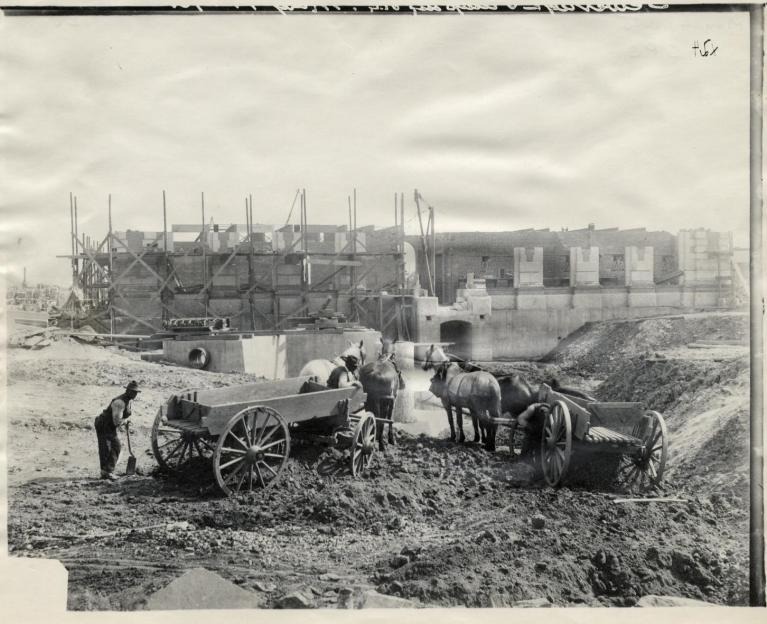
WASHINGTON, D.C. — Beneath the pavement of the nation’s capital lies a network of tunnels older than most of its monuments. This week, that hidden world surfaced abruptly when a major water sewage main ruptured near Washington, D.C., forcing road closures, emergency repairs, and renewed scrutiny of infrastructure first laid more than a century ago.
The break occurred in a heavily traveled corridor just outside the downtown core. Commuters woke to detours, utility crews, and the unmistakable scent of wastewater. By midmorning, heavy machinery had carved into the asphalt, exposing a thick, aging pipe that once represented the cutting edge of urban engineering.
Officials moved quickly to contain the overflow and reroute sewage through auxiliary lines. Environmental monitors were dispatched to test nearby waterways, and traffic control points stretched for blocks around the excavation site.
But as crews worked to stabilize the present, historians and engineers alike were reminded of the past.
A System Born of Necessity
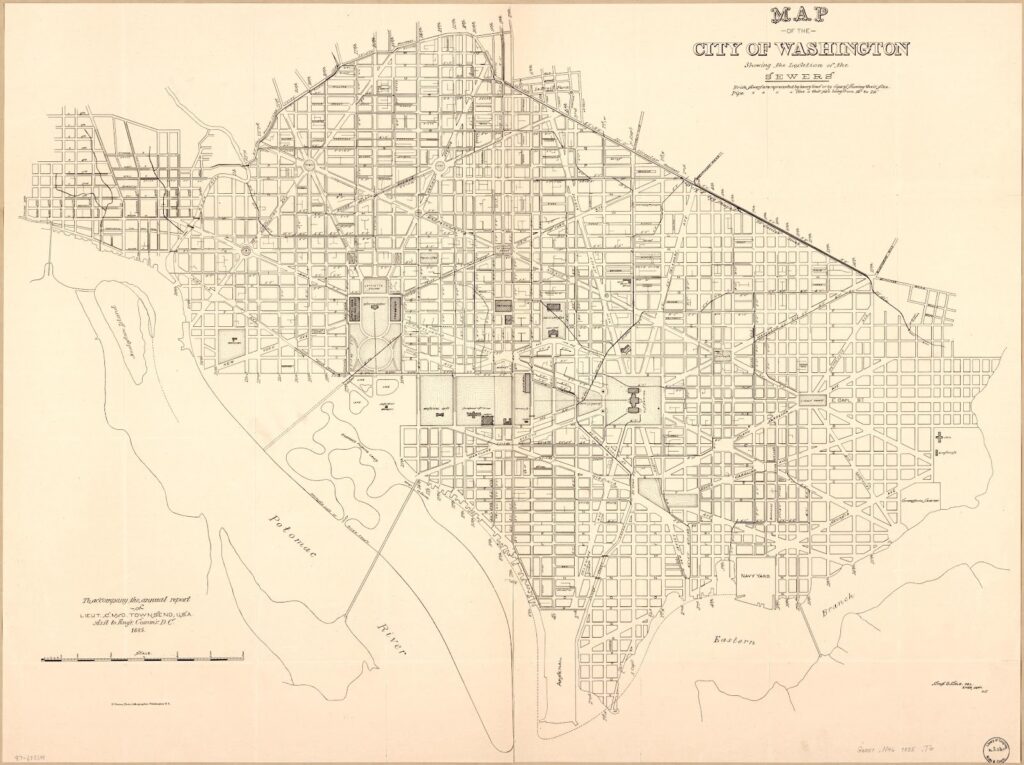
In the late 19th century, Washington was far different from the orderly capital we know today. Large portions of the city were being developed and prone to flooding. Open canals carried industrial waste, and disease outbreaks—including cholera and typhoid—posed persistent threats.
City planners responded with ambition. Beginning in the 1870s, engineers designed an expansive sewer network that would carry waste away from dense neighborhoods and into controlled outfalls along the Potomac River. The project was monumental for its time.
Brick-lined tunnels were hand-laid in carefully arched formations to distribute pressure evenly. Workers constructed massive conduits tall enough for a man to stand upright inside. Cast iron sections were fabricated to precise tolerances—a task that demanded craftsmanship akin to that of a good manual machinist, ensuring joints aligned perfectly before being sealed and lowered underground.
By the early 1900s, vitrified clay pipes were introduced for their resistance to corrosion, another innovation considered advanced for its era. These materials, combined with gravity-fed design principles, formed a system that dramatically improved sanitation and public health.
Cutting-Edge Techniques of Their Time
What makes this week’s rupture particularly notable is the age of the pipe involved. Records suggest the failed section dates back to the early 1900s, part of a wave of expansion as Washington’s population surged.
At the time, engineers employed several forward-thinking techniques:
- Hydraulic cement mortar to seal brick arches, improving water resistance.
- Bell-and-spigot pipe joints, which allowed for slight ground movement without catastrophic cracking.
- Gravity-gradient mapping, using precise surveying tools to ensure wastewater flowed naturally without pumps.
- Man-entry maintenance tunnels, enabling inspection long before remote cameras existed.
For its day, the system was revolutionary. It transformed a city struggling with sanitation into one capable of supporting rapid urban growth.
The Toll of Time
Despite its ingenuity, no infrastructure is immune to age. Over decades, soil movement, tree root intrusion, corrosion, and increased load from modern development have strained the old lines. Above ground, the shift from horse-drawn carriages to heavy trucks added weight the original designers never anticipated.
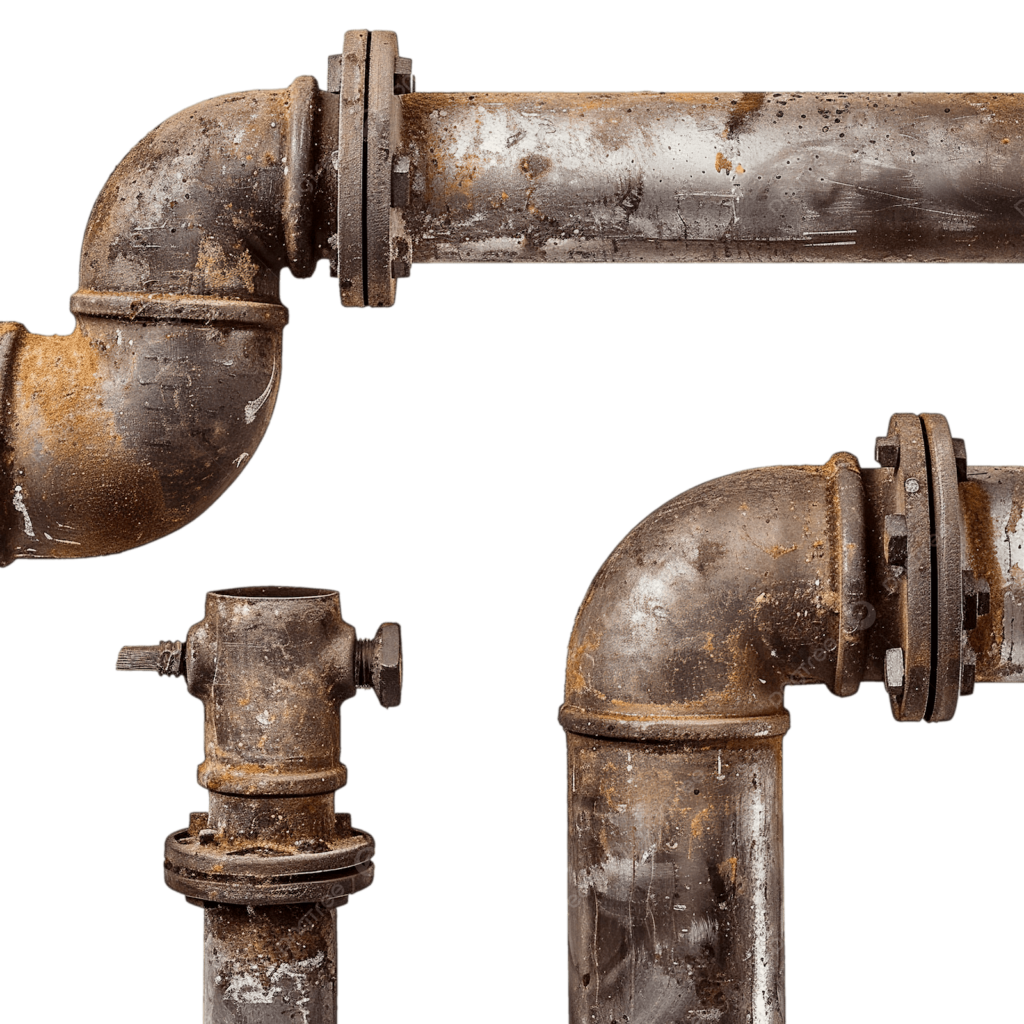
Preliminary assessments indicate that internal corrosion weakened the pipe wall before external pressure caused it to fracture. Crews on site this week have removed compromised sections and are preparing to install reinforced, corrosion-resistant piping designed to meet 21st-century standards.
Utility officials say service rerouting has minimized disruption to residents, though traffic impacts may persist for several days.
A Broader Infrastructure Reckoning
The incident near Washington underscores a nationwide issue. Many American cities rely on sewer systems installed between 1880 and 1920. While upgrades have been phased in over time, significant segments of original piping remain active.
In Washington, modernization efforts have included large-scale tunnel projects and stormwater management systems. Yet replacing miles of underground pipe is costly and logistically complex, requiring excavation beneath busy streets and coordination with other buried utilities.
“This break is a reminder that the invisible systems are often the most essential,” one civil engineer said at the scene. “We benefit daily from infrastructure built generations ago.”
Moving Forward
As excavators continue their careful work and replacement sections are lowered into place, the scene offers a vivid contrast: modern machinery operating where bricklayers once labored by lantern light.
City officials emphasize that public safety remains the priority. Water quality testing is ongoing, and no widespread contamination has been reported. Once repairs are complete, the street will be repaved and traffic restored.
Still, the rupture leaves behind more than a patched pipe. It exposes a story layered beneath the capital’s streets—a testament to historic ingenuity and a challenge to today’s planners.
Washington’s original sewer builders could scarcely have imagined their work enduring into another century. Yet their designs carried the city forward through eras of transformation.
Now, as new materials replace old brick and iron, the cycle continues: innovation answering necessity, just as it did more than 100 years ago.
Reporting for City-Paper.com, Gracus Bloom.