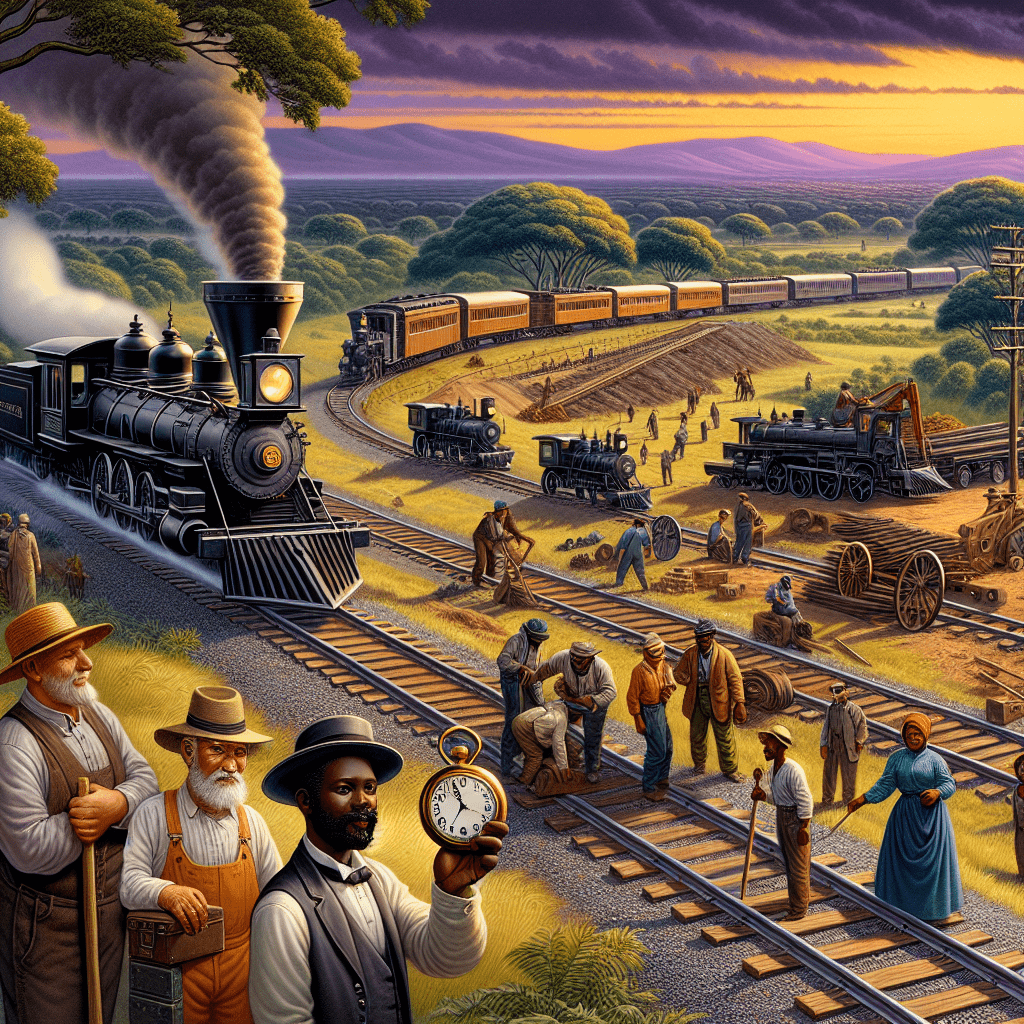
Pittsburgh has always been a city built on movement — movement of steel, ideas, workers, and innovation. Long before the modern light-rail and busway networks shaped the Steel City’s commute, early electric trams and streetcars carved the first real public-transportation arteries into the landscape. The transportation system supported Pittsburgh’s booming industries and eventually gave way to modernization.
Today’s traveler might roam the city by rideshare or light-rail, but more than a century ago, Pittsburgh’s daily rhythms were set by the hum, clatter, and sparks of early streetcars winding through smoky industrial neighborhoods.
Sit back and relax as we guide you through Pittsburgh’s earliest tram routes, the manufacturers who built them, the materials used, the timetables that shaped workers’ lives, and the surprising reason it was often hard to find a good manual machinist during that era.
From Horse-Cars to Electric Sparks: A Traveler’s Window Into 1900 Pittsburgh
By the late 1800s, Pittsburgh had evolved from a frontier fort into a powerhouse of iron, glass, aluminum, coal, and steelwork. With factories lighting the skyline and tens of thousands of workers moving through dense neighborhoods each morning, the city needed a transportation upgrade.
The Transition Era
- 1860s – Horse-drawn streetcars
- 1888 onward – First electric trams introduced
- 1890s–1920s – Full electrification and expansion
Imagine stepping into East Liberty or Allegheny City around 1900. Overhead wires crackled. Steel rails gleamed. Conductors announced:
“Next stop, Smithfield Street Bridge—Transfer for South Side passengers!”
The energy was different — a mix of coal smoke, mill whistles, and the busy chatter of tradesmen and factory workers.
Who Built Pittsburgh’s First Electric Trams?
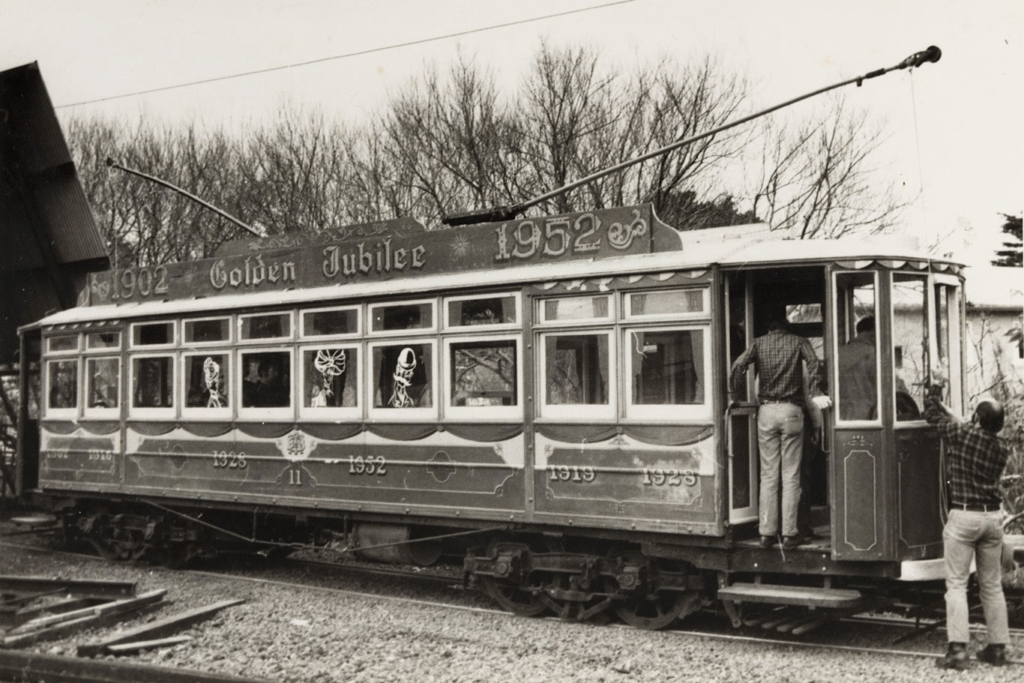
Several major U.S. manufacturers contributed to Pittsburgh’s early electric fleet. Though some companies shut down long ago, their engineering footprints remain in museums, archives, and restored streetcars.
1. J. G. Brill Company (Philadelphia)
- America’s largest streetcar builder
- Manufactured wood-and-steel hybrid streetcars for Pittsburgh
- Famous for lightweight motor trucks and steel underframes
2. Westinghouse Electric (Pittsburgh)
- Provided electrical components: motors, controllers, lighting
- George Westinghouse’s patented systems made the city’s trams reliable and safe
3. Pressed Steel Car Company (McKees Rocks)
- One of Pittsburgh’s industrial giants
- Built steel car bodies using techniques borrowed from railcar manufacturing
Materials Used in Pittsburgh’s Early Trams
- White oak & ash for car frames and interiors
- Riveted steel bodies for durability
- Copper wiring for traction motors
- Cast-iron components made in local foundries
- Leather & canvas seating materials
The combination of wood and steel gave early Pittsburgh trams their signature look — sturdy but warm, industrial but human.
Historic Routes a Traveler Would Have Taken in 1905
If you were a visitor (or a new factory worker) in 1905, these were the routes shaping Pittsburgh’s daily movement:
Route A: East Liberty → Downtown
- Served the bustling commercial core
- Connected department stores, markets, and offices
- Peak hours: 5:00–7:00 a.m. & 4:00–6:00 p.m.
Route B: South Side → Smithfield Street
- Workers heading to steel mills and riverfront factories
- Famous for its crowded morning runs
Route C: Oakland → Downtown Cultural Loop
- Passed by what is now Carnegie Museum of Natural History (still in use today!)
- Popular with students and visitors
- Provided quick access to Schenley Park
Route D: Allegheny City → North Shore
- Connected markets, breweries, glassworks, and residential blocks
- Important for trade and goods delivery
A Glance at an Old-Style Travel Brochure (Re-Created)

This is a text-only replica written in the style of early 1900s brochures.
1903 Pittsburgh Electric Street Railway Travel Brochure (Replica)
“Explore Pittsburgh — The Workshop of the World — By Electric Car!”
Safe • Comfortable • Always on Time
Daily Timetables
- First Car Leaves East Liberty Car Barn: 4:45 a.m.
- Last Downtown Departure: 12:10 midnight
- Cars run every 8 minutes during peak hours
Popular Points of Interest:
- Carnegie Institute & Library
- Schenley Hotel (Now the William Pitt Union)
- Smithfield Street Markets
- The Great Steel Mills of the Monongahela
Fare:
- 5 cents per ride
- Transfers free
“Ride the Electric Way — Faster Than Walking, Cheaper Than Hiring a Carriage!”
Why It Was Hard to Find a Good Manual Machinist
During Pittsburgh’s streetcar expansion, the industrial demand for skilled labor was sky-high. Steel mills, glass plants, aluminum factories, and railcar shops were growing faster than the workforce could keep up.
Three Main Reasons for Shortages
- Rapid Industrial Growth
Companies like Carnegie Steel and Westinghouse were hiring experienced machinists, mechanical assemblers and electromechanics by the hundreds. - Long Training Time
A good manual machinist required years of apprenticeship — not easy to replace quickly. - Safety and Precision Demands
Streetcars relied on precision gears, axles, bearings, and brake systems. A minor error could cause serious accidents, so hiring standards were extremely high.
Ironically, this echoes some modern job listings where factories and repair shops advertise no experience mechanical assembler jobs hiring, needing workers who can be trained quickly due to similar skill gaps.
How Pittsburgh’s Early Tram System Supported Industry & Trade
Early transportation wasn’t just about people — it moved ideas, goods, and opportunity.
1. Reducing Transportation Time
Workers could travel from neighborhoods like Oakland, Bloomfield, or the South Side to downtown mills in minutes instead of walking an hour or more.
2. Boosting Local Industries
- Steel mills used trams to move workers
- Glass factories relied on predictable timetables
- Manufacturers around the Mon Valley expanded thanks to reliable employee transport
- Retail stores downtown doubled foot traffic thanks to new riders
3. Raising Efficiency
Streetcars standardized daily schedules and allowed Pittsburgh to grow into a 24-hour economic engine.
Modernization: Where the Tracks Lead Today
By the mid-20th century, buses, automobiles, and eventually light-rail systems replaced the electric streetcars. The old routes evolved into:
- Busways
- Light-rail corridors
- Commuter highways
But the early tram system had permanently changed Pittsburgh’s identity — it transformed a dense industrial basin into a connected metropolis.
Many buildings from the streetcar era still stand, including the Carnegie Museum of Natural History in Oakland — a reminder of a time when trams lined the streets outside its stone façade.
Final Thoughts: A City Still Moving Forward
Pittsburgh’s early tram and streetcar network wasn’t just transportation — it was the engine of industrial growth, community life, and regional trade. These trams helped shape neighborhoods, supported booming industries, and gave workers reliable ways to navigate a rapidly expanding city.
Modern travelers roaming Pittsburgh today can still walk the same streets where sparks once flew from electric trolley wires. The past is never far — especially when the tracks through time still guide how the city moves.