There’s something unmistakably charming about tin lithography—the glossy finish, bold colors, and nostalgic imagery that seem to hum with the energy of another era. For the seasoned tin litho collector, these pieces are more than décor—they are industrial art, born from precision engineering and mass production ingenuity.
🏭 The Factories Behind the Finish
The golden age of tin lithography (roughly 1890–1950) was powered by industrial giants like Ohio Art Company in Bryan, Ohio and Wolverine Supply & Manufacturing Company in Pittsburgh, Pennsylvania. These factories were marvels of their time—multi-story brick buildings with large steel-framed windows to maximize daylight for detail work.
Inside, production floors were divided into specialized zones:
- Sheet Metal Prep: Tin-plated steel sheets were cut and flattened
- Lithographic Printing: Multi-color presses applied ink in layers
- Stamping & Forming: Heavy presses shaped the metal into trays, toys, and signage
- Assembly & Finishing: Workers riveted parts and polished surfaces
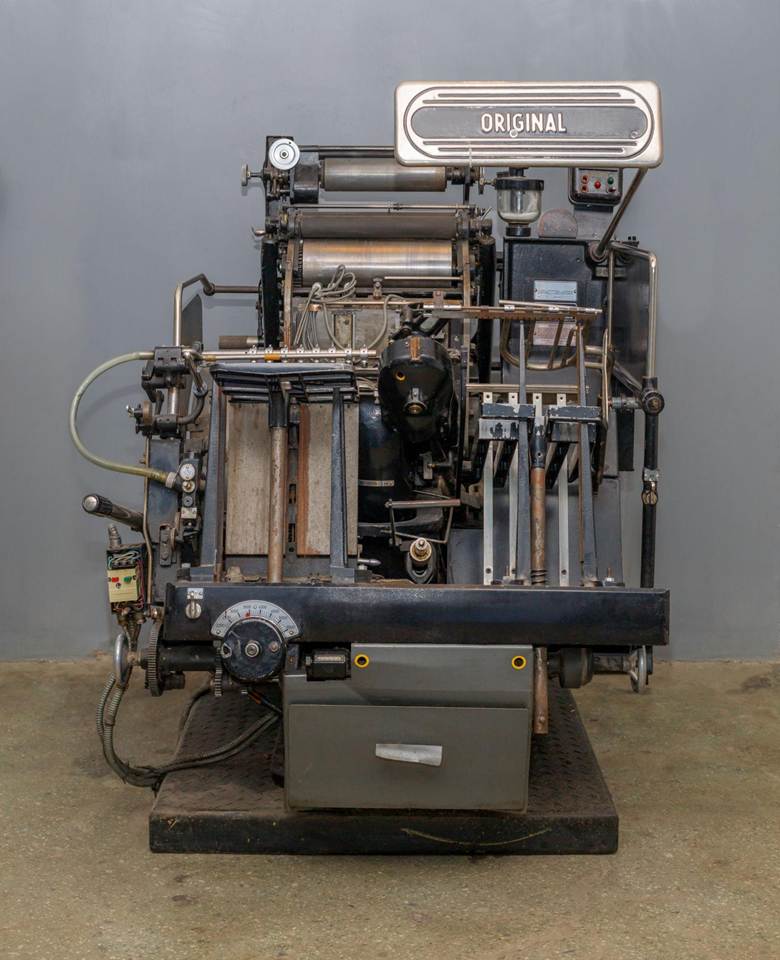
Some facilities could process thousands of sheets per day, feeding high-speed litho presses that required exact alignment tolerances—work suited for a good machinist at reading and interpreting schematics.
🎨 How Tin Lithography Was Made
The process itself was a blend of art and mechanical precision:
- Stone or Plate Preparation – Original artwork transferred onto litho plates
- Color Separation – Each color required its own pass through the press
- Printing on Tin Sheets – Ink applied in sequence, carefully registered
- Baking & Curing – Heat-set inks bonded to the metal surface
- Stamping & Forming – Sheets cut and shaped into final products
📊 Simplified Production Flow
Design → Plate Prep → Multi-Color Printing → Heat Cure → Stamping → Assembly
📐 Press Alignment Schematic (Simplified)
[Ink Roller] → [Litho Plate] → [Tin Sheet Feed] → [Pressure Cylinder]
↘ precise alignment required ↙
Maintaining consistent color registration was notoriously difficult—one reason it’s still hard to find a good polisher capable of restoring these pieces without damaging the delicate printed surface.
🏠 Popular & Rare Tin Litho Items
Collectors prize a wide range of objects:
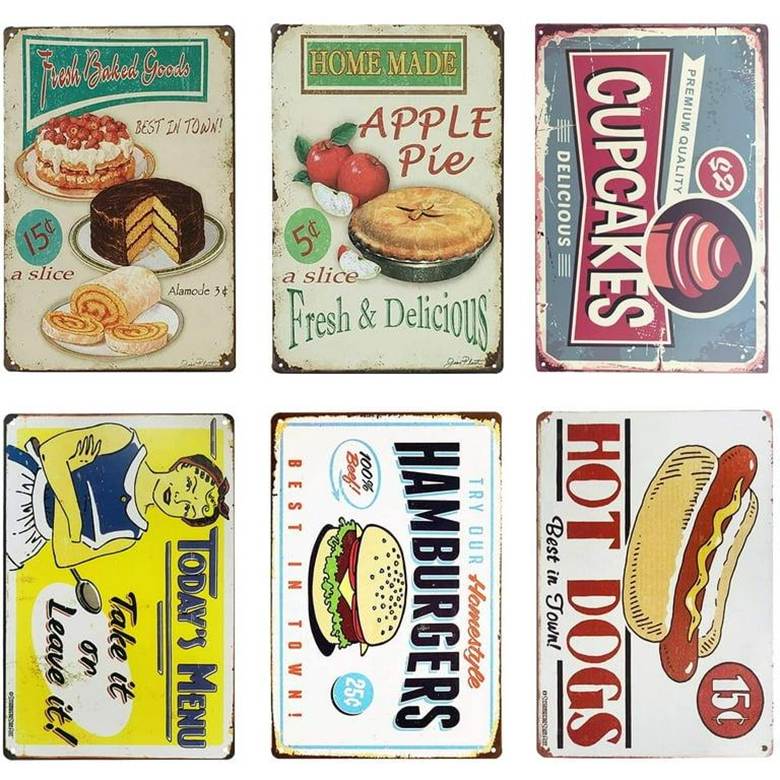
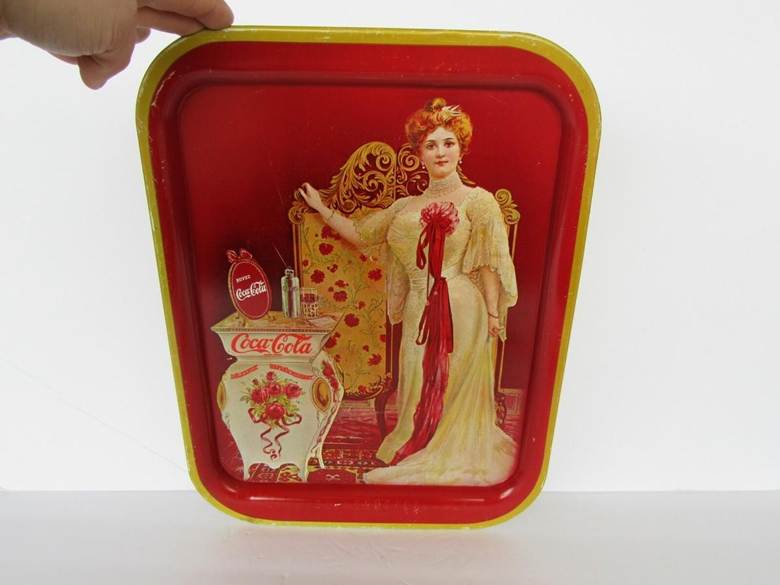
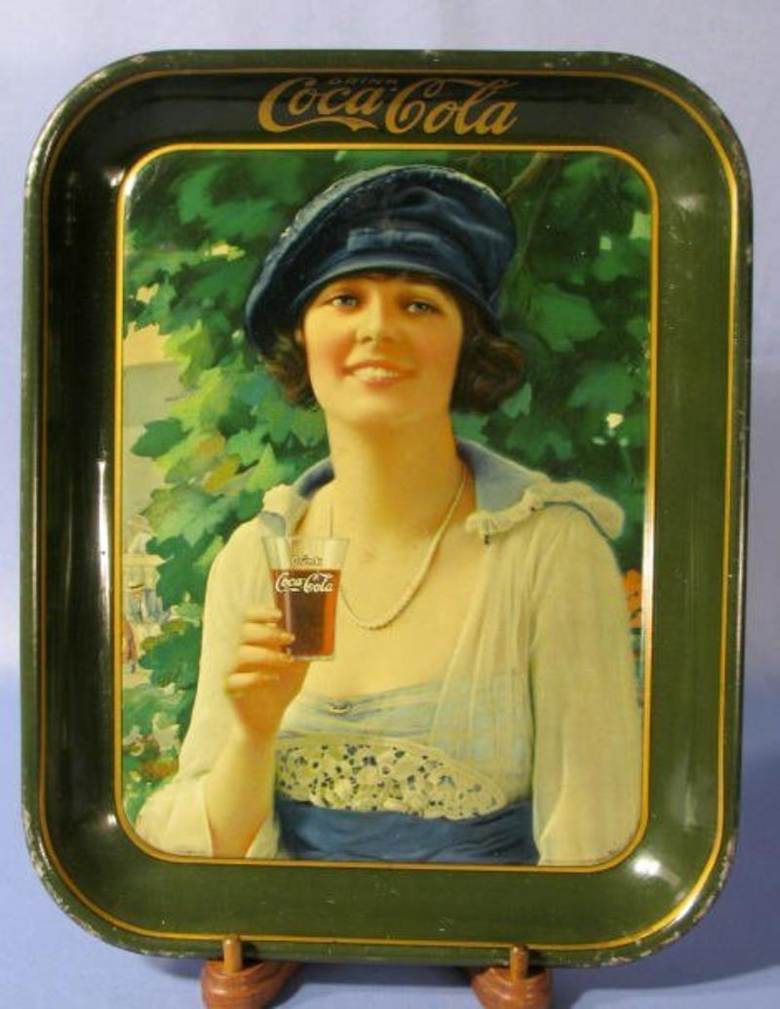
- Advertising Trays – Coca-Cola, tobacco, and food brands
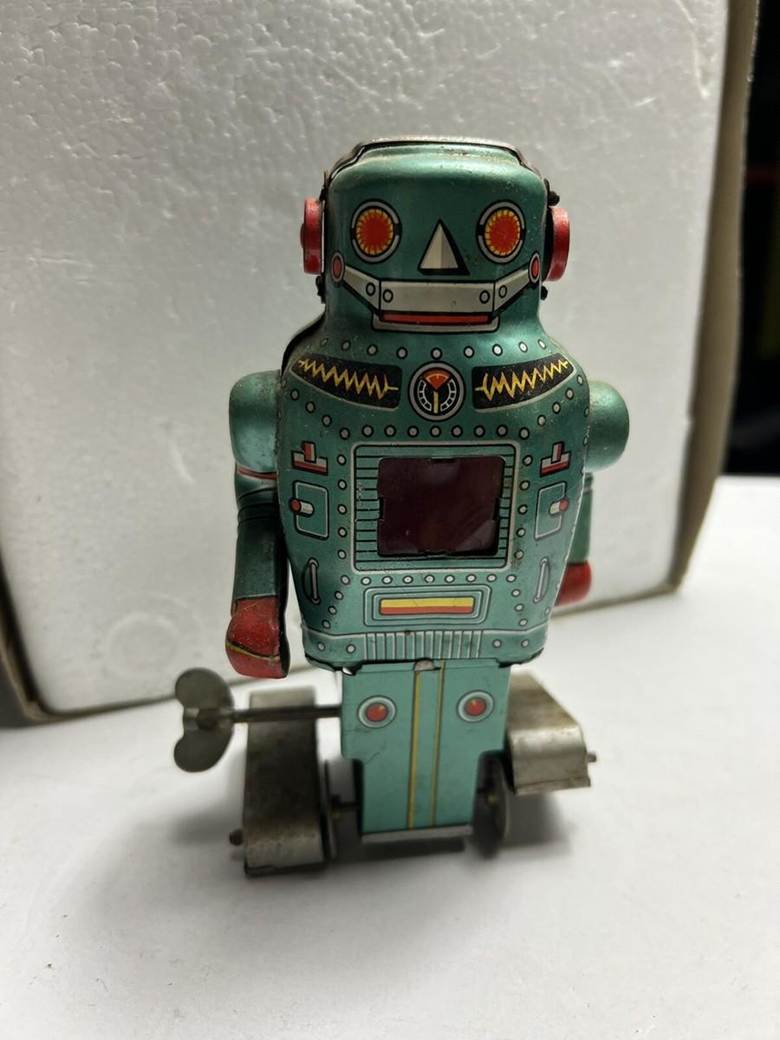
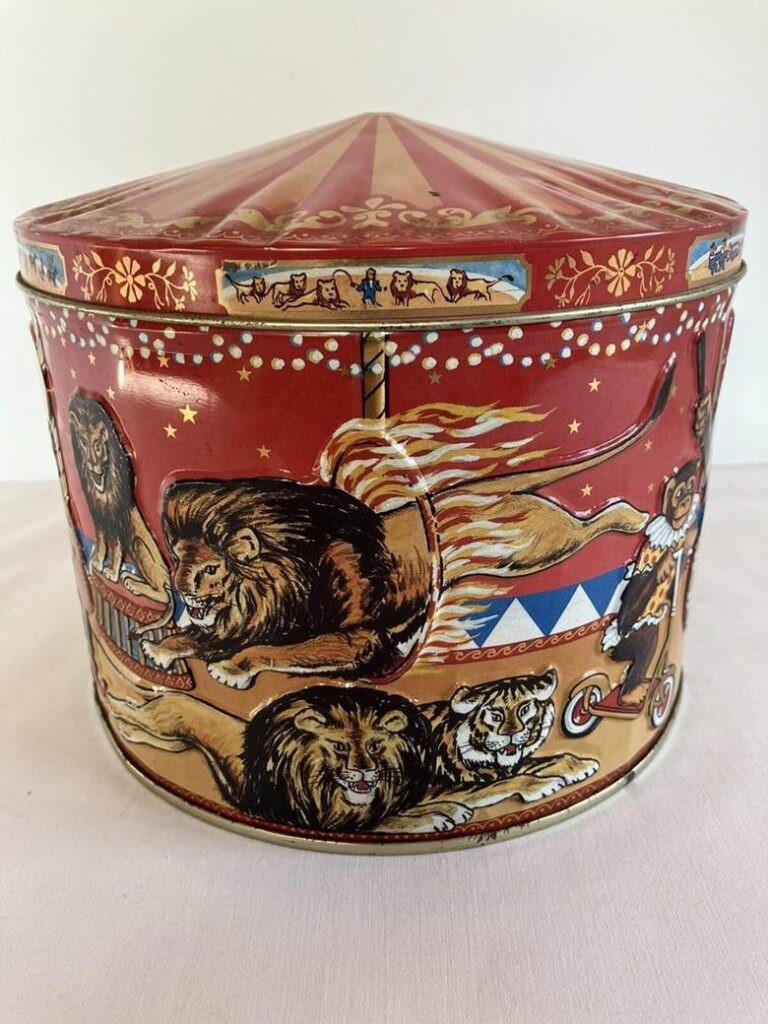
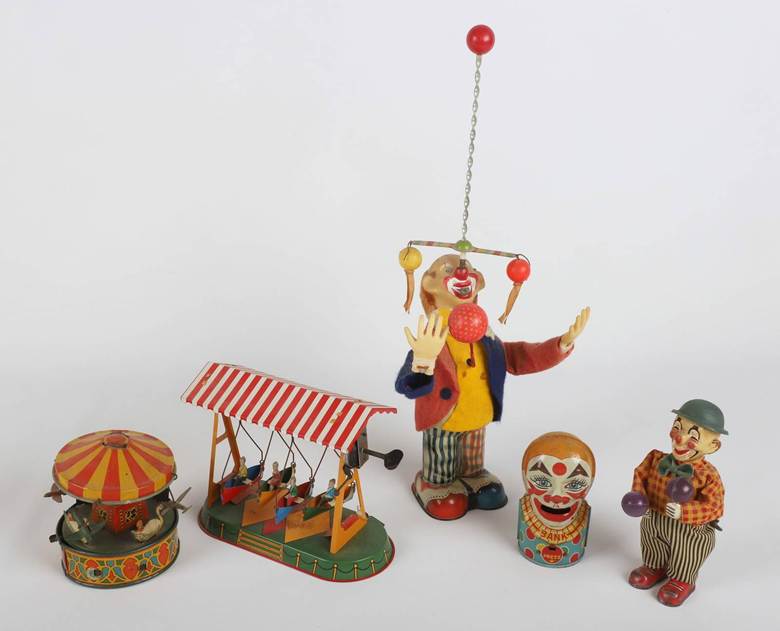
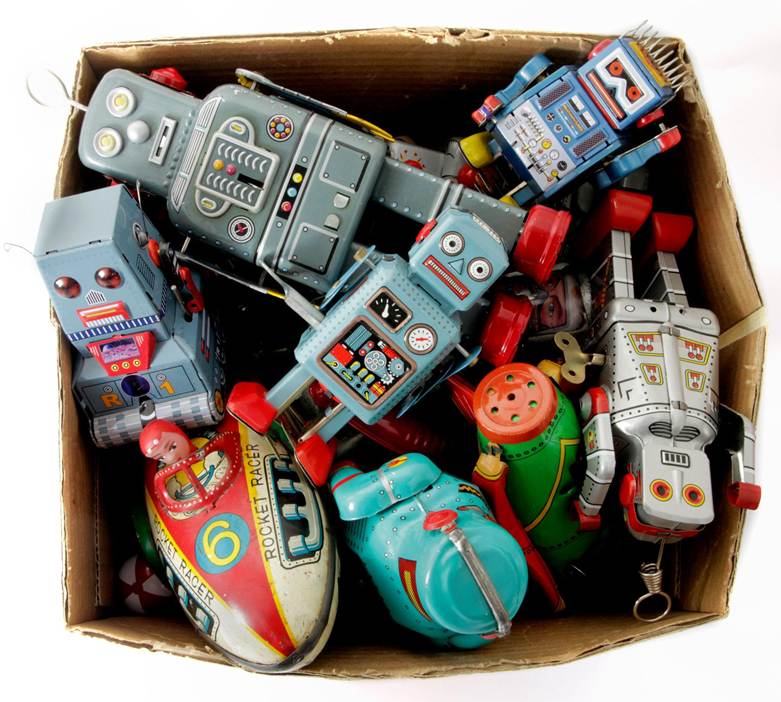
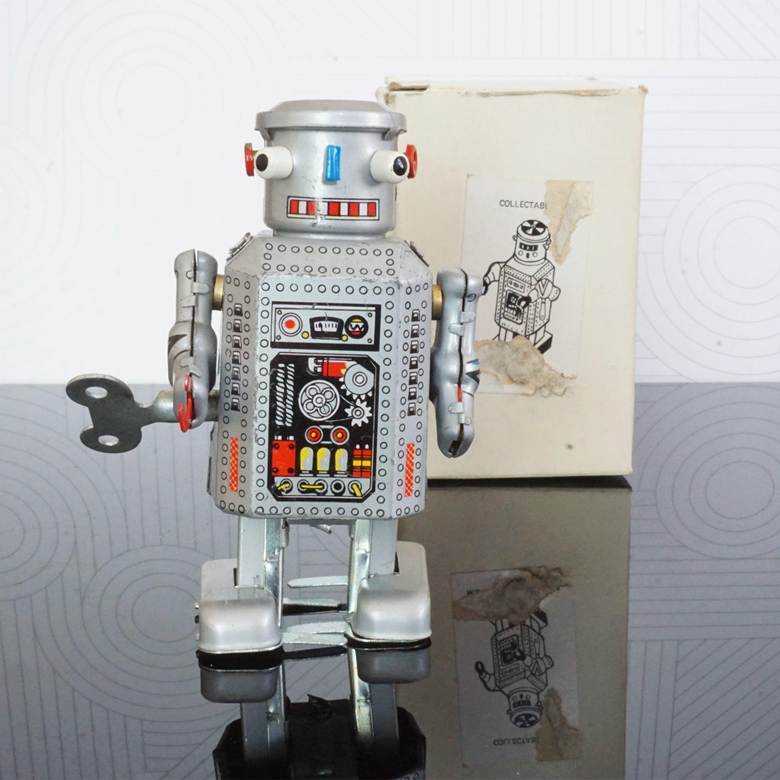
- Wind-Up Toys – Robots, cars, and carnival figures
- Kitchenware – Bread boxes, spice tins, and serving trays
- Holiday Décor – Christmas-themed mechanical toys
Rarity often depends on condition, print clarity, and production run size. Early 20th-century advertising trays with vibrant, unfaded colors can command premium prices.
🧭 Where to Find Tin Litho Today
Pieces surface in:
- Estate sales and antique shops
- Specialty auctions
- Flea markets and rural barns
- Online collector communities
Serious buyers often travel across states hunting for rare items—sometimes planning entire trips around shows or auctions, even figuring out where to book cheap travel deals to chase the next discovery.
🏛️ Museums Featuring Tin Lithography (USA)
Several institutions preserve these colorful artifacts:
- Strong National Museum of Play – Extensive toy collections
- Smithsonian National Museum of American History – Advertising and industrial design
- The Children’s Museum of Indianapolis – Historic toy exhibits
These museums highlight not just the objects, but the industrial systems that made them possible.
🔎 A Rare Find Story
In 2019, a Midwest auction unearthed a near-mint 1920s tin litho wind-up carousel toy, still in its original box. Produced in limited numbers, the piece featured intricate multi-color printing and flawless mechanical motion.
The final hammer price exceeded expectations by several multiples—proof that condition and rarity can transform a simple object into a prized artifact. Stories like this are the lifeblood of every tin lithography enthusiast, fueling the hunt for the next hidden treasure.
⚙️ Why It Still Matters
Tin lithography represents a unique intersection of:
- Industrial engineering
- Graphic design innovation
- Mass production efficiency
Factories that produced these items were early examples of scalable manufacturing—balancing speed with artistry.
💡 Final Thoughts
Today, whether displayed on a kitchen wall or locked safely in a collector’s cabinet, tin litho pieces continue to captivate. For every seasoned tin litho collector, the thrill lies not just in ownership, but in discovery—the idea that somewhere, tucked away in an attic or barn, the next great find is waiting.
And when it’s found, it won’t just be metal and ink—it’ll be history, preserved in color and steel.