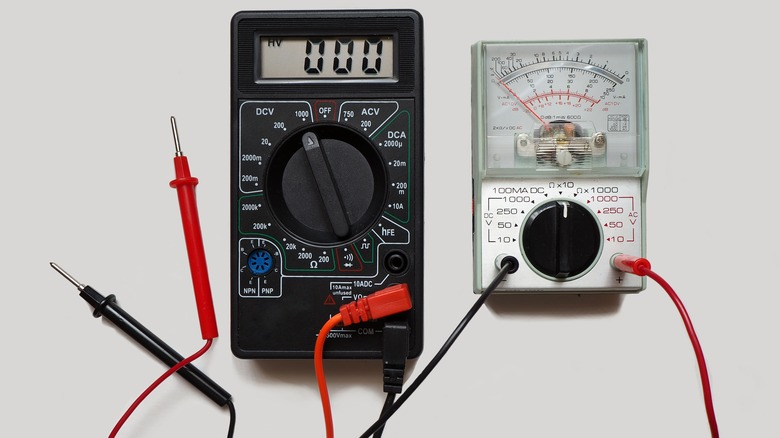
The world of electronics and electrical engineering has always relied heavily on accurate measurement tools, and among these tools, the multimeter stands out as one of the most essential. Over the decades, multimeters have undergone a significant transformation, reflecting both technological progress and changing user demands. This article explores the multimeters’ evolution over time, from their early analog origins to today’s sophisticated digital models, highlighting key innovations and their impact on efficiency, precision, and usability.
Understanding Multimeters: A Brief Overview
A multimeter is a versatile device used to measure electrical parameters such as voltage, current, and resistance. Originally, these instruments were designed for technicians and engineers who required a single device capable of performing multiple functions. Today, multimeters are ubiquitous, used by hobbyists, professionals, and educational institutions alike.
The journey from rudimentary analog devices to highly accurate digital multimeters provides fascinating insight into the multimeters’ evolution over time.
The Analog Era: Humble Beginnings
The first multimeters were purely analog devices, dating back to the early 20th century. Analog multimeters relied on a moving-coil galvanometer to display readings on a needle scale. These devices were sturdy, simple, and capable of performing essential measurements, but they had notable limitations.
- Accuracy Challenges: The needle-based system could be prone to parallax errors, where readings were affected by the viewer’s angle.
- Limited Functionality: While analog multimeters could measure voltage, current, and resistance, switching between ranges often required manual adjustments.
- Durability vs. Precision: Although durable, analog meters lacked the high precision demanded by modern electronics.
Despite these limitations, analog multimeters played a critical role in early electrical engineering, serving as the foundation for future innovations.
The Rise of Digital Multimeters
The 1970s and 1980s marked a revolutionary shift in the field of measurement technology: the introduction of digital multimeters (DMMs). By replacing the needle and scale with a digital display, these devices provided numerous advantages:
- Higher Accuracy: Digital multimeters eliminated many human-reading errors inherent in analog devices.
- Enhanced Functionality: Features like auto-ranging, data hold, and continuity testing became standard.
- Portability: With integrated circuits, DMMs became lighter, more compact, and easier to carry to different work sites.
This period represents a pivotal chapter in the multimeters’ evolution over time, showing how electronic advancements directly improved performance and usability.
Key Innovations in Multimeter Technology
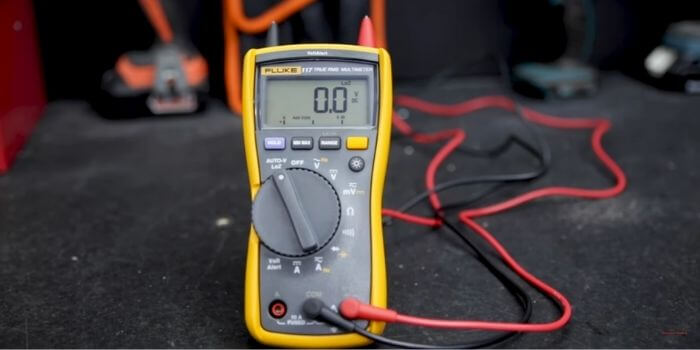
As multimeters continued to evolve, several technological milestones shaped their modern form:
- Auto-Ranging Capability: Early digital multimeters required manual range selection, which was time-consuming. Auto-ranging allows the device to detect the appropriate range automatically, saving both time and effort.
- True RMS Measurement: For accurate AC voltage and current measurements, True RMS technology ensures precise readings even in complex waveforms.
- Integration with Computers and Smartphones: Modern multimeters can interface with software or mobile apps, enabling data logging, analysis, and remote monitoring.
- Non-Contact Voltage Detection: This feature enhances safety by allowing users to detect voltage without making direct contact with live wires.
Each of these innovations demonstrates the multimeters’ evolution over time, reflecting a shift toward user convenience, safety, and advanced functionality.
Applications Across Industries
From simple household electrical troubleshooting to complex industrial systems, multimeters have found applications across virtually every sector.
- Education: Digital multimeters are now standard in electronics labs, helping students understand circuits and measure electrical quantities accurately.
- Industrial Maintenance: Precision multimeters ensure machines operate efficiently, reducing downtime and preventing costly failures.
- Hobbyists and DIY Enthusiasts: Affordable digital multimeters have made electrical experimentation accessible to a wider audience.
The broad range of applications further highlights the multimeters’ evolution over time, as they adapt to meet the diverse needs of different users.
Future Trends: Smart and Connected Multimeters
Looking ahead, multimeter technology continues to advance. Some emerging trends include:
- Wireless Connectivity: Multimeters with Bluetooth or Wi-Fi can transmit readings to cloud platforms, facilitating real-time monitoring.
- Enhanced Safety Features: Innovations like improved insulation and overload protection ensure safer measurements.
- AI-Enhanced Diagnostics: Future devices may integrate AI algorithms to detect circuit faults automatically, making troubleshooting faster and more efficient.
These trends indicate that the evolution of multimeters is far from over, with ongoing innovations pushing the boundaries of convenience, accuracy, and intelligence.
Conclusion
The story of the multimeters’ evolution over time is a testament to human ingenuity and the relentless pursuit of precision in electrical measurement. From the simple analog meters with moving needles to today’s feature-rich digital devices, multimeters have transformed the way engineers, technicians, and hobbyists interact with electrical systems.
Understanding this evolution not only provides historical context but also underscores the importance of staying updated with technological advancements in measurement tools. Whether for education, industrial maintenance, or personal projects, multimeters remain indispensable instruments whose development mirrors the broader trajectory of technological progress.
As digital integration, AI, and enhanced safety features continue to shape the future, the multimeter will undoubtedly remain a critical tool in both professional and everyday applications, embodying a rich legacy of innovation.