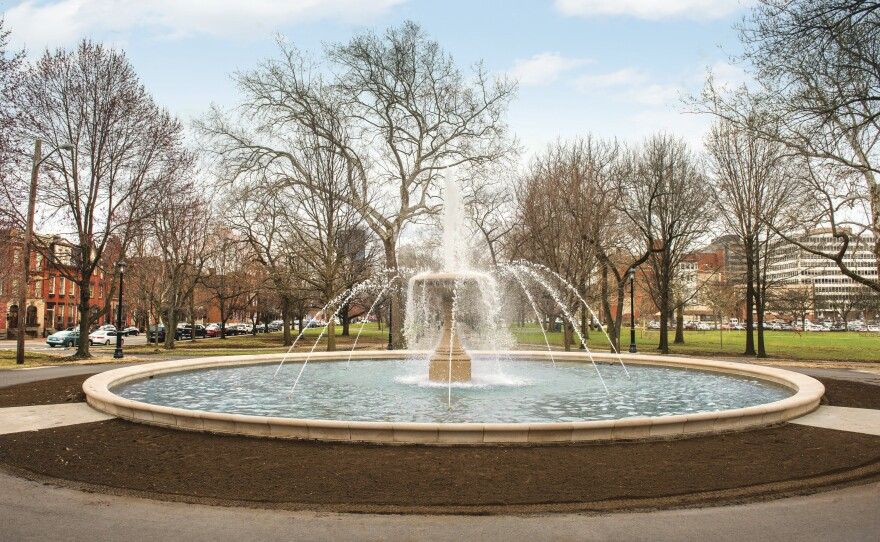
Looking for fun places to visit in Pittsburgh? Welcome to one of America’s most charming and history-rich cities—a place where old-world craftsmanship meets modern vitality. Pittsburgh is well-known for its steel legacy, but hidden throughout the city are timeless landmarks, ornate fountains, and incredible bridges that carry stories from the 19th century.
In today’s special feature, we take you on a journey through time as we explore must-visit destinations in Steel City, that continue to stand as symbols of Pittsburgh’s identity. Whether you’re a local, a history buff, or a traveler seeking something uniquely American, these spots are sure to captivate.
1. The Heinz History Center – A Gateway to Pittsburgh’s Heritage
First on our list of historic sites is the Senator John Heinz History Center, a world-class museum documenting 250 years of Western Pennsylvania’s past. Housed inside a renovated 19th-century brick warehouse, the building itself is an artifact of Pittsburgh’s industrial age.
Inside, visitors can explore:
- Exhibits on Pittsburgh’s role in the Civil War
- Artifacts from early settlements
- The city’s transformation through the 1800s
This center offers the perfect background for a first time travelers, machinist, history buffs or just about anybody looking to visit in Pittsburgh, setting the tone for the journey through time.
2. The Fort Pitt Block House – Pittsburgh’s Oldest Surviving Building
Built in 1764, long before skyscrapers lined the Three Rivers, the Fort Pitt Block House is a rare treasure. It stands as the only remaining structure of Fort Pitt and one of the oldest buildings in the region.
Visitors love:
- Its original stone and brick construction
- Free admission
- The peaceful green surroundings at Point State Park
The Block House provides an intimate view of Pittsburgh’s military and colonial history, connecting directly to the 1800s era when the city began establishing itself as an industrial powerhouse.
3. The Old Allegheny County Jail – A Masterpiece of Romanesque Architecture
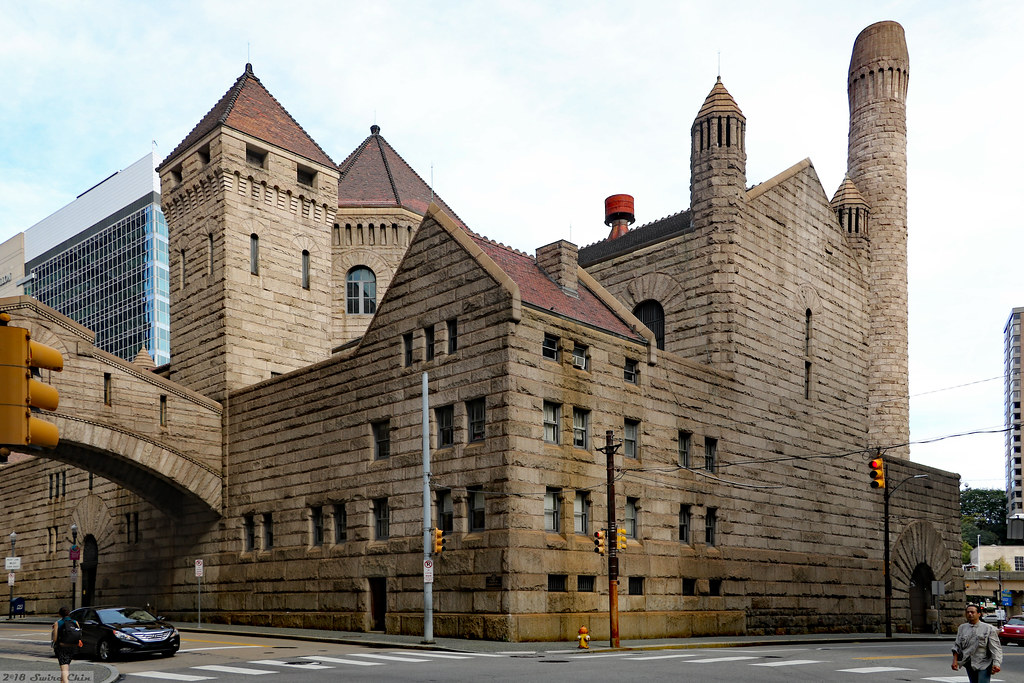
Designed by the legendary architect H. H. Richardson, the Old Allegheny County Jail is a striking reminder of 19th-century craftsmanship. Completed in 1886, the structure features stone walls, arched windows, and castle-like towers.
What makes it fascinating?
- An enclosed “Bridge of Sighs” connecting the jail to the courthouse
- Dark, atmospheric hallways that feel frozen in time
- Historical tours that highlight real stories from the 1800s
This is sure to be one of the most impressive stops on your tour.
4. The Frick Mansion (Clayton) – A Glimpse into 19th-Century Wealth
Henry Clay Frick, one of America’s iconic industrialists, built this grand mansion in the late 1800s. Today, The Frick Pittsburgh allows the public to explore his perfectly preserved home, carriage museum, and expansive gardens.
Highlights include:
- Authentic Victorian furnishings
- A rare car collection
- Gilded Age artwork
- Guided tours through gardens inspired by old European styles
Clayton brings the elegance of the 1800s to life and completes our list of the four historic sites every visitor should experience.
Pittsburgh’s Three Remarkable Water Fountains
With our historic sites explored, let’s turn to something equally enchanting—three iconic water fountains that carry 19th-century character and charm. These architectural gems offer peaceful scenery, historic beauty, and perfect photo opportunities.
5. The Mary Schenley Memorial Fountain – “A Mother’s Gift”
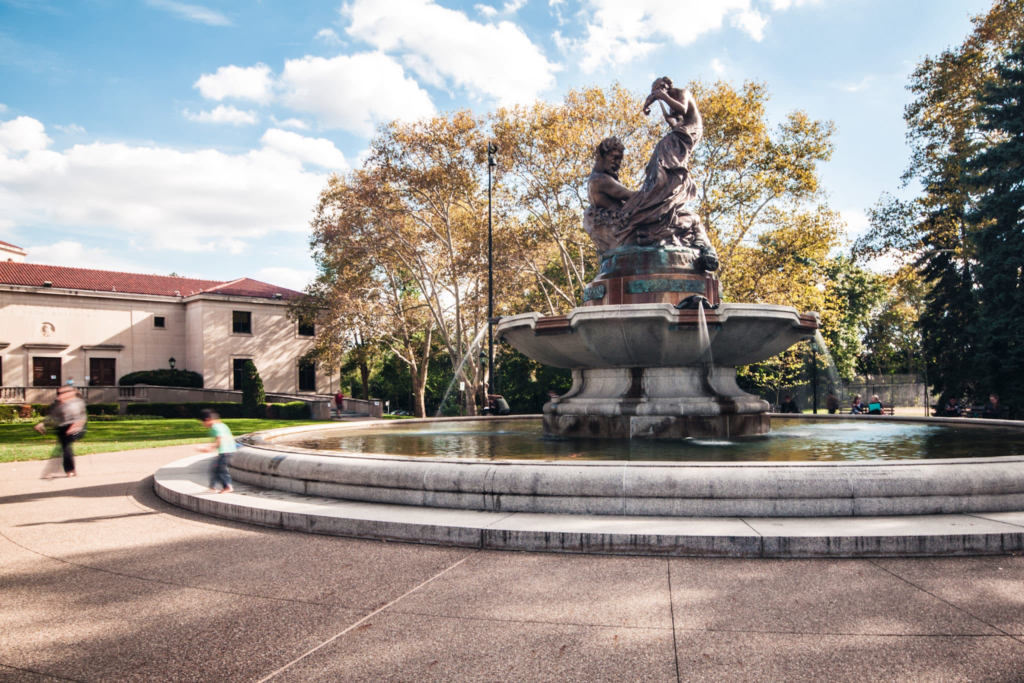
Installed in 1898, this fountain honors philanthropist Mary Schenley, who donated thousands of acres for public parks. Designed by Austrian sculptor Victor Brenner, it features a bronze female figure representing “The Spirit of American Youth.”
Why it’s a must-see:
- One of Pittsburgh’s oldest public fountains
- Located near the Carnegie Museum
- Surrounded by historic buildings and tree-lined paths
Its artistic design reflects the classical beauty popular during the late 1800s.
6. The Highland Park Entry Fountain – A Grand Welcome from the 19th Century
Dating back to 1896, the Highland Park Entry Fountain is an architectural masterpiece that welcomes visitors to one of the city’s most beautiful green spaces. The fountain features elegant stonework, wide basins, and decorative columns.
Visitors enjoy:
- Peaceful water displays
- Lush landscaping
- A vintage iron gate nearby
This fountain is a great stop for families or travelers seeking scenic relaxation.
7. The Mellon Square Fountain – A Mid-Century Revival with 1800s Influence
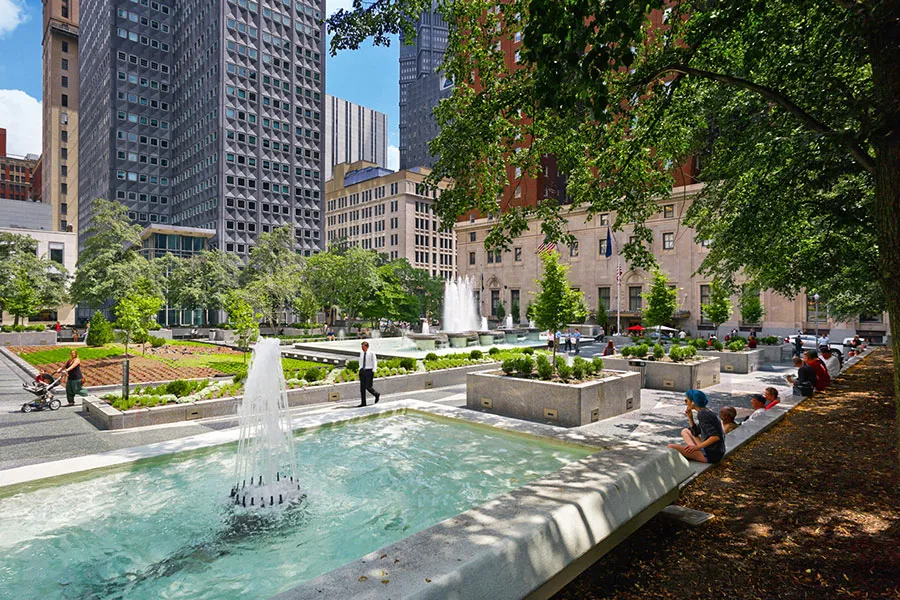
Although rebuilt in the 20th century, the Mellon Square Fountain incorporates design elements inspired by Pittsburgh’s earlier era of craftsmanship. Surrounded by historic skyscrapers rooted in 1800s industrial growth, the fountain adds vibrant energy to Downtown Pittsburgh.
Features include:
- Layered water terraces
- Geometric patterns
- A beautiful aerial view from surrounding buildings
This fountain represents the bridge between old Pittsburgh and its modern evolution.
Pittsburgh’s Two Iconic 1800s Bridges
No travel excursion to the City of Bridges would be complete without honoring the city’s legendary bridges. Two of these stand out as extraordinary engineering achievements of the 19th century.
8. The Smithfield Street Bridge – America’s Oldest Steel Bridge
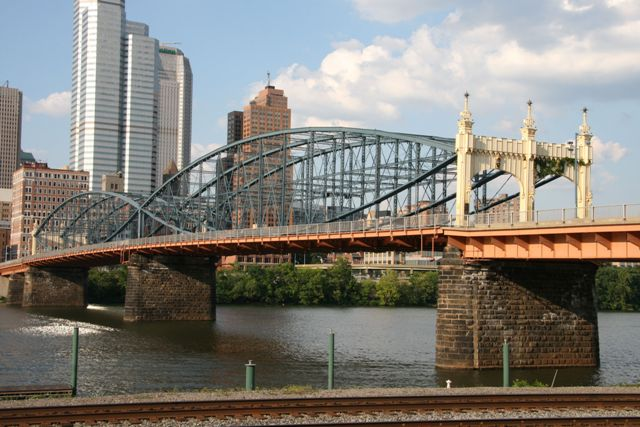
Built in 1883, the Smithfield Street Bridge is a National Historic Landmark and the oldest surviving steel bridge in the United States. Designed by engineer Gustav Lindenthal, it features a distinctive lenticular truss design with elegant arches.
Visitors can:
- Walk across the pedestrian pathway
- Capture panoramic river views
- Appreciate the vibrant blue and yellow paint scheme
It’s an iconic symbol of Pittsburgh’s transition into the “Steel City.”
9. The Hot Metal Bridge – Industrial Power on Display
Originally constructed in 1887, the Hot Metal Bridge carried molten steel between ironworks, making it one of the most industrially significant bridges in the city. Today, it supports both vehicles and pedestrians, offering a scenic route across the Monongahela River.
Why it’s special:
- A rare look into Pittsburgh’s industrial past
- Beautiful daytime and nighttime views
- Close to the South Side’s restaurants and historic landmarks
This bridge connects the city’s hardworking past with its vibrant present.
Conclusion: A Journey Through Time in the Steel City
From historic homes and ancient landmarks to fountains bursting with vintage charm and bridges that shaped America’s industrial age, Pittsburgh offers an unforgettable journey for avid travelers. Whether you enjoy architecture, history, photography, or simply exploring new places, these sites deliver beauty, character, and captivating stories.
This brief travel guide brings you the best of the city’s preserved past—inviting you to discover, learn, and enjoy the timeless charm woven into its streets and riverbanks.