By Editor: Gracus Bloom, City-Paper.com
In the aftermath of World War II, Europe didn’t just rebuild—it reimagined. By the 1950s, a wave of optimism and industrial revival swept across the continent, and nowhere was that more visible than in the radical, often futuristic concept cars emerging from Italy, France, and beyond.
These weren’t just vehicles—they were rolling statements of ambition, engineering, and style. Much like how an experienced detailer is hard to find in today’s restoration world, the craftsmanship behind these machines was rare, deliberate, and deeply artistic.
Alfa Romeo BAT 7 (1954)
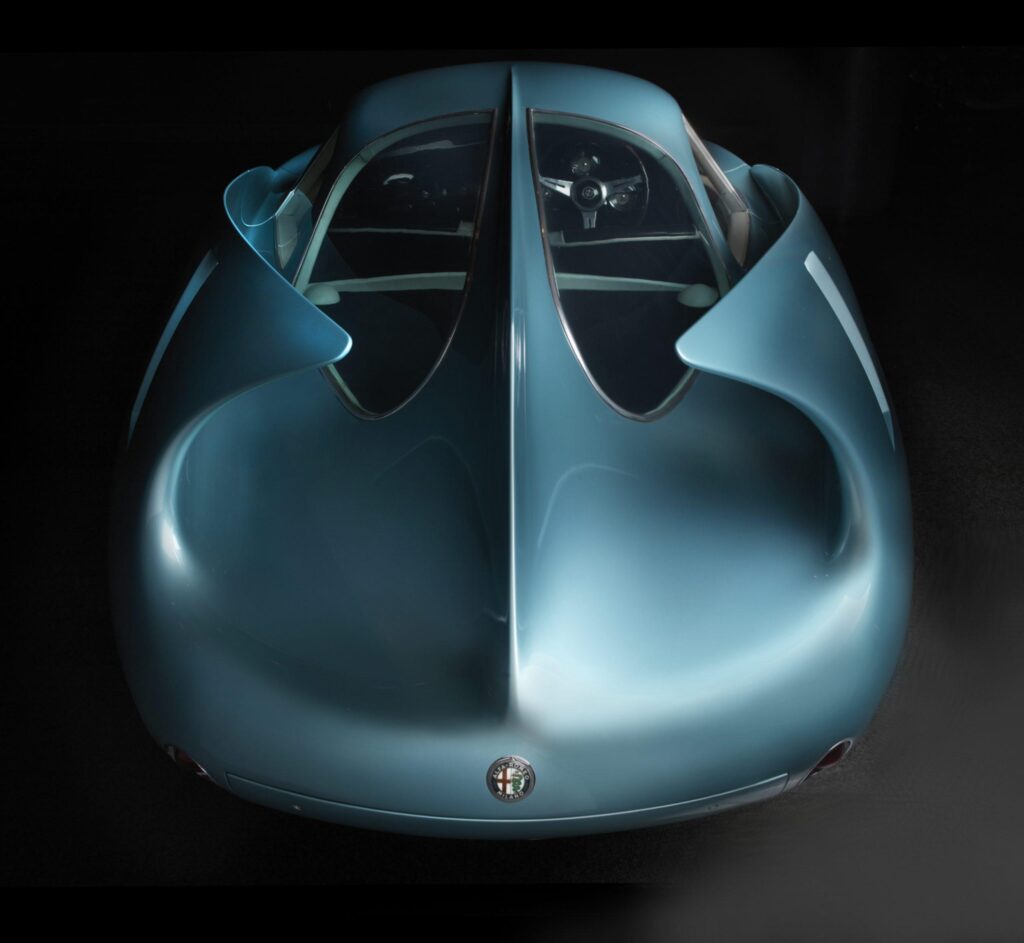
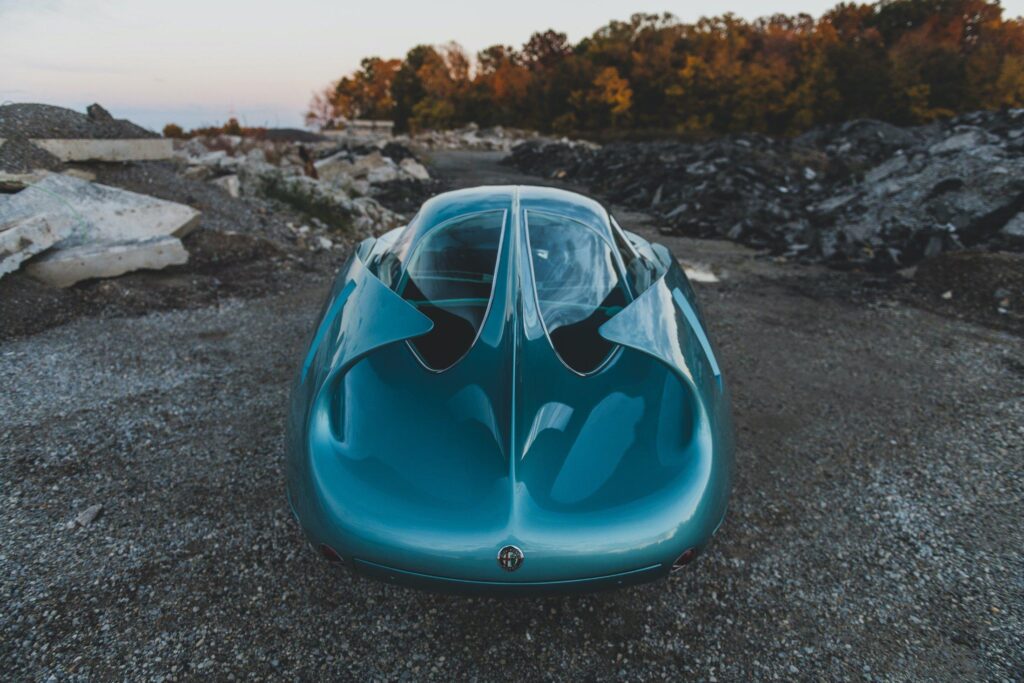
Perhaps one of the most visually striking concept cars ever created, the BAT 7 was part of Alfa Romeo’s collaboration with Bertone to explore aerodynamics.
Technical Highlights:
- Engine: 2.0L inline-4
- Top Speed: ~120 mph
- Drag Coefficient: ~0.19 (extremely low for its time)
Why it existed:
Alfa Romeo wanted to push aerodynamic boundaries. The dramatic tail fins weren’t just for show—they stabilized airflow and reduced drag.
Legacy:
The BAT series proved that science and design could coexist beautifully, influencing future performance vehicles.
Lancia Florida (1955)
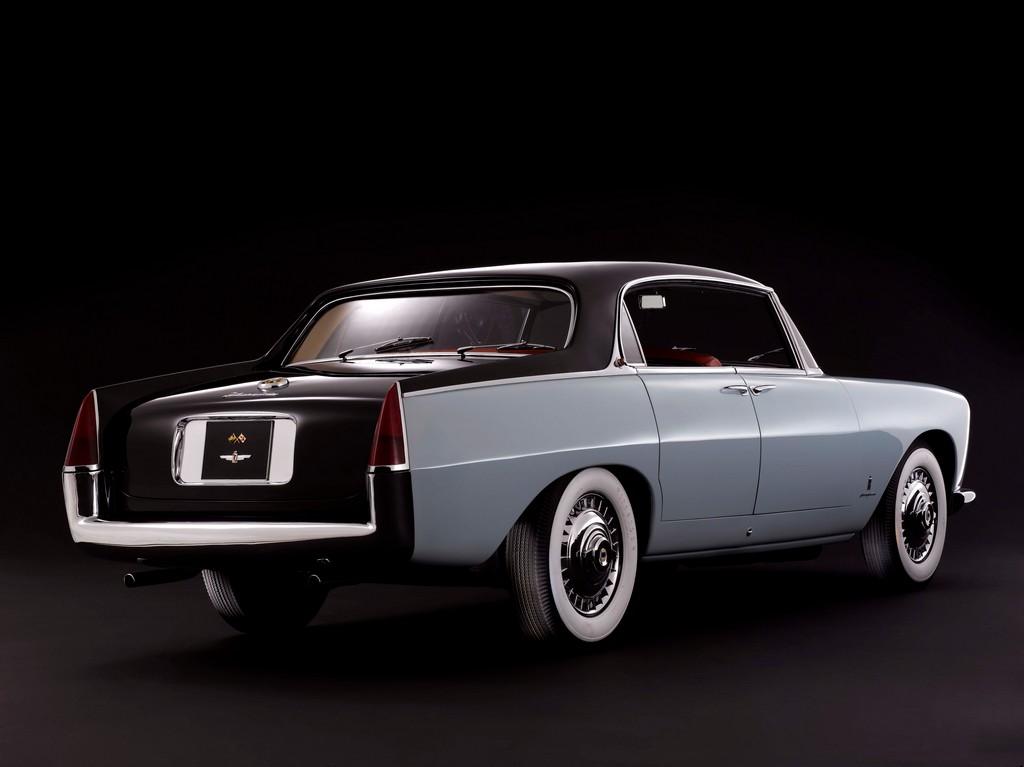
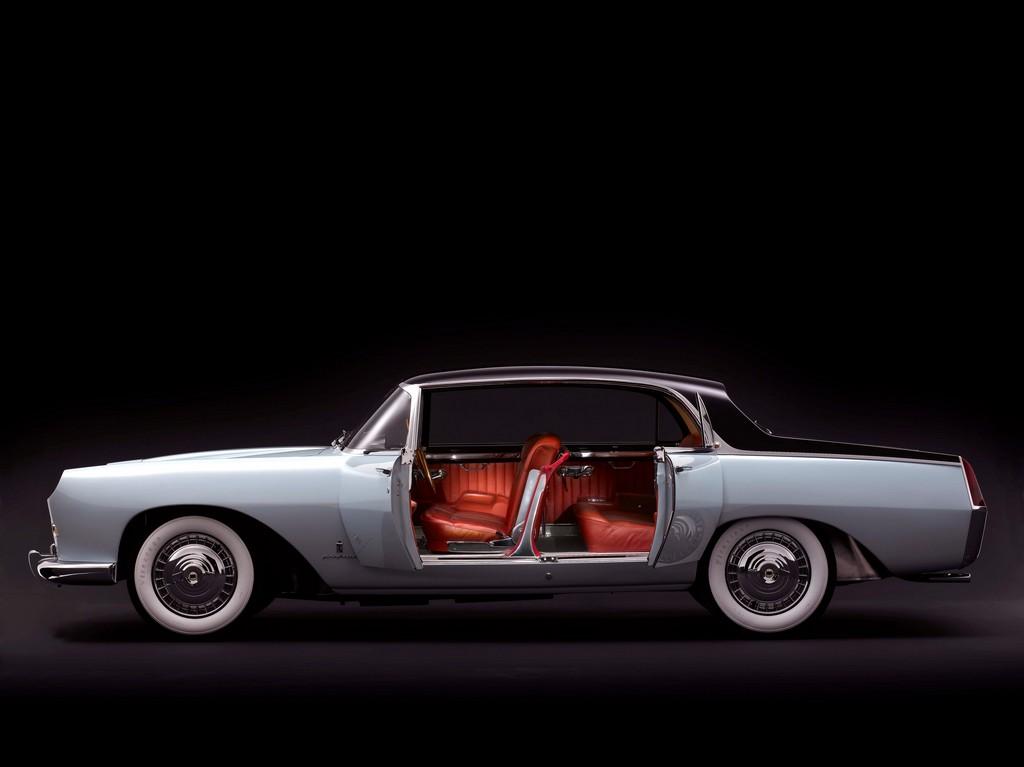
Elegant, minimal, and forward-thinking, the Lancia Florida was a departure from the bulky styling of earlier decades.
Technical Highlights:
- Engine: V6 (derived from Aurelia platform)
- Layout: Front-engine, rear-wheel drive
- Design: Pillarless doors, flat surfaces
Why it existed:
Pininfarina envisioned a cleaner, more modern automotive language—less ornamentation, more proportion.
Legacy:
It heavily influenced the later Lancia Flaminia and set the tone for executive sedans.
Citroën DS (1955)
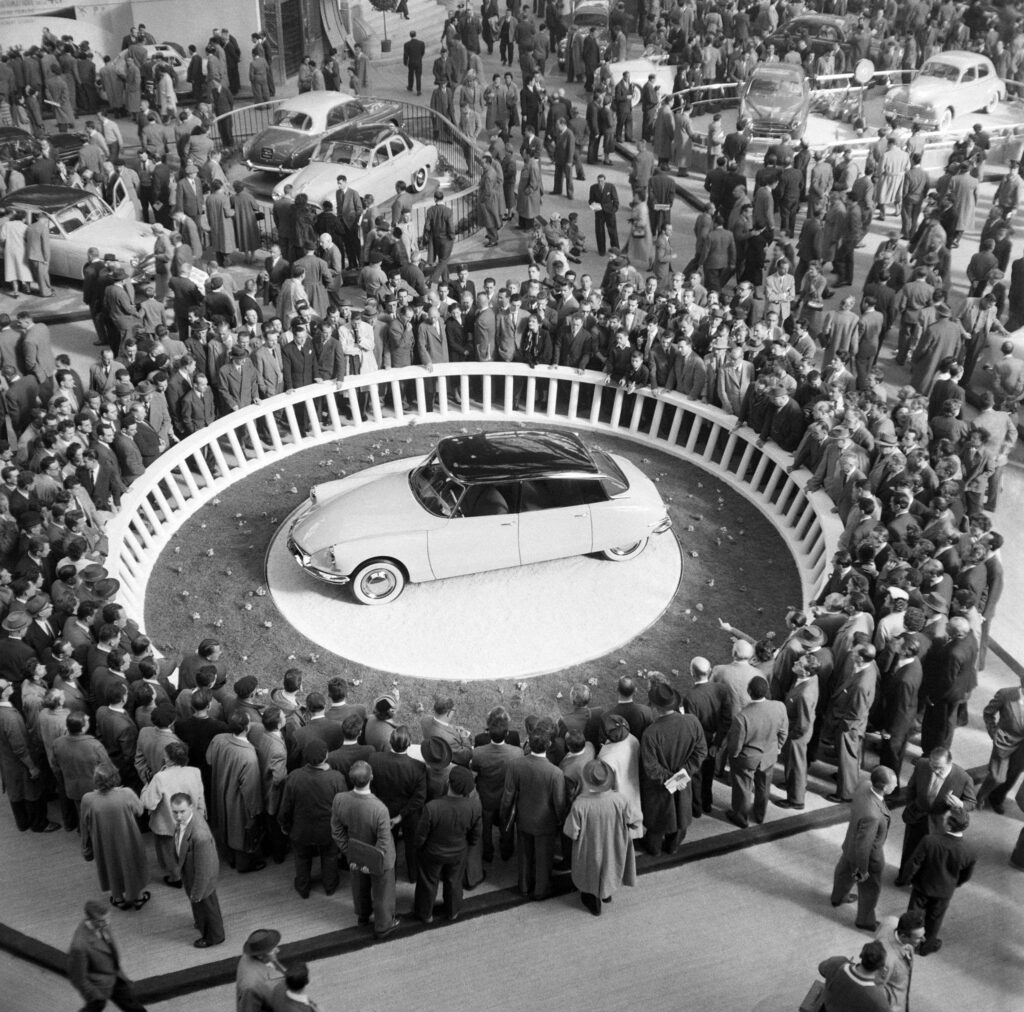
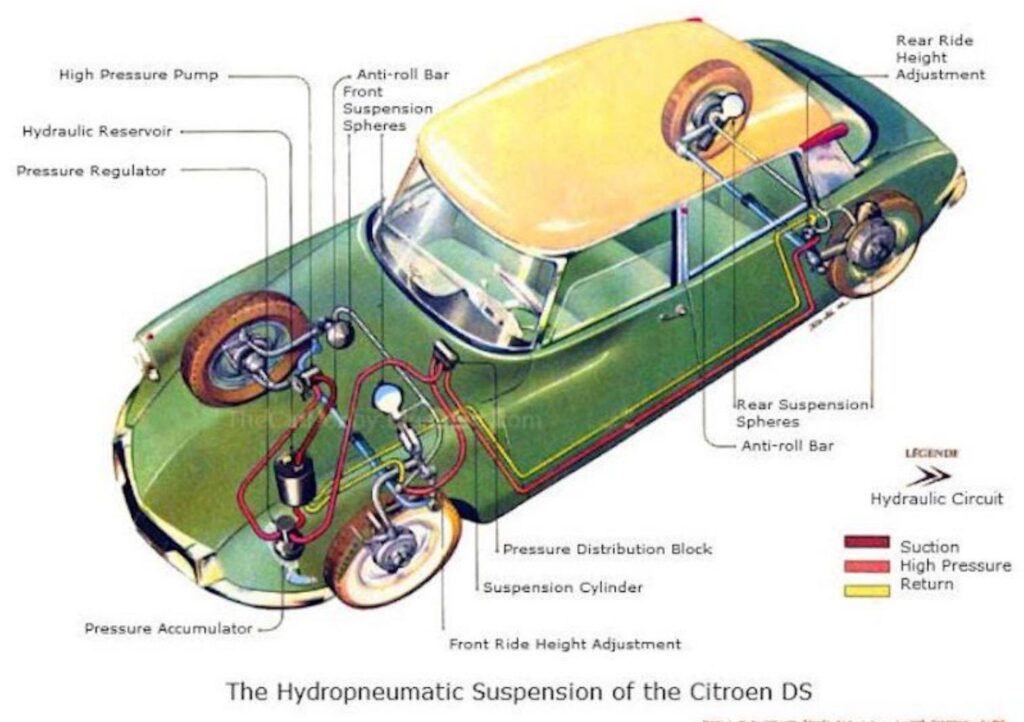
While technically a production car, the DS felt like a concept brought to life.
Technical Highlights:
- Engine: 1.9L inline-4
- Innovation: Hydropneumatic suspension
- Features: Power steering, disc brakes (ahead of its time)
Why it existed:
Citroën aimed to leapfrog competitors through innovation—comfort, safety, and futuristic design.
Legacy:
The DS redefined ride quality and remains one of the most influential cars ever built.
Fiat Turbina (1954)
If the future had a sound in the 1950s, Fiat thought it would be a turbine whine.
Technical Highlights:
- Engine: Gas turbine (producing ~300 hp)
- Top Speed: ~155 mph
- Body: Wind tunnel-tested aerodynamic shell
Why it existed:
Fiat explored turbine propulsion as a possible alternative to piston engines during a time of experimentation.
Legacy:
Though turbine cars never went mainstream, the Turbina showcased Fiat’s engineering ambition.

The Craftsmanship Behind the Concepts
These cars weren’t mass-produced—they were hand-built works of art. The metal shaping, paintwork, and interiors required elite skill. In today’s restoration shops, hiring for a motivated bodyman with the ability to replicate that level of craftsmanship remains a challenge.
Coachbuilders like Bertone and Pininfarina didn’t just design cars—they sculpted them. Every curve was intentional, every surface refined by hand.
Why the 1950s Mattered
The 1950s marked a turning point:
- Europe was rebuilding its industrial identity
- Automakers competed through innovation, not just production
- Design houses became as important as manufacturers
Concept cars became a way to test ideas without limits—a philosophy that still drives automotive design today.
Final Thoughts
These European concept cars weren’t just experiments—they were declarations of confidence..
Today, they remain icons of a time when imagination drove engineering, and the future felt wide open.
Because sometimes, the most important cars aren’t the ones you can buy—they’re the ones that dared to ask, what if?



It’s astonishing how futuristic some of these cars still look even 70 years later.
The BAT 7 especially looks like something from a sci-fi movie.
I could have them as a collection if I could.
I find articles like this really intriguing and more inclined to read especially when it’s a detailed composition of knowledge most people are not aware about.
Its hard to believe that a design like the BAT 7 was built in the 50’s
It could pass off as a futuristic model
It I’m being honest, the technology in most if these cars are way ahead of what you’d expect from that period
The Lancia Florida is definitely my favorite here. It has a much simpler design and aged incredibly well.
It’s really interesting how much attention they paid to the aerodynamics back then, most of these cars are impressive even by modern standards