Gracus Bloom for City-Paper.com
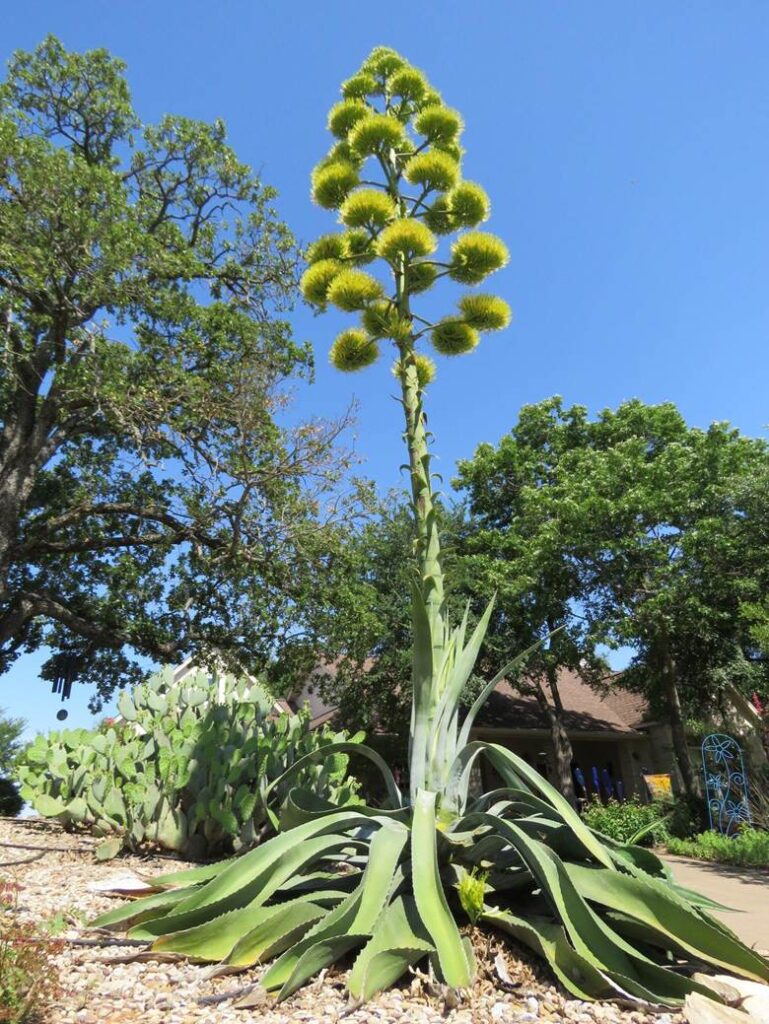
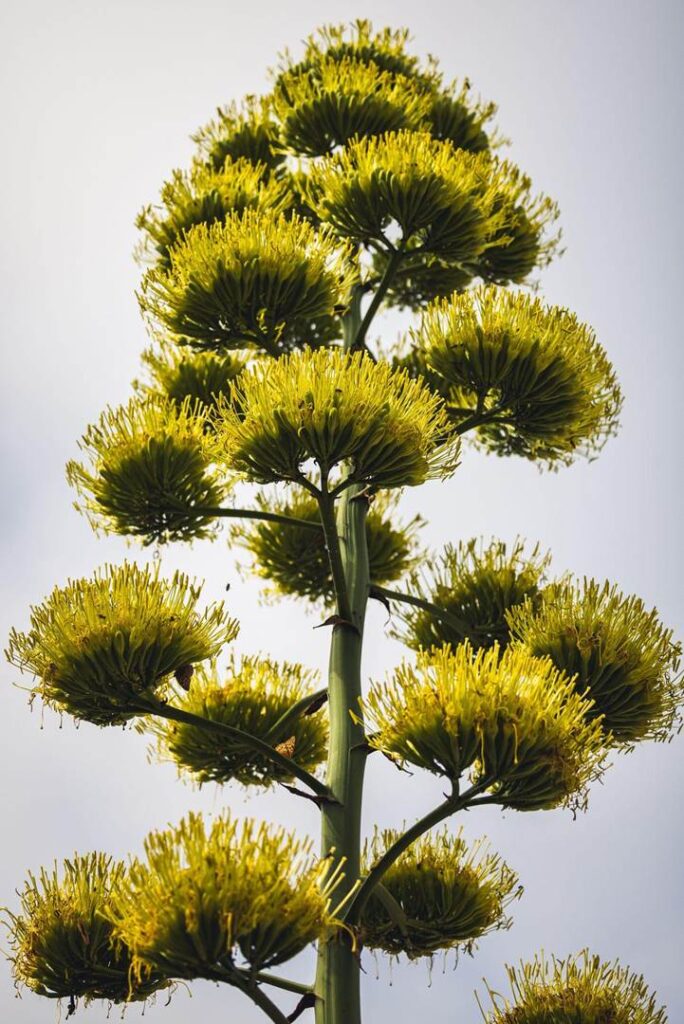
In the quiet deserts of the American Southwest and Mexico, a botanical miracle unfolds only once in a generation. Known as the “century plant,” the towering bloom of Agave americana has long fascinated gardeners, historians, and travelers alike. Despite its nickname, this striking plant typically flowers once after 10 to 30 years, unleashing a dramatic burst of life before dying—a phenomenon both fleeting and unforgettable. (Gardenia)
🌵 When Will the Next Bloom Occur in 2026?
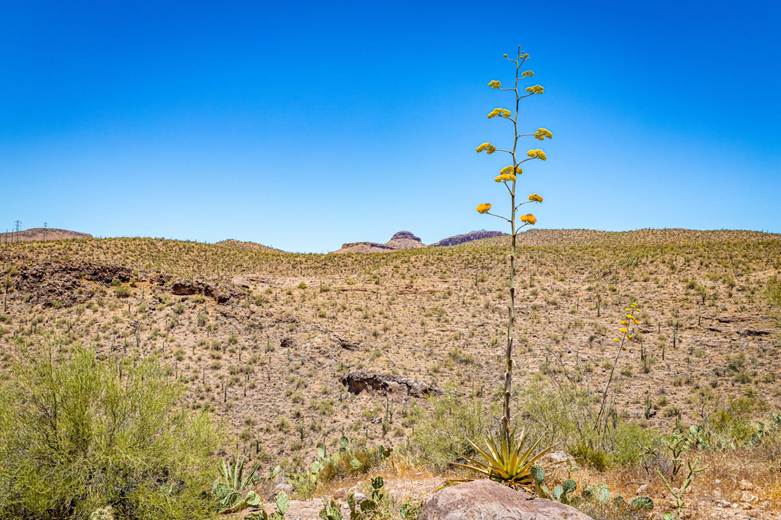
Because each plant follows its own internal clock, there is no single global bloom date. However, many agave planted in the mid-1990s to early 2000s—especially across California, Texas, and Arizona—are reaching maturity now. That means spring through late summer 2026 is expected to bring a noticeable wave of towering blooms across warm, arid regions.
In recent years, individual specimens have shocked homeowners by suddenly shooting up 20–30 foot flower stalks in just weeks, drawing crowds and photographers. (NBC Los Angeles)
🧪 The Dirt Beneath the Drama: Soil & Mineral Composition
The secret to these rare blooms lies underground. Agave thrives in well-draining, sandy or rocky soils, often found in deserts and semi-arid landscapes.
Typical Soil Composition:
- Sand and gravel (for drainage)
- Low organic matter
- Slightly alkaline pH
Key Minerals:
- Calcium carbonate (common in desert soils)
- Silica (supports structural rigidity)
- Trace magnesium and potassium
These harsh conditions force the plant to store energy slowly over decades—like a living battery—until it releases everything in one final floral display. Overwatering or nutrient-rich soil can actually delay or damage this process.
🌍 Locations & Sightings
You can find or expect blooms in:
- Southern California – especially coastal and inland desert zones
- Arizona & New Mexico – native desert habitats
- Texas & Northern Mexico – original homeland
- Mediterranean climates (Spain, Italy, Greece)
Some of the most famous sightings have occurred in residential neighborhoods, botanical gardens, and even roadside landscapes—turning ordinary places into temporary tourist attractions.
For those hoping to witness it firsthand, many enthusiasts now plan trips around bloom alerts—sometimes bundling the journey with efforts to book cheap travel deals to catch the spectacle before it fades.
🌼 A Bloom Wrapped in Legend
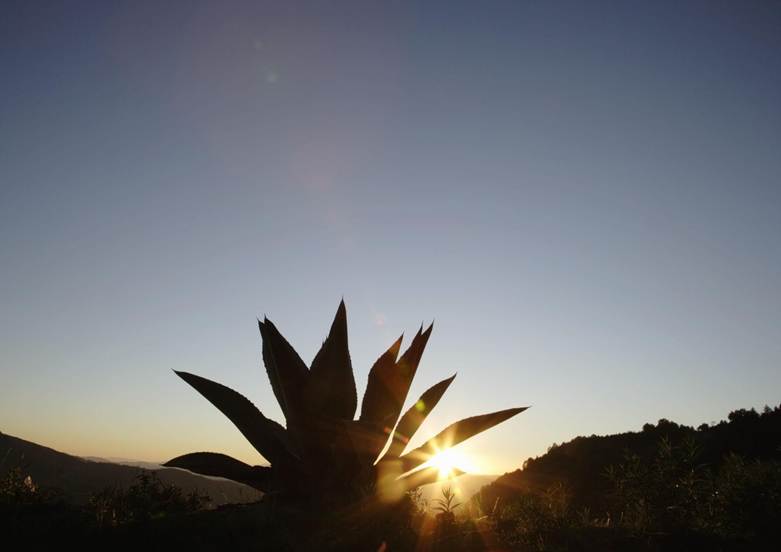
The agave’s long wait has inspired myths for centuries. Early observers believed the plant bloomed only once every hundred years, giving rise to its dramatic nickname. Others claimed the bloom marked omens—prosperity, endings, or renewal.
In truth, the plant is monocarpic—it flowers once, produces seeds, and then dies. (NC Extension Gardener Toolbox) But it leaves behind “pups,” or offshoots, ensuring the cycle continues.
📊 Bloom Cycle Visualization
Years 0–25 Energy Storage (leaf growth)
Year 25–30 Rapid stalk growth (weeks)
Bloom Period Flowers open (2–3 months)
After Bloom Plant dies, offspring remain
🌟 Why It Was “Stella” for Its Time
Before modern horticulture, the agave’s bloom must have seemed supernatural:
- A massive stalk appears almost overnight
- Nectar-rich flowers attract birds, bats, and insects
- Entire landscapes briefly transform
Even today, the spectacle rivals engineered marvels. It’s nature’s version of a grand finale—decades in the making, gone in a season.
💰 Rarity and Modern Fascination
While the plant itself is not rare, a blooming specimen is extremely valuable in attention and tourism terms. Botanists and collectors might informally give estimated value on market interest based on rarity of bloom timing, size, and location visibility—though the real worth is experiential rather than monetary.
Local buzz around a bloom can rival pop-up attractions, drawing crowds, photographers, and even opportunists—from gardeners seeking tips to those joking they suddenly need a good small engine mechanic just to clear space for the towering stalk.
🌸 Final Thought
The agave bloom is a reminder that some of nature’s most extraordinary events cannot be rushed, bought, or replicated. They demand patience—decades of it—and reward those lucky enough to witness them with a fleeting, unforgettable display of life at its most dramatic.