Virginia’s Steel and Stone Bridge Legacy Along the James River
Virginia’s bridges are more than transportation corridors; they are monuments to engineering ambition, industrial growth, and river culture. From soaring steel lift spans to elegant stone and concrete arches, the Commonwealth preserves some of the most visually striking crossings in the eastern United States. Among the most fascinating examples is the historic James River Arch Bridge in Richmond and the nearby James River Bridge connecting Isle of Wight County and Newport News. Together, they showcase how bridge construction evolved from stone-inspired masonry aesthetics to massive steel infrastructure capable of supporting railroads, automobiles, and maritime traffic.
The story of these structures also reflects America’s industrial transformation. During the late nineteenth and early twentieth centuries, bridge projects demanded thousands of skilled tradespeople, from riveters to machinists and structural polish crews. Even today, restoration contractors say there is continuing interest from employers who need a good manual machinist for preservation projects involving historical steelwork and custom-fabricated bridge components.
The James River Arch Bridge: Richmond’s Concrete Giant
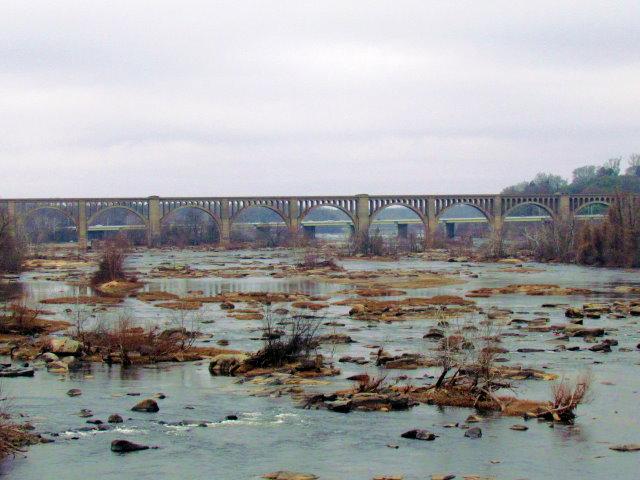
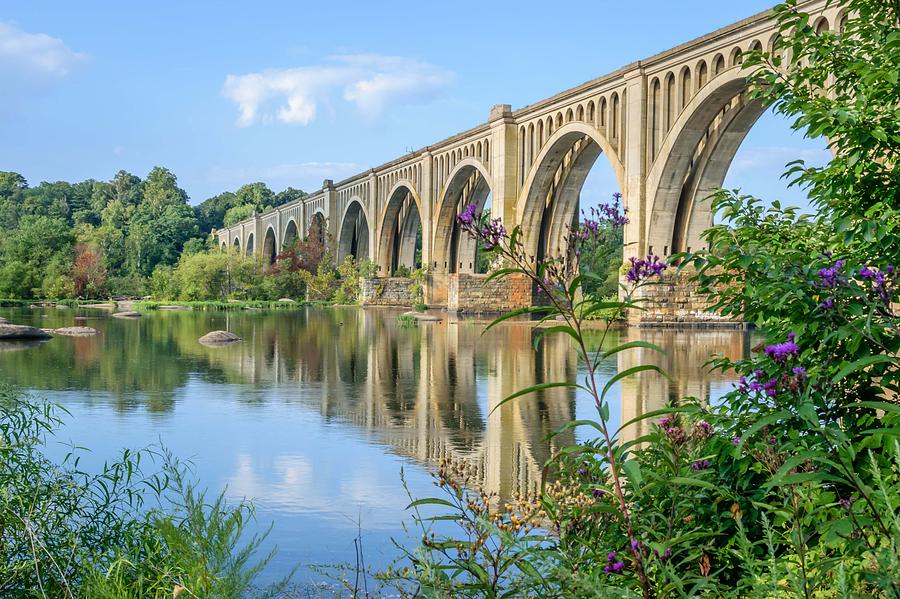
The James River Arch Bridge, often called the “Million Dollar Bridge,” stretches across the James River near Richmond, Virginia. Construction began in 1917 and the bridge officially opened in 1919. It was designed as a railroad bridge for the Atlantic Coast Line Railroad and quickly became one of the most recognizable crossings in the state. (Wikipedia)
Unlike steel truss bridges common during the era, the James River Arch Bridge used reinforced concrete arches with stone-inspired detailing. Engineers chose concrete because it offered exceptional durability against flooding and reduced long-term maintenance costs. The bridge contains 15 main arches and several approach spans, creating a sweeping architectural rhythm above the rocky river shallows.
Technical Bridge Chart
| Feature | Specification |
| Bridge Name | James River Arch Bridge |
| Location | Richmond, Virginia |
| Year Completed | 1919 |
| Primary Material | Reinforced concrete with masonry styling |
| Function | Railroad transportation |
| Total Length | Approx. 3,000 feet |
| Main Span Type | Open-spandrel arch |
| River Crossed | James River |
| Railroad Owner | Atlantic Coast Line Railroad |
| Architectural Style | Classical industrial design |
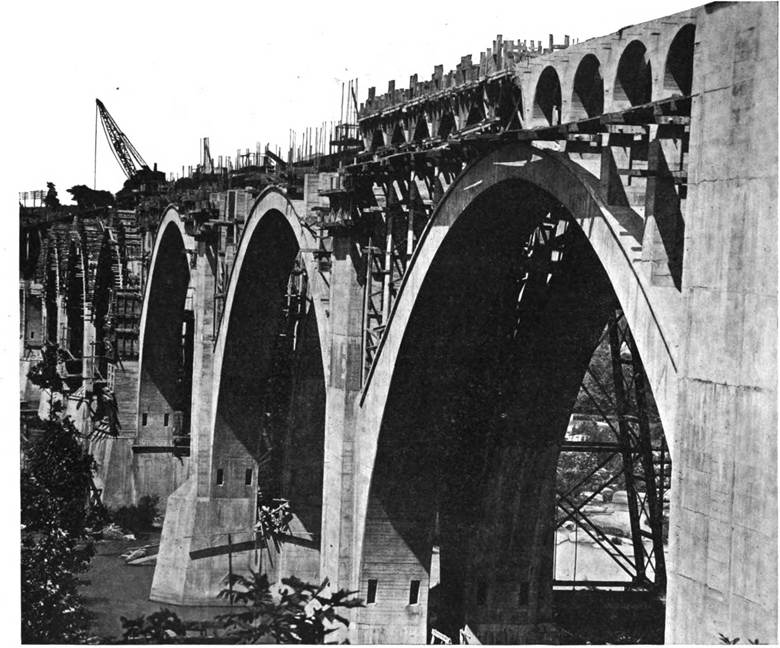
One remarkable fact about the structure is that engineers built much of it while dealing with fluctuating river currents and unstable riverbed rock. Temporary wooden scaffolding supported the massive arches during construction. Historic photographs reveal workers balancing high above the river without modern safety harnesses.
The bridge still carries rail traffic today, more than a century after completion. Preservation experts often cite it as one of America’s finest examples of early large-scale concrete railroad bridge engineering.
The Steel James River Bridge Near Hampton Roads
Further downstream stands another engineering marvel: the James River Bridge connecting Newport News and Isle of Wight County. Opened in 1928, this structure represented one of the world’s longest bridges over water at the time of completion. (Wikipedia)
The bridge combines steel truss construction with a vertical lift span allowing maritime traffic to pass underneath. President Calvin Coolidge famously activated the opening ceremony remotely from Washington, D.C., using an electrical signal to lower the span into place. (Wikipedia)
Steel Bridge Specifications
| Feature | Specification |
| Bridge Name | James River Bridge |
| Year Opened | 1928 |
| Main Material | Structural steel |
| Crossing Type | Vehicular and maritime |
| Lift Span Length | 300 feet |
| River Crossed | James River |
| Original Cost | $5.2 million |
| Engineering Feature | Vertical lift mechanism |
The steel framework was fabricated using riveted connections, which dominated American bridge construction before widespread welding techniques emerged. Thousands of steel members were assembled with incredible precision. Historical bridge crews included polish specialists and coating experts because corrosion protection was essential in the humid river climate. Today, transportation agencies note that industrial polishers remain critical for restoration projects involving historical bridge metals and protective coatings.
Engineers and Firms Behind the Structures
Large bridge projects during the early twentieth century required collaboration among architects, railroad companies, contractors, and civil engineers. The James River Arch Bridge was heavily influenced by railroad engineering divisions associated with the Atlantic Coast Line system, while consulting engineers specialized in reinforced concrete arch design.
Bosher’s Dam fishway engineering near Richmond later involved J.K. Timmons and Associates, now known as Timmons Group, a Virginia-based engineering firm recognized for environmental and infrastructure work. (Department of Wildlife Resources)
The James River Bridge relied on large steel fabrication contractors and state transportation engineers experienced in movable bridge technology. The vertical lift mechanism represented advanced engineering for its time and required precise balancing systems using counterweights and electric motors.
Dams Along the James River
The James River contains several historically important dams that influenced bridge placement and river navigation. Among the best known is Bosher’s Dam near Richmond. Built in the early nineteenth century, the structure originally supported navigation and industrial waterpower. (Wikipedia)
Current Dams and Electrical Capacity
| Dam | Type | Approximate Purpose | Hydroelectric Capacity |
| Bosher’s Dam | Concrete gravity dam | Water supply & navigation | Minimal/none |
| Cushaw Hydroelectric Project | Hydroelectric dam | Power generation | Significant regional output |
| Reusens Dam | Hydroelectric dam | Electricity generation | Largest capacity on James River |
| Holcomb Rock Dam | Low-head dam | Historic industrial use | Small hydro generation |
The Reusens Dam near Lynchburg is considered the river’s largest hydroelectric facility by generating capacity. (Wikipedia)
Modern hydroelectric systems use turbines connected to generators that transform flowing water into electricity. This remains a major career path in infrastructure maintenance, and many vocational schools discuss the competitive generator technician salary available in hydroelectric and utility sectors.
Fish Species Beneath the Bridges
The James River is one of Virginia’s richest fisheries. Waters beneath the bridges support migratory and resident species throughout the year. (Department of Wildlife Resources)
Common Fish Found Near the Bridges
- American shad
- River herring
- Smallmouth bass
- Striped bass
- Flathead catfish
- Channel catfish
- Bluegill
- Rock bass
- American eel
- Sea lamprey
The Bosher’s Dam fishway became nationally recognized after opening in 1999 because it restored fish migration routes blocked for nearly two centuries. Tens of thousands of fish now pass through the structure annually. (Department of Wildlife Resources)
One especially fascinating detail is that American shad once migrated far upstream toward Virginia’s mountain regions before industrial dams interrupted spawning pathways. Conservation groups continue improving fish passage systems throughout the watershed.
Fun Facts About Virginia Bridges
- The James River Arch Bridge earned the nickname “Million Dollar Bridge” because of its enormous construction cost for the era.
- Workers constructing early bridges often balanced on narrow beams hundreds of feet above the water with almost no protective equipment.
- Richmond contains multiple generations of bridges visible from one river viewpoint, creating a layered industrial skyline. (Reddit)
- Some bridge foundations from the nineteenth century remain visible beside modern structures.
- The Buchanan Swinging Bridge in Botetourt County preserves stone piers originally constructed in 1851. (Virginia Association of Counties)
The bridge-building boom transformed Virginia into a center for industrial transportation, rail logistics, and metal fabrication. During the twentieth century, railroad corridors and manufacturing plants expanded rapidly throughout the region, helping create employment opportunities in machining, fabrication, and finishing trades. Today, restoration work continues to support careers connected to heavy infrastructure and preservation engineering.
Best Picnic and Viewing Locations
Several scenic locations along the James River offer excellent bridge views and outdoor recreation opportunities.
Belle Isle
Belle Isle is one of Richmond’s most popular recreation destinations. Visitors can walk suspended footbridges, relax beside river rapids, and photograph the historic arch bridges from rocky shoreline overlooks. (Department of Wildlife Resources)
Brown’s Island
Brown’s Island provides panoramic views of multiple James River crossings and hosts concerts and festivals throughout the year. Many photographers capture sunset images of the arch bridge from this area.
Buchanan Swinging Bridge Area
Buchanan Swinging Bridge offers mountain scenery, picnic access, and a historic pedestrian crossing suspended above the James River. (Virginia Association of Counties)
Pony Pasture Rapids Park
Pony Pasture Rapids Park features trails, riverside picnic areas, kayaking access, and scenic overlooks of the flowing James River.
Preservation and Modern Relevance
Virginia’s bridges remain critical transportation links while also serving as living museums of industrial design. Preservation groups continue restoring concrete arches, repainting steel trusses, and upgrading structural supports to meet modern safety standards.
Infrastructure maintenance requires highly specialized labor. Transportation departments increasingly report shortages in technical trades ranging from welders to coating specialists. Across restoration industries, there is growing recognition that metal finisher jobs in transportation infrastructure are essential to preserving historic steelwork against corrosion and weather damage.
Tourism surrounding these crossings has also expanded dramatically. Travelers exploring Richmond’s riverfront parks often search for cheap travel deals to Virginia destinations so they can combine outdoor recreation, historical sightseeing, and scenic photography in a single trip.
The combination of engineering brilliance, environmental restoration, and cultural history makes Virginia’s bridges some of the most compelling landmarks in the Mid-Atlantic region. Whether viewed from a riverside trail, photographed at sunset, or crossed during a train journey, these steel and stone giants continue telling the story of America’s industrial age.