TRAVEL NEWS • UNITED STATES • NOVEMBER 14, 2026
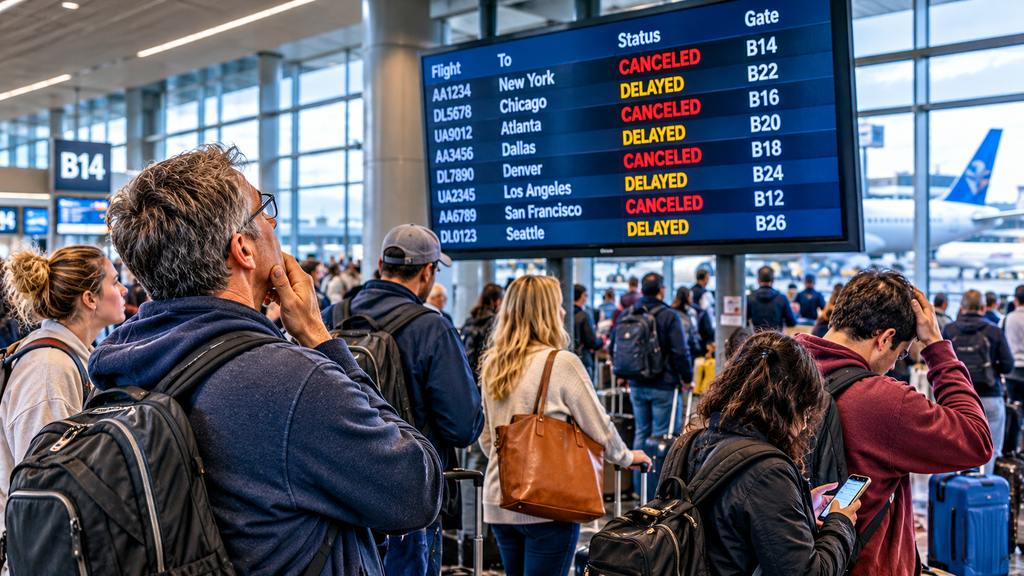
America’s air travel system experienced an extraordinary disruption Friday, November 13, when the Federal Aviation Administration (FAA) ordered a nationwide ground stop that temporarily halted departing flights across the country. The restriction was lifted Friday evening, but the consequences are still being felt Saturday as airlines struggle to restore schedules, reunite passengers with aircraft and crews, and clear a massive backlog of canceled and delayed flights.
This was not a permanent airport closure. It was a nationwide safety-related grounding of departures that lasted more than four hours. The airspace reopened around 8:15 p.m. Eastern Friday, but reopening the skies did not instantly put every airline back on schedule.
For travelers trying to reach family, business meetings, sporting events, cruise departures, or holiday destinations, the practical question is no longer simply whether airports are open. It is whether their particular flight is operating, whether a replacement flight is available, and whether an alternative transportation plan could get them there sooner.
This report examines what happened, what caused the shutdown, how long the disruption could last, and how travelers can use buses, Amtrak, hotels, and rail adventures to salvage their travel plans.
What Caused the Airport Shutdown?
The immediate cause was a telecommunications problem affecting the FAA’s air traffic control network.
According to Transportation Secretary Sean Duffy’s November 14 briefing, a contractor was performing routine maintenance at a remote FAA location, replacing aging copper telecommunications lines with modern fiber connections. During the conversion process, a router apparently began flooding other routers in the air traffic control network with excessive connection attempts.
Officials reported more than 1,000 connection attempts every four to five seconds. This overload created intermittent problems affecting communications with aircraft and some radar feeds. Because air traffic controllers must be able to communicate reliably with aircraft and maintain appropriate surveillance, the FAA decided to stop departures as a precaution.
The contractor involved was L3Harris, a longtime provider of telecommunications infrastructure for the FAA. Officials said the investigation was examining whether the failure resulted from installation mistakes, contractor error, or defective equipment. A definitive explanation had not yet been established at the time of the briefing.
Importantly, authorities said they had no indication that the outage resulted from a cyberattack. The grounding was described as a safety decision rather than a response to a confirmed security threat.
How Big Was the Disruption?
The nationwide ground stop created one of the most significant air travel disruptions in decades.
The FAA expected U.S. air travel to normalize by Sunday, November 15. However, the stoppage caused widespread cancellations, delays, missed connections, and aircraft repositioning problems.
The problem was not limited to passengers whose flights were scheduled during the actual shutdown.
Airlines operate complicated networks. An aircraft scheduled to fly from Boston to Chicago may have arrived late from another city. A crew may have reached its legal duty limit. A connecting passenger may have missed a flight that was still technically operating.
Consequently, even flights scheduled hours after the ground stop could be affected.
How Long Can Travelers Expect Disruptions?
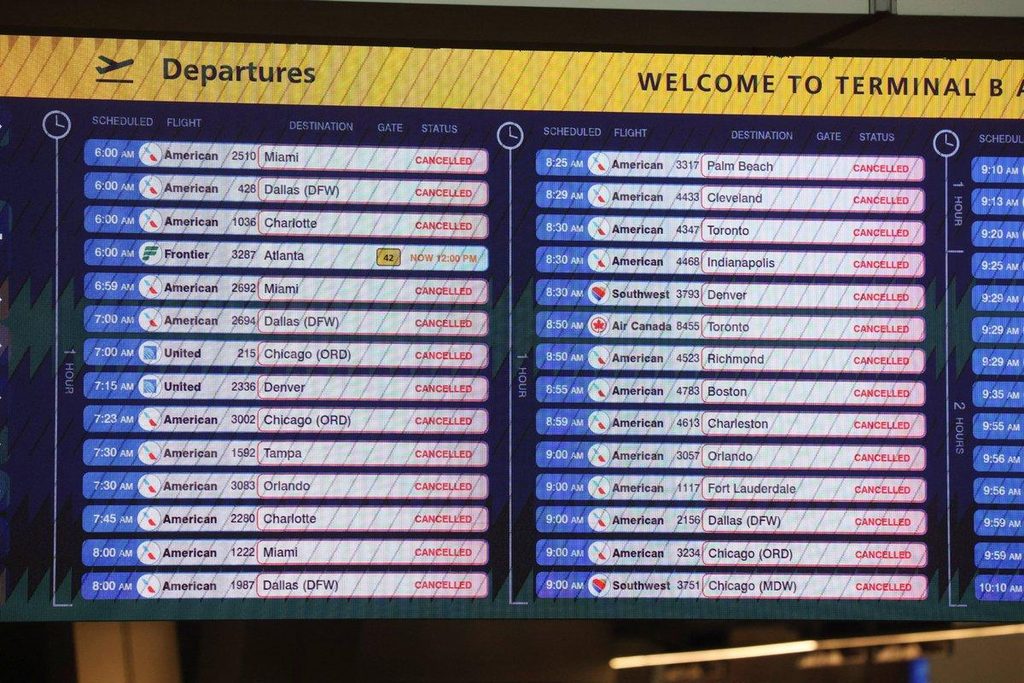
The nationwide ground stop itself is over.
The FAA reopened departures Friday evening, and flights resumed. The remaining challenge is restoring normal airline operations.
Officials expected the system to recover toward normal by Sunday, November 15, although individual travelers could experience cancellations and delays beyond that date. Weather, crew availability, aircraft positioning, and crowded airports could complicate the recovery.
Travelers should therefore distinguish between three different situations:
- Airport closure: An airport physically stops operating or restricts operations.
- Ground stop: Departures are temporarily held because of a safety, weather, or operational issue.
- Airline disruption: Flights may continue operating, but schedules are affected by aircraft, crew, connections, or cancellations.
The present situation is primarily an airline recovery problem following a nationwide ground stop.
For passengers, the best approach is to verify each flight individually rather than assume every airport remains closed.
The Traveler’s Survival Guide: Check Before You Cancel
The first rule for travelers is simple: do not automatically abandon an airline ticket because the news says flights are disrupted.
A flight may still be operating even when dozens of others are canceled. Before purchasing another ticket or reserving a hotel, passengers should:

- Check the airline’s website or mobile application for the exact flight number.
- Confirm whether the flight is canceled, delayed, or still scheduled.
- Ask whether the airline can rebook you through a different connecting city.
- Check whether your destination airport has better service from another nearby airport.
- Review the airline’s disruption policy before purchasing a replacement ticket.
- Save receipts for hotels, meals, transportation, and other expenses.
Passengers whose flights are canceled should contact their airline through its application, telephone service, or customer-service desk. Airlines are generally required to provide refunds when they cancel a flight and the passenger chooses not to travel, rather than accepting alternative transportation. Rebooking policies and hotel assistance vary according to the airline and circumstances.
Travelers should also remember that purchasing a completely separate bus or train ticket may mean forfeiting the original flight if they fail to cancel or coordinate it properly.
Land-Based Alternatives: The Bus and Train Could Save the Trip
For travelers covering shorter and medium-distance journeys, ground transportation could become a practical alternative.
The United States has several established intercity transportation providers offering routes between major cities, although availability, departure frequency, and travel times vary considerably.
FlixBus: An Affordable Alternative for City-to-City Travel
FlixBus is worth investigating for travelers who need to move between cities without flying.
The service operates intercity coach routes in numerous American markets, often connecting metropolitan areas, transportation hubs, and downtown locations.
Its appeal is straightforward: travelers can compare departure times and fares online, reserve seats, and avoid the uncertainty of airline connections.
For someone whose flight from Dallas to Houston has been canceled, a bus might be a practical alternative depending on the destination and schedule.
For longer trips, however, passengers should compare the total journey time carefully. A bus may require many hours where an airplane would ordinarily take less than two. Get 4% cashback on Flix.
Website: https://www.flixbus.com/
Megabus: Another Option for Budget-Conscious Travelers
Megabus has traditionally focused on affordable intercity travel, particularly in major metropolitan corridors.
Passengers should check its current route network and service availability before making plans, since schedules and operating markets can change.
Megabus may be useful for travelers moving between cities where its services remain available, especially when airline fares for replacement travel have become expensive. Get cashback on Mega Bus.
Website: https://us.megabus.com/
Greyhound: A Nationwide Name in Bus Travel

Greyhound remains another important option for people looking for intercity transportation.
Its network connects numerous cities and towns, making it potentially useful for passengers whose travel plans involve destinations beyond the largest airline hubs.
Greyhound can be particularly relevant when a traveler needs to reach a city that is not conveniently served by a nonstop airline route. Get up to 5% cashback on Greyhound.
Website: https://www.greyhound.com/
Amtrak: The Rail Alternative Worth Checking First

Amtrak offers a different travel experience from buses, with passenger trains connecting major cities and regional destinations.
Depending on the route, rail travel can provide comfortable seating, onboard food service, luggage options, and the ability to move around during the journey.
For East Coast passengers, routes between Washington, Philadelphia, New York, and Boston are particularly worth examining. Travelers in other parts of the country should compare available Amtrak routes with their airline itineraries.
Website: https://www.amtrak.com/
Bus and rail seats can sell out during major disruptions. Travelers should confirm departure times, terminal locations, baggage rules, connections, and arrival schedules before booking.
Texas Travelers: Finding a Cheap Hotel Stay
Texas is a massive travel market, and an airport disruption can leave passengers needing an overnight stay in Dallas, Houston, Austin, San Antonio, or another metropolitan area.
Travelers seeking a cheap hotel in Texas should begin by searching near their actual transportation needs rather than simply selecting the lowest advertised room rate.
A hotel near Dallas-Fort Worth International Airport may be convenient for a rebooked flight, while a property closer to downtown Dallas might be better for someone switching to an intercity bus.

Useful hotel-search strategies include:
- Compare airport hotels with downtown properties.
- Look for free airport shuttle service where available.
- Check whether breakfast is included.
- Confirm late-night check-in availability.
- Compare the total price after taxes and fees.
- Ask whether cancellation is flexible.
- Verify the shuttle schedule rather than assuming it operates all night.
A budget hotel in Texas can become an unexpected vacation opportunity, particularly if a traveler has a flexible schedule and decides to spend a day exploring the destination.
Michigan: A Nice Motel Could Turn a Delay Into a Road Trip

Michigan offers travelers a different kind of getaway, especially those who enjoy lakes, scenic drives, small towns, and seasonal outdoor activities.
A nice motel in Michigan might be an appealing choice for someone stranded near Detroit or traveling through the Great Lakes region.
Rather than treating the extra night as nothing but an inconvenience, travelers could consider exploring a nearby destination.
Detroit offers museums, restaurants, automotive attractions, and cultural experiences. Elsewhere in Michigan, visitors can discover lakeside communities, historic towns, and scenic countryside.
The key is to avoid booking a property too far from the next departure point. A beautiful motel several hours away could complicate a rebooked flight or train.
Boston: A Hotel Stay With Plenty to Explore

Boston is another destination where an unexpected overnight stay can become an enjoyable experience.
Travelers searching for a nice hotel in Boston can consider properties near Back Bay, the waterfront, downtown, or neighborhoods with convenient public transportation.
The city offers historic attractions, museums, waterfront walks, restaurants, and shopping. Visitors with a few spare hours could explore the Freedom Trail, Boston Common, or the historic neighborhoods around downtown.
For passengers affected by delays at Boston Logan International Airport, hotel location matters. A property with convenient transportation to the airport or rail station may be more useful than one selected solely for its luxury amenities.

Travelers should check availability and rates carefully, particularly when large numbers of passengers need overnight accommodations simultaneously.
A Nice Time to Take a Rail Tour?
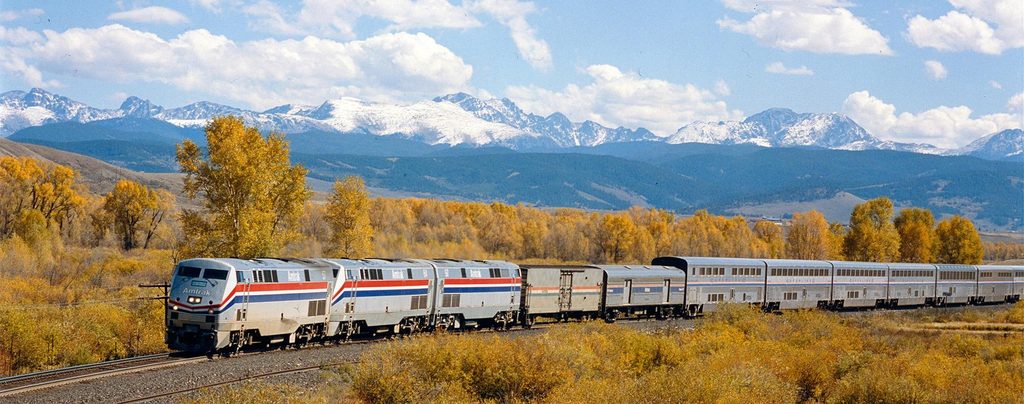
For travelers who have always wanted to experience America by train, the current aviation disruption might provide an unexpected reason to reconsider how they travel.
A rail tour can turn transportation into part of the vacation itself.
Instead of rushing through an airport, passengers can watch landscapes unfold outside the window, enjoy onboard dining, and experience destinations at a more leisurely pace.
Three Rail Adventures Worth Considering
1. California Zephyr
The California Zephyr travels between Chicago and the San Francisco Bay Area, passing through spectacular scenery in the Rocky Mountains and Sierra Nevada.
It is one of America’s most celebrated long-distance passenger train journeys.
2. Empire Builder
The Empire Builder connects Chicago with the Pacific Northwest, offering views of northern landscapes and mountain scenery.
It is an appealing option for travelers interested in combining transportation with sightseeing.
3. Northeast Regional
The Northeast Regional provides frequent rail connections along the Northeast Corridor, linking Washington, Philadelphia, New York, and Boston.
For travelers dealing with disrupted flights between these cities, it may be an especially practical alternative.
These are scheduled passenger services, not guaranteed emergency replacements for airline tickets. Check Amtrak’s availability, fares, departure times, and arrival schedules before committing.
A Smart Travel Plan for the Next 48 Hours
The best way to navigate this disruption is to compare several possibilities before spending additional money.
Option A: Stay With the Airline
- Check the flight status.
- Request the earliest reasonable rebooking.
- Ask about alternate airports and connections.
- Confirm hotel assistance or refund eligibility.
Option B: Switch to Ground Transportation
- Compare FlixBus, Megabus, and Greyhound.
- Search Amtrak for available seats.
- Calculate travel time to the terminal.
- Confirm the destination is reachable without another connection.
Option C: Stay Overnight
- Find a cheap hotel in Texas or another nearby destination.
- Consider a nice motel in Michigan.
- Look for a nice hotel in Boston.
- Check cancellation terms and transportation.
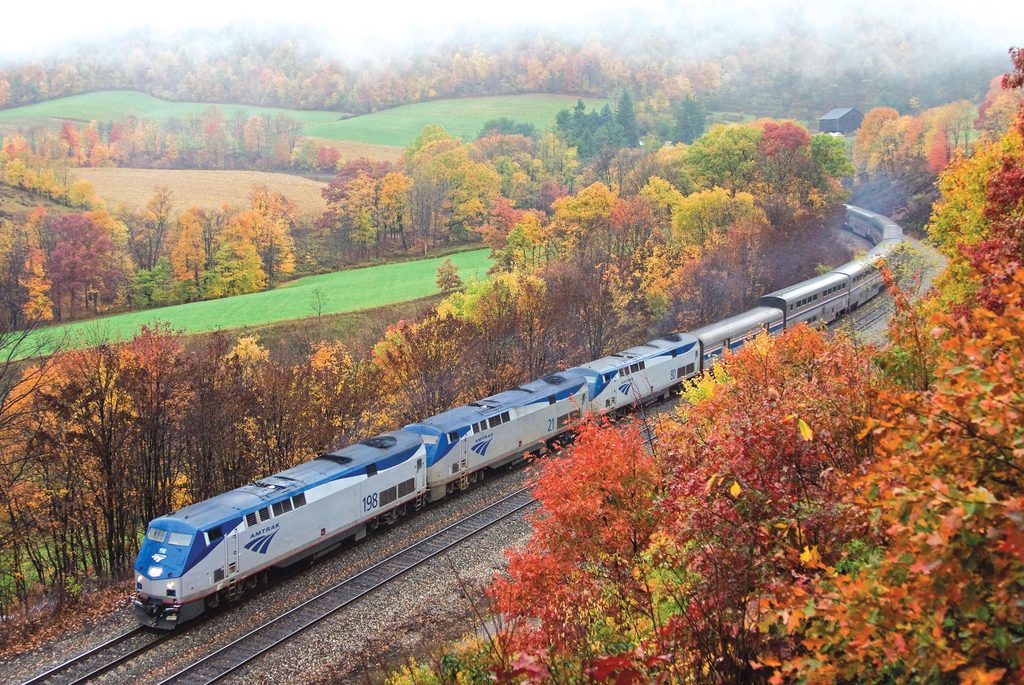
Option D: Turn It Into a Rail Vacation
- Explore scenic Amtrak routes.
- Compare coach and sleeper accommodations.
- Check station connections and luggage requirements.
- Consider extending the trip into a rail tour.
Final Travel Report: The Sky Is Open, but Patience Is Still Required
America’s November 13 nationwide airport disruption was a serious aviation event, but it was not an indefinite airport shutdown.
The FAA lifted its ground stop Friday evening after telecommunications problems affected air traffic control communications and radar systems. Flights resumed, and officials expected the national airline system to recover toward normal operations by Sunday.
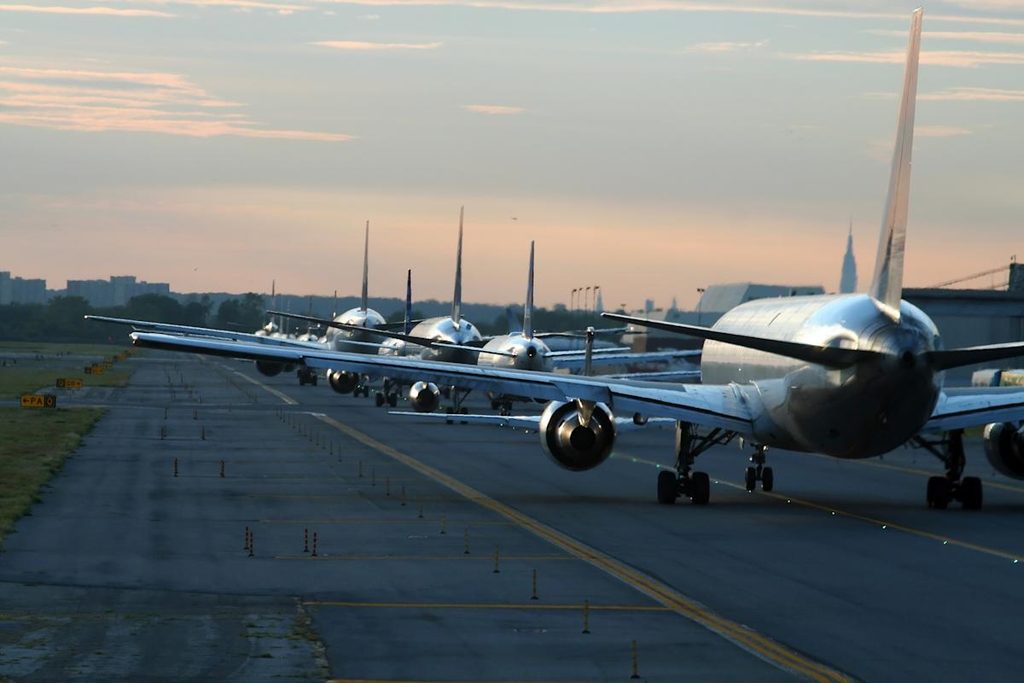
The immediate lesson for travelers is to remain flexible.
If your flight is canceled, investigate rebooking and refunds before purchasing an entirely new journey. If the destination is reachable by bus or train, compare those alternatives. If you need to spend a night somewhere, consider a practical hotel rather than allowing the disruption to ruin the entire trip.
And if your schedule allows it, perhaps this is the perfect opportunity to experience America from a different perspective.
A scenic rail journey, a comfortable hotel, or a spontaneous weekend in a new city might turn a frustrating travel interruption into an unexpected adventure.
Fast Travel Verdict: Check your flight, know your alternatives, keep your receipts, and remember that sometimes the best journey is the one that takes a different route.
News reporting reflects information available November 14, 2026. Airline and transportation schedules can change rapidly.