JAPANESE TUNING HISTORY • ROTARY POWER • ONE-OFF ENGINEERING
When Japan’s Tuning Scene Went Absolutely Wild
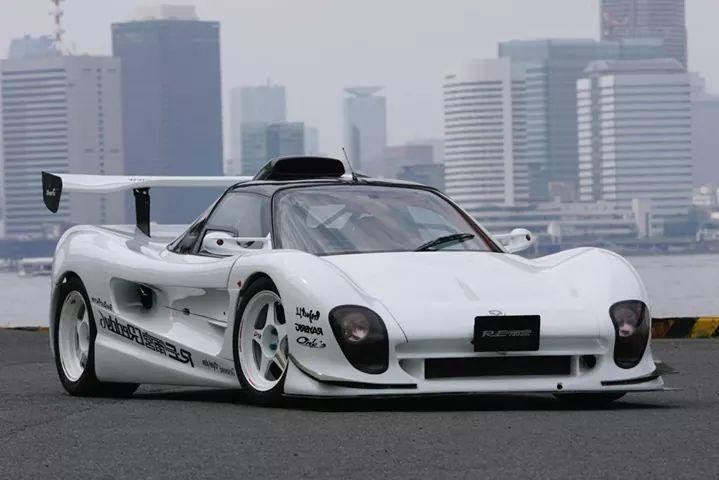
If there was ever a Japanese performance car that deserved its own chapter in the history books, the 1996 RE Amemiya GReddy VI-AZ1 would be a serious contender. Imagine taking one of Japan’s smallest, most unusual sports cars, stripping away nearly everything that made it recognizable, and transforming it into a turbocharged, three-rotor, Group C-inspired machine. That was the extraordinary vision behind the GReddy VI-AZ1.
Created by legendary rotary specialist RE Amemiya in cooperation with TRUST/GReddy, this one-off creation was not simply another body kit project or engine swap. It was a dramatic engineering experiment that combined the compact mid-engine platform of the Mazda Autozam AZ-1 with technology and components associated with much larger racing machines.
The result was a vehicle that looked as though a Le Mans prototype had somehow escaped from the pit lane and found itself on Japanese streets.
The GReddy VI-AZ1 first appeared at the 1996 Tokyo Auto Salon, where its aggressive red-and-gold appearance, exotic proportions, and outrageous mechanical specifications captured attention. It would become one of the most memorable creations in RE Amemiya’s GReddy series, a lineup celebrated for its radical rotary-powered Mazda builds.
The AZ-1 Foundation: A Tiny Car With Enormous Potential
To understand the GReddy VI-AZ1, it helps to appreciate the original car that inspired it.
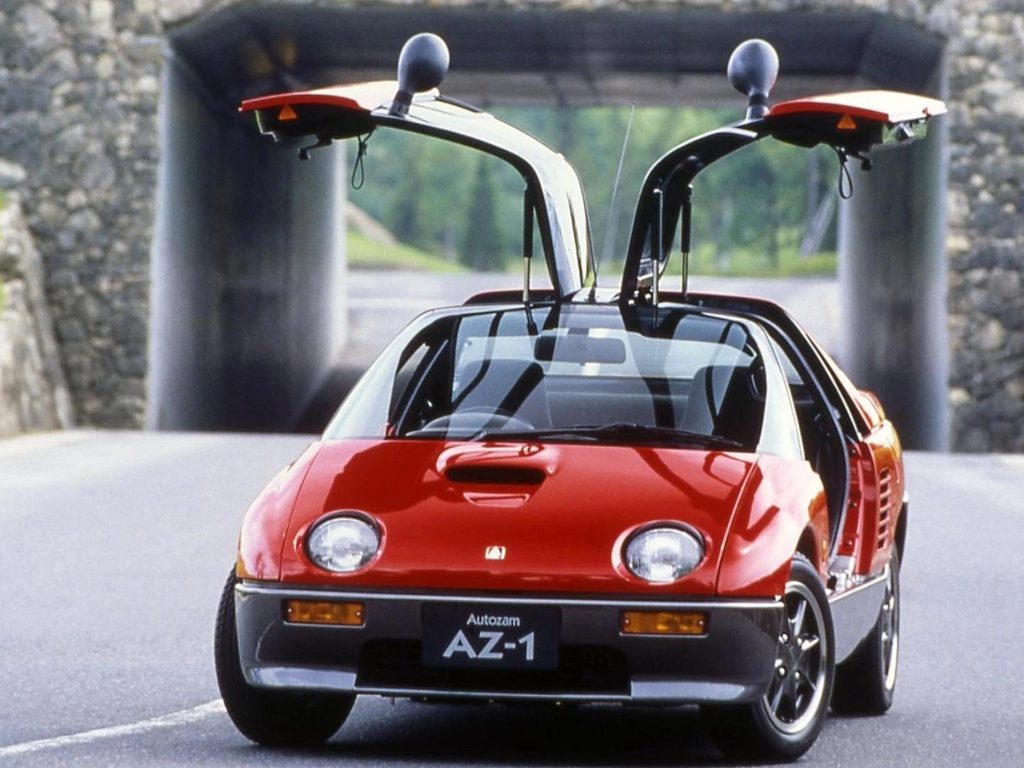
The Autozam AZ-1 was introduced by Mazda in the early 1990s as part of Japan’s kei-car sports car movement. It was a remarkably unconventional little machine, featuring a compact mid-engine layout, rear-wheel drive, and distinctive gullwing doors. Its lightweight construction and small dimensions made it an interesting platform for performance enthusiasts.
The production AZ-1 was powered by a 657cc turbocharged three-cylinder engine. Under Japanese kei-car regulations, its output was approximately 64 horsepower. While that number might sound modest by modern sports-car standards, the AZ-1 was designed around light weight, agility, and an entertaining driving experience.
But RE Amemiya had a considerably more ambitious plan.
Rather than merely enhancing the factory engine, the company used the AZ-1’s cabin and basic platform as the starting point for a much more extreme machine. The original gullwing-door design provided a visual connection to the production car, but the GReddy VI-AZ1’s custom bodywork transformed its overall appearance.
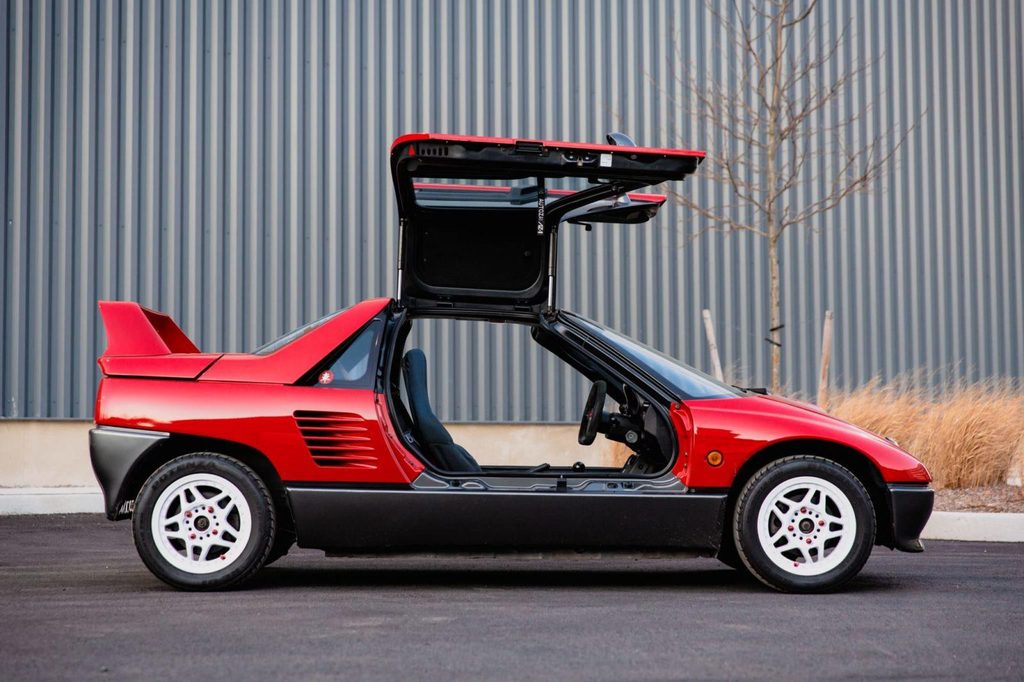
The result was a car that seemed to have been designed for a completely different category of motorsport.
The project demonstrated an important principle of Japanese tuning culture: a small production car could become the foundation for something extraordinary when engineering creativity was allowed to take center stage.
The Heart of the Beast: A Turbocharged 20B Rotary Engine
The biggest talking point of the RE Amemiya GReddy VI-AZ1 was undoubtedly its engine.
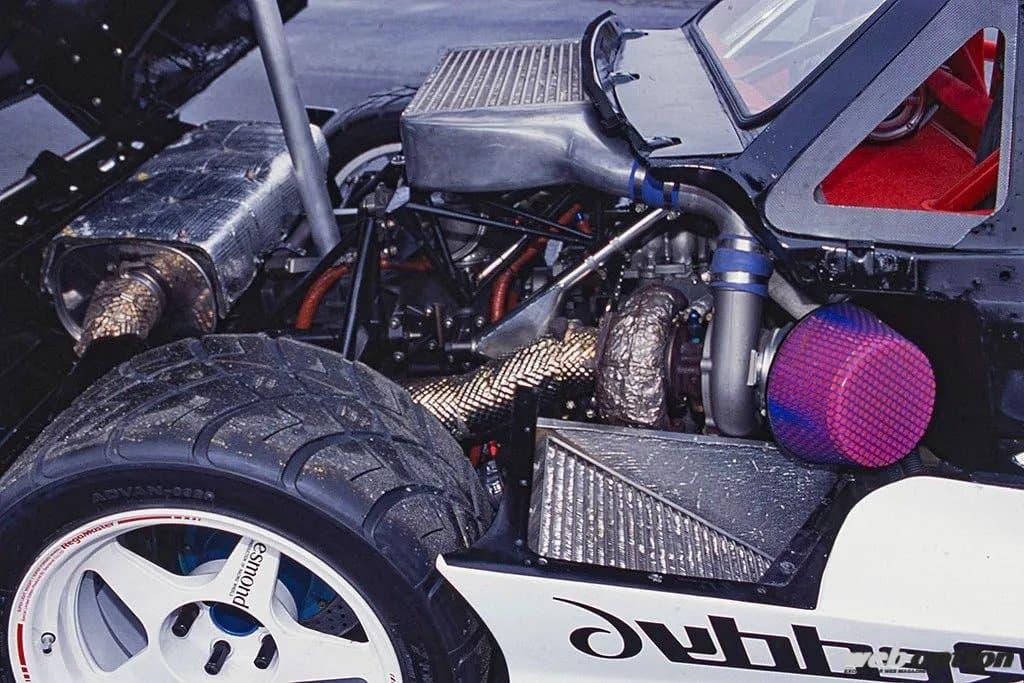
Instead of retaining the original 657cc kei-car powerplant, RE Amemiya installed a turbocharged 20B rotary engine. The 20B was a three-rotor Wankel engine associated with Mazda’s luxurious Eunos Cosmo, and it represented a major leap in displacement and performance potential compared with the original AZ-1 motor.
The GReddy VI-AZ1 used a modified 20B-T setup featuring a TRUST T78-series turbocharger. Sources describing the car’s specifications identify the turbo system as a T78-33D or T78-33G variant, so the exact designation varies across published accounts.
The rotary engine’s unusual design made it especially attractive for a project of this nature.
Unlike a conventional piston engine, a Wankel rotary uses triangular rotors moving within specially shaped housings. Combustion occurs through a continuous rotational process rather than the reciprocating motion of pistons and connecting rods.
Rotary engines are known for their compact size, smooth operation, and ability to produce substantial power relative to their physical dimensions.
For the GReddy VI-AZ1, these characteristics made the three-rotor configuration a fascinating choice. A powerful engine could be installed in a relatively compact vehicle while maintaining the exotic character that RE Amemiya wanted to achieve.
Published output estimates vary. Some accounts cite around 500 PS, while other historical reporting describes approximately 550 PS. These figures should be treated as reported specifications rather than a single universally confirmed dyno result.
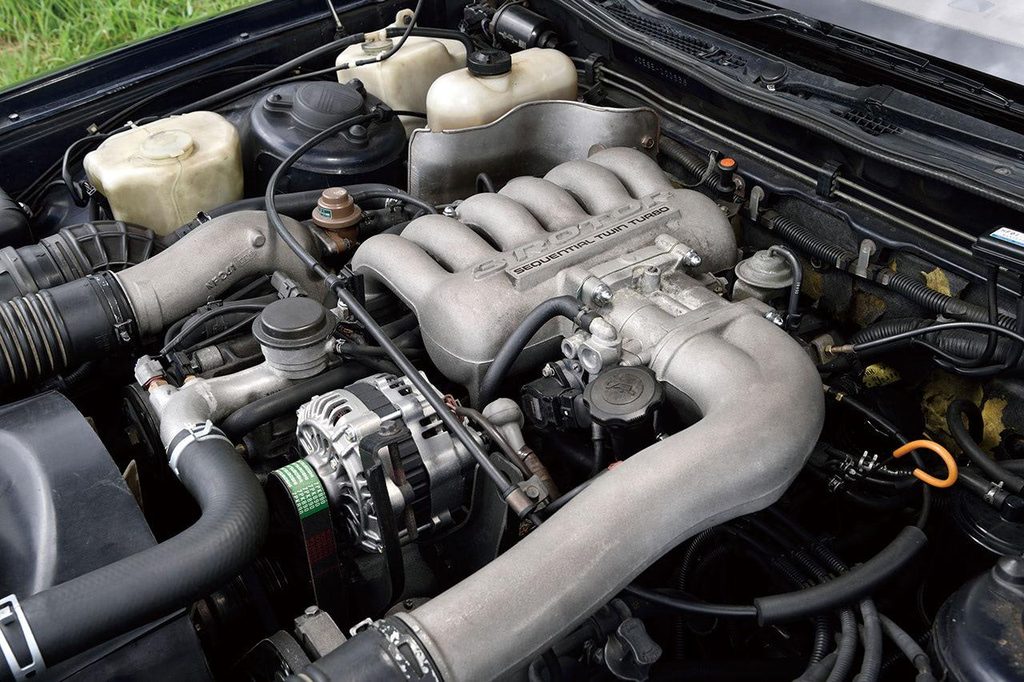
Regardless of which estimate is used, the GReddy VI-AZ1’s power output was astonishing compared with the production AZ-1.
The transformation from a 64-horsepower kei sports car to a several-hundred-horsepower rotary machine is precisely what made this project so fascinating.
A Racing-Inspired Body That Looked Like a Le Mans Prototype
The GReddy VI-AZ1’s exterior was another reason it became an automotive legend.
Its styling was heavily influenced by exotic racing machinery, with design inspiration often associated with the Yamaha OX99-11 and the McLaren F1. Rather than looking like a conventional street-tuned AZ-1, the vehicle featured an elongated, aggressive silhouette that appeared much closer to a prototype endurance racer.
The custom bodywork was developed by RE Amemiya. The original AZ-1’s compact cabin and gullwing doors remained recognizable, but the surrounding body was dramatically altered.
A roof-mounted air intake was one of the vehicle’s most striking features. It visually connected the GReddy VI-AZ1 to high-performance racing cars, where engine cooling and airflow management are essential.
The rear section was equally dramatic. Its design featured broad bodywork, a distinctive rear profile, and aerodynamic elements that made the car look far more substantial than its original kei-car dimensions.
The GReddy VI-AZ1 was not designed to blend into traffic. It was built to attract attention, challenge expectations, and showcase the creativity of a tuning company that had already established itself as a major force in rotary performance.
Its proportions were unusual, but that was precisely the point.
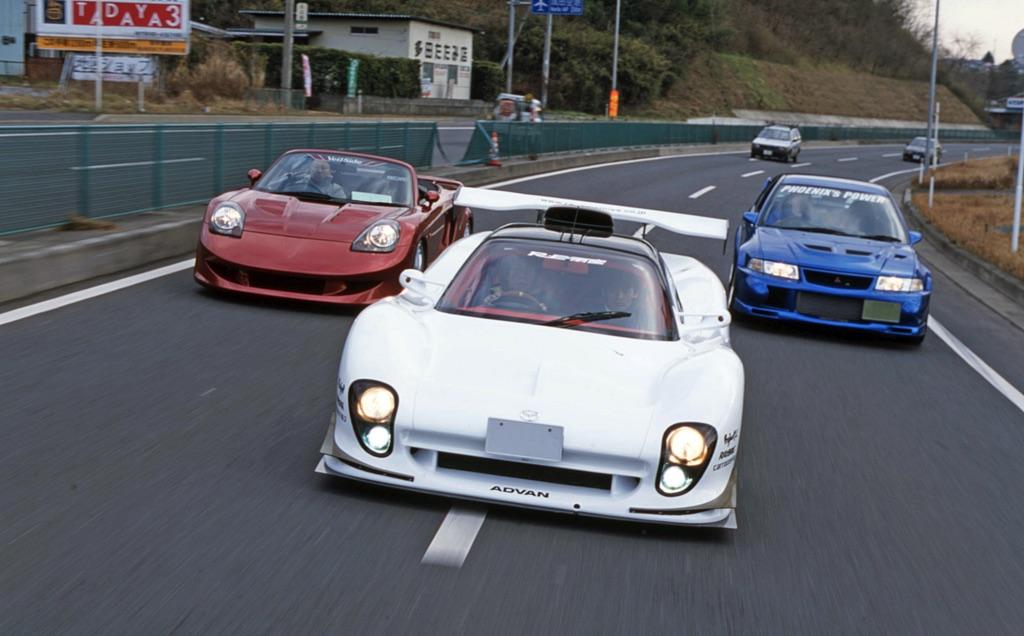
In an era when many custom cars relied on conventional styling upgrades, RE Amemiya created something that looked like it belonged in a completely different class of automotive engineering.
Porsche 962C Racing Technology: The Chassis Story
The GReddy VI-AZ1’s engineering extended far beyond its rotary engine.
One of the most remarkable elements of the project was its use of components and technology associated with the Porsche 962C Group C endurance racer.
Historical reports describe the incorporation of Porsche 962C-derived transmission and suspension components. The AZ-1’s original monocoque structure was retained as part of the foundation, with a supplementary tubular frame and custom bodywork used in the conversion. 自動車情報・ニュース – carview!
This was a substantial undertaking.

The Porsche 962 was one of the great endurance racing machines of its era. Designed for high-speed competition, it featured sophisticated suspension architecture and a drivetrain engineered to handle demanding racing conditions.
Adapting such technology to a tiny Japanese sports car required extensive fabrication and careful engineering.
The GReddy VI-AZ1 was intended to be more than a static showpiece. Its creators reportedly envisioned it as a potential endurance racing machine, including the possibility of participating in a 24-hour race.
That ambition helps explain why its mechanical transformation was so extensive.
The vehicle’s suspension was reportedly equipped with racing dampers, while its chassis setup was developed with the goal of delivering a direct, controlled driving experience.
The unusual combination of a compact AZ-1 foundation and Porsche racing hardware made the GReddy VI-AZ1 a unique experiment in automotive engineering.
It was a Japanese tuning project with the mechanical DNA of a European endurance racer.
Ferrari Braking Power: Stopping a Rotary Monster
RE-Amemiya Greddy VI-AZ1 — Anything Wheeled
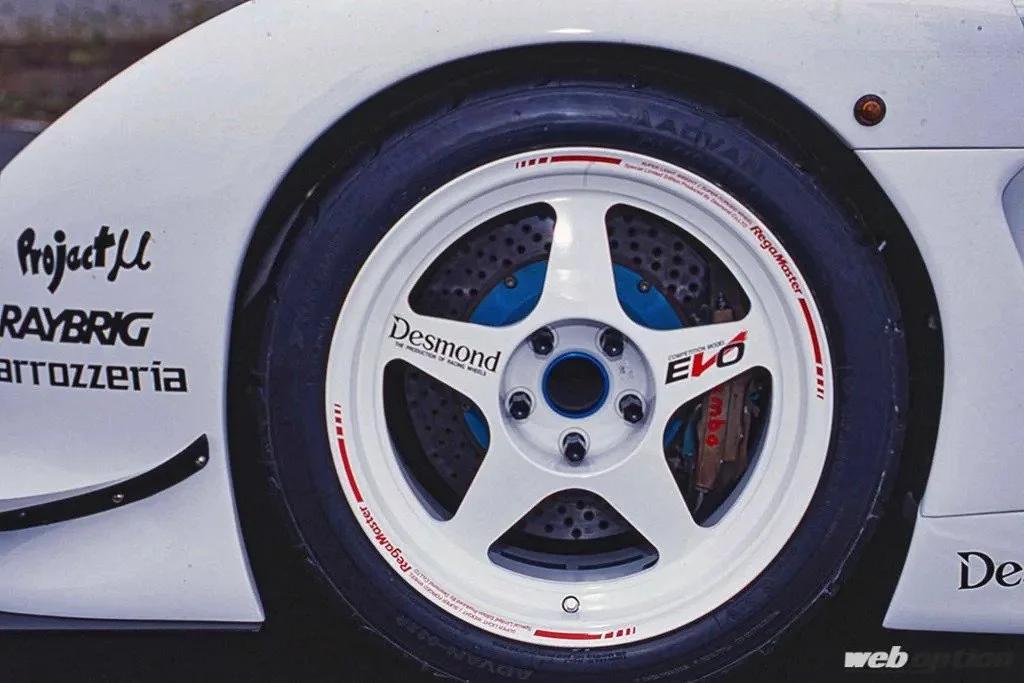
Building a high-horsepower machine is only half the challenge. Stopping it safely and consistently is equally important.
The GReddy VI-AZ1 featured serious braking hardware, including Ferrari F40-derived brakes in its original configuration. Later, when the car was updated for its 2001 Tokyo Auto Salon appearance, the braking system was reportedly upgraded to Ferrari F50 components.
The wheel and tire package was also considerably more aggressive than that of the original Autozam AZ-1.
Reports describe RE-Amemiya AW-7 wheels measuring approximately 18 inches, with wide Yokohama tires. Later updates included a different wheel arrangement and additional aerodynamic components. roadster.blog+2
The purpose was clear: this was not simply a kei car with a powerful engine installed. The chassis, suspension, wheels, brakes, and bodywork were all part of an integrated performance concept.
The GReddy VI-AZ1 demonstrated how far a specialist tuning company could go when building a vehicle around a specific performance objective.
The Interior: A Cockpit Built for Performance
While the exterior looked like a miniature prototype racer, the interior was equally interesting.
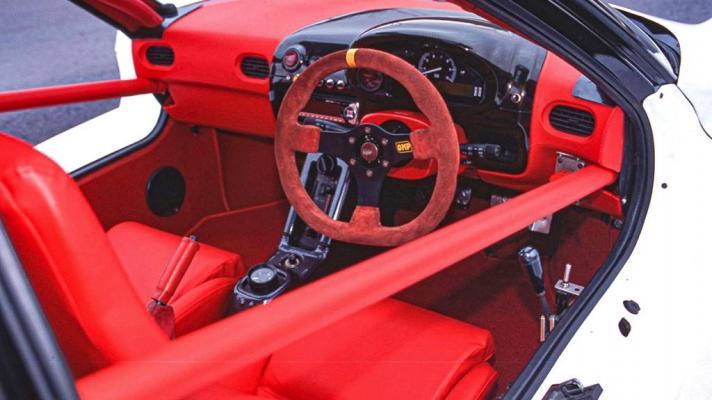
The cabin retained some recognizable Autozam AZ-1 elements, particularly the basic gullwing-door layout and compact seating arrangement. However, the vehicle received extensive modifications to support its upgraded drivetrain and racing-inspired engineering.
A full roll cage was reportedly installed, while Stack instrumentation provided important engine information such as oil temperature, water temperature, and oil pressure.
The project also featured a Pioneer Carrozzeria audio system, demonstrating that the vehicle was not conceived exclusively as a stripped-down competition machine.
One of the most interesting details was the transmission linkage. Historical accounts describe Porsche-derived components combined with custom-fabricated linkage work.
The result was a cabin that blended elements of the original AZ-1 with the specialized equipment of a much more serious performance car. roadster.blog+1
That combination is part of the GReddy VI-AZ1’s charm.
It was an extraordinary mechanical creation, but it still carried a trace of the quirky little Japanese sports car that inspired it.
From the 1996 Tokyo Auto Salon to Its 2001 Comeback
The GReddy VI-AZ1 first appeared at the 1996 Tokyo Auto Salon wearing a distinctive red-and-gold color scheme.
Its debut was part of RE Amemiya’s continuing GReddy series, which had become famous for radical Mazda rotary-based show cars.
The GReddy VI-AZ1 received recognition at the 1996 event, earning an award in the complete-car category. The official RE Amemiya GReddy series history also records it as a highly popular display vehicle. re-amemiya.co.jp+1
Following its initial appearance, the car reportedly spent considerable time stored away. Accounts indicate that it was driven at Twin Ring Motegi on one occasion before returning to storage.
Then came an unexpected second act.
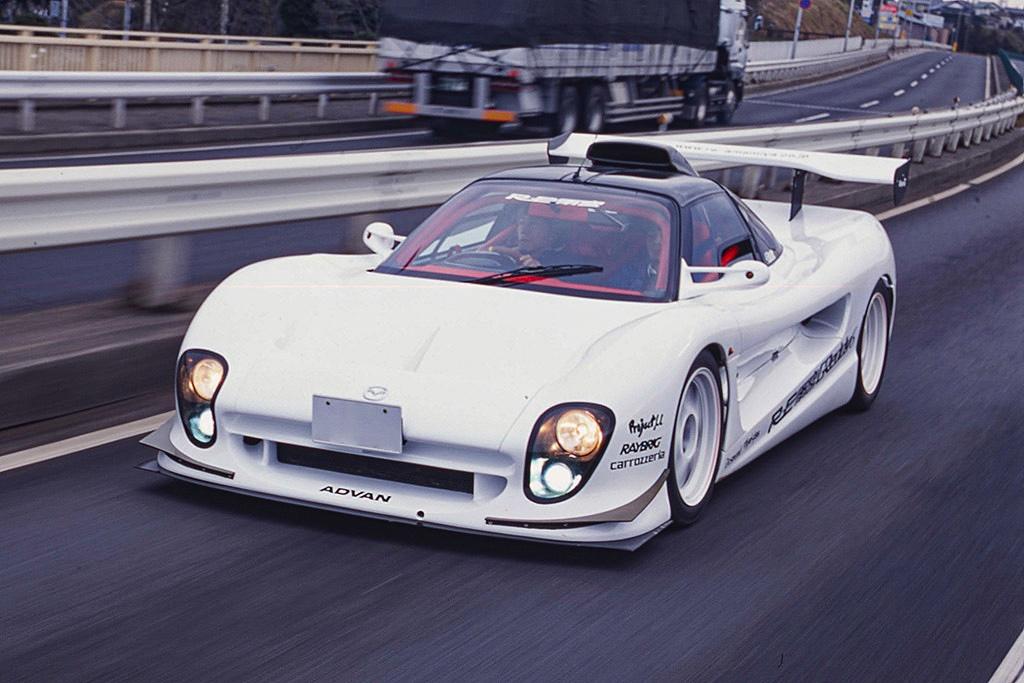
In January 2001, the GReddy VI-AZ1 reappeared at the Tokyo Auto Salon. This time, it wore a white paint finish with revised graphics and updated aerodynamic details.
The updated vehicle was presented as GReddy6-AZ1 ’00 White Color.
The 2001 version featured additional aerodynamic equipment, including a front splitter, canards, and a large rear wing. Its wheels and brakes were also updated.
The comeback was remarkable because the GReddy VI-AZ1 had not simply disappeared into automotive history. It returned as a fully developed show car with a new appearance and renewed attention.
Contemporary Japanese automotive reporting described the car as having been registered for road use, making its unusual combination of prototype-style engineering and street-car status even more intriguing. レスポンス(Response.jp)+2
Reported Technical Specifications
Specifications compiled from historical automotive reporting. Some details vary between sources and build stages.
| Category | Reported specification |
|---|---|
| Vehicle | RE Amemiya GReddy VI-AZ1 |
| Debut | 1996 Tokyo Auto Salon |
| Base vehicle | Mazda Autozam AZ-1 |
| Engine | Mazda 20B three-rotor rotary |
| Engine configuration | Turbocharged |
| Turbocharger | TRUST T78-series |
| Reported horsepower | Approximately 500–550 PS |
| Transmission | Porsche 962C-derived racing transmission |
| Chassis | AZ-1 monocoque with additional tubular structure |
| Suspension | Porsche 962C-derived components |
| Original brakes | Ferrari F40-derived |
| Later brakes | Ferrari F50-derived |
| Original exterior | Red and gold |
| 2001 exterior | White with revised aero |
| Production status | One-off specialty build |
Why the RE Amemiya GReddy VI-AZ1 Earned Its Iconic Reputation
The automotive world has seen countless modified vehicles, but very few achieve the historical significance of the GReddy VI-AZ1.
Its reputation comes from several factors.
First, its engine conversion was extraordinary. Replacing the tiny factory engine with a turbocharged three-rotor 20B rotary created a dramatic performance contrast that captured the imagination of enthusiasts.
Second, the GReddy VI-AZ1 incorporated racing technology in a way that was rarely seen in a street-oriented Japanese custom car. Porsche 962C-derived components and Ferrari braking hardware gave it an engineering story that went far beyond cosmetic modification.
Third, its styling was completely original. The car did not simply imitate an existing production sports car. RE Amemiya developed a distinctive body that blended the spirit of Japanese tuning with the appearance of a European endurance prototype.
Finally, the vehicle was a product of an important period in Japanese automotive culture.
During the 1990s, Japan’s tuning industry was experimenting with increasingly ambitious builds. Rotary-powered Mazdas, turbocharged sports cars, custom aero kits, and show-car engineering were all part of an exciting performance scene.
The GReddy VI-AZ1 captured that spirit in a single machine.
It was a reminder that automotive innovation did not always require a large manufacturer or a massive production budget. Sometimes, a small team of dedicated engineers and fabricators could create something that would remain unforgettable decades later.
Fast Car Verdict: A Japanese Tuning Masterpiece
The 1996 RE Amemiya GReddy VI-AZ1 remains one of the most fascinating one-off creations in Japanese automotive history.
Its transformation from the tiny Autozam AZ-1 into a turbocharged rotary-powered prototype-style machine was a remarkable display of imagination and engineering ambition.
The car combined a 20B rotary engine, Porsche racing components, Ferrari braking hardware, custom aerodynamic bodywork, and a unique visual identity.
Its return to the Tokyo Auto Salon in 2001 added another chapter to its story, helping preserve its place in the history of Japan’s legendary tuning scene.
The GReddy VI-AZ1 was not merely a modified car. It was a rolling demonstration of what happens when engineers refuse to accept the limitations of a production vehicle.
Small beginnings. Massive ambition. Rotary-powered history.
The RE Amemiya GReddy VI-AZ1 is a true Fast Car legend.