By Gracus Bloom – City-Paper
Collecting United States coins has long been one of America’s favorite hobbies. While many coins are treasured because of their age, others owe their legendary status to low mintages, beautiful artistry, historic significance, or fascinating stories surrounding their production. Precious metal coins made from silver and gold have especially captivated collectors for generations, combining intrinsic metal value with historical importance.
Today, rare coins routinely sell for thousands—and sometimes millions—of dollars at auction. Many investors also appreciate that gold coins as an inflation hedge can provide diversification during periods of economic uncertainty, while historic silver coins hold value because of both their precious metal content and numismatic appeal.
Here are four of America’s most celebrated collectible coins and the remarkable stories behind them.
1. 1907 Saint-Gaudens Double Eagle ($20 Gold)
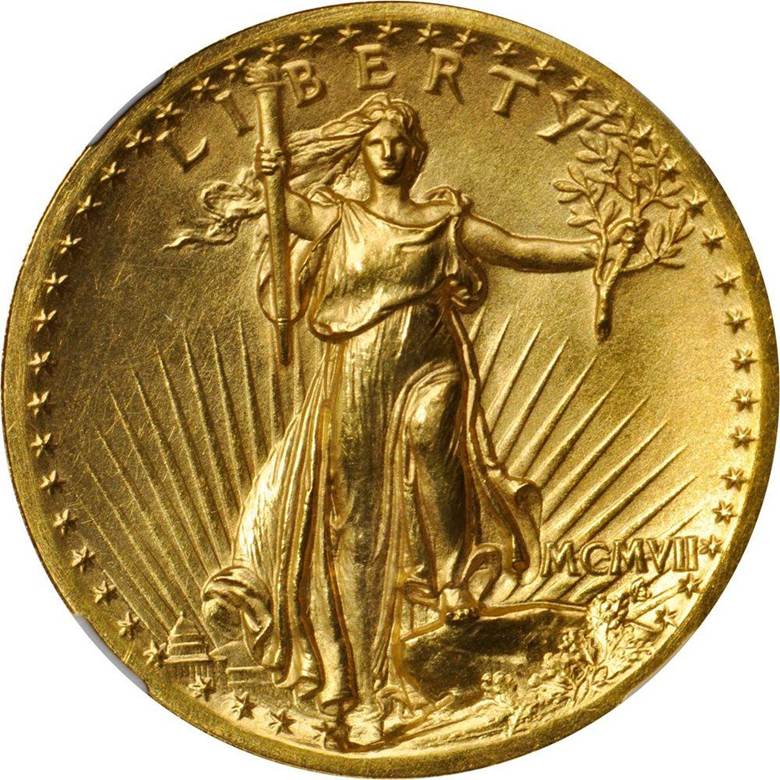
Few coins are considered as beautiful as the 1907 Saint-Gaudens Double Eagle.
President Theodore Roosevelt believed American coinage lacked artistic excellence compared to Europe’s finest medals. He recruited renowned sculptor Augustus Saint-Gaudens to redesign U.S. gold coinage, resulting in what many experts consider America’s greatest coin design.
Specifications
- Year Introduced: 1907
- Denomination: $20
- Composition: 90% Gold, 10% Copper
- Weight: 33.436 grams
- Gold Content: 0.9675 troy ounce
- Diameter: 34 mm
Engraver
The design was created by celebrated sculptor Augustus Saint-Gaudens, with assistance from the U.S. Mint following his death during the project’s completion.
Mint Locations
The Double Eagle was struck at:
- Philadelphia
- Denver
- San Francisco
Why It Was Created
Roosevelt envisioned a coin that reflected America’s growing influence in the world. Lady Liberty strides confidently forward holding a torch and olive branch, while a soaring eagle graces the reverse.
Why Collectors Love It
Collectors admire:
- Extraordinary artwork
- High gold content
- Historic connection to Theodore Roosevelt
- Numerous collectible date and mintmark combinations
High-grade examples routinely command significant premiums above their bullion value.
2. 1893-S Morgan Silver Dollar
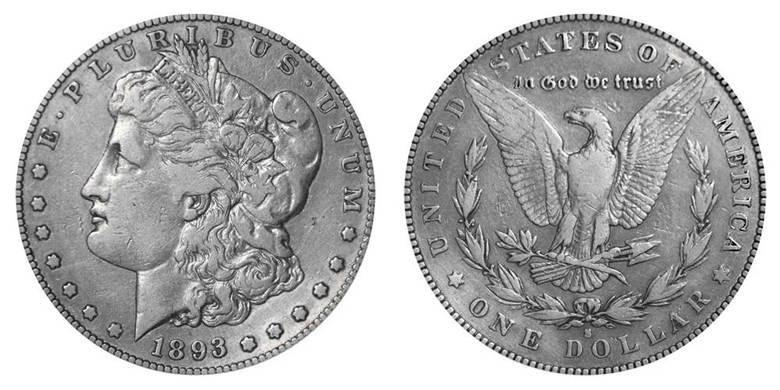
Among silver dollars, few are more famous than the elusive 1893-S Morgan Dollar.
Specifications
- Year: 1893
- Composition: 90% Silver, 10% Copper
- Silver Content: 0.7734 troy ounce
- Weight: 26.73 grams
Engraver
Designed by George T. Morgan, whose profile of Liberty became one of the most recognizable images in American numismatics.
Mint
- San Francisco Mint (“S” mintmark)
How It Came To Be
The Morgan Dollar series began in 1878 following legislation requiring the government to purchase large quantities of domestic silver.
By 1893, silver demand had declined and production slowed dramatically.
Only 100,000 business-strike examples were produced at San Francisco.
Why It Is Valuable
Many examples entered circulation and wore heavily over decades.
Mint State survivors are exceptionally scarce, making the 1893-S one of the “holy grails” of Morgan Dollar collecting.
Its combination of rarity, silver content, and historical importance continues to drive strong demand.
3. 1916 Standing Liberty Quarter
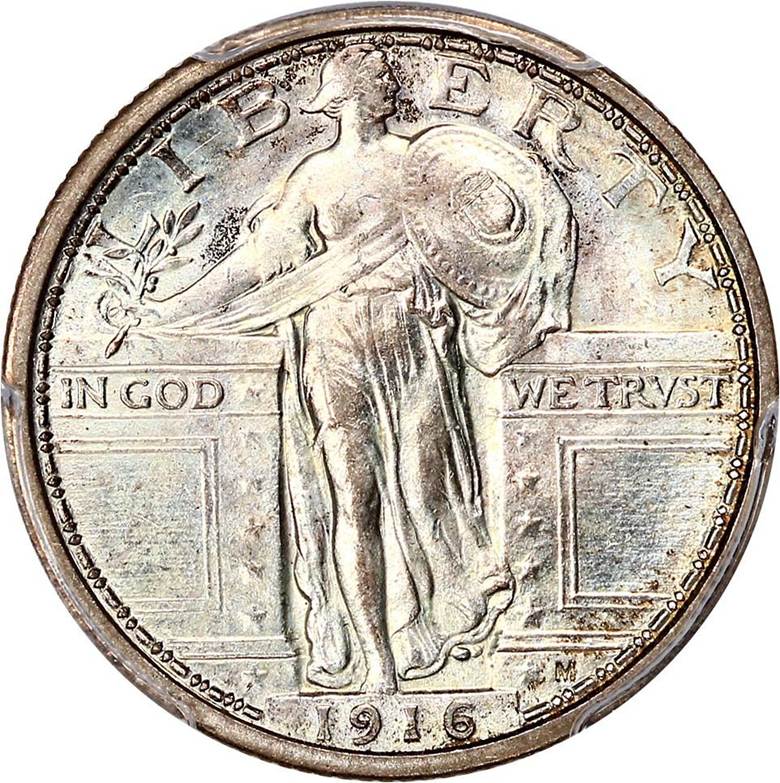
When introduced, the Standing Liberty Quarter represented a dramatic artistic departure from earlier American coinage.
Specifications
- Year: 1916
- Composition: 90% Silver, 10% Copper
- Weight: 6.25 grams
- Silver Content: 0.1808 troy ounce
Engraver
Designed by Hermon A. MacNeil, an accomplished sculptor commissioned by the U.S. Mint.
Mint
- Philadelphia
Only 52,000 pieces were struck before the design was modified the following year.
Why It Was Produced
The early twentieth century saw a national movement to beautify U.S. coinage.
Lady Liberty was depicted standing confidently with shield and olive branch, symbolizing both peace and preparedness.
Why Collectors Prize It
Its exceptionally low mintage makes the 1916 issue one of the most sought-after twentieth-century silver coins.
Well-preserved specimens routinely command impressive auction prices.
4. 1933 Double Eagle
Perhaps no American coin possesses a more mysterious history than the 1933 Double Eagle.
Specifications
- Date: 1933
- Composition: 90% Gold
- Weight: 33.436 grams
- Gold Content: 0.9675 troy ounce
Designer
Augustus Saint-Gaudens
Mint
Philadelphia
A Coin That Was Never Released
More than 445,000 examples were struck.
However, during the Great Depression, President Franklin Roosevelt removed the United States from the domestic gold standard and ordered most gold coins withdrawn before they entered circulation.
Nearly every 1933 Double Eagle was melted.
A small number escaped destruction, leading to decades of legal disputes.
Why It Became Legendary
One authenticated privately owned example sold for millions of dollars, becoming one of the most valuable coins ever auctioned.
Its rarity stems not from low production but from nearly complete destruction.
The Role of America’s Historic Mints
Several U.S. Mint facilities contributed to these famous coins:
- Philadelphia Mint – America’s original mint, producing countless historic issues.
- San Francisco Mint – Famous for many low-mintage collectible coins.
- Denver Mint – Produced later Saint-Gaudens Double Eagles and numerous collectible gold pieces.
- New Orleans Mint – Known for earlier Morgan Dollars and Southern coinage.
- Carson City Mint – Although not represented among the four coins above, its “CC” mintmark remains one of the most desirable among collectors due to limited production and its association with the American West.
Mintmarks often have a major influence on rarity and value. Two coins of the same design can vary dramatically in price depending on where they were struck and how many examples survive.
Why Precious Metal Coins Remain Popular
Collectors appreciate these coins for several reasons:
- Historical significance
- Precious metal content
- Artistic beauty
- Limited mintages
- Investment potential
Unlike modern bullion pieces valued primarily for metal content, classic collectible coins combine intrinsic value with scarcity, making them attractive to both historians and investors.
Many hobbyists also enjoy restoring collections or inherited sets. For jewelry makers and restoration specialists seeking expert finishing work on precious metals, collectors often ask where to find a good jewelry polisher capable of working with gold and silver items while preserving delicate surfaces.
Visiting America’s Coin Heritage
Several museums, historic mint buildings, and major coin shows across the United States allow visitors to experience these treasures in person. Collectors frequently plan vacations around national coin conventions or museum exhibits, sometimes combining the trip with cheap travel deals to historic destinations such as Philadelphia, Denver, or San Francisco, where much of America’s numismatic history was made.
A Lasting Legacy
More than a century after many of these coins were struck, they continue to inspire collectors around the globe. Whether it is the artistic brilliance of the Saint-Gaudens Double Eagle, the rarity of the 1893-S Morgan Dollar, the elegance of the Standing Liberty Quarter, or the mystery surrounding the 1933 Double Eagle, each coin tells a story that extends far beyond its face value.
These masterpieces of American craftsmanship remind us that coins are more than currency—they are miniature works of art, historical documents, and enduring symbols of the nation’s economic and cultural development. Their blend of precious metal, exceptional design, and compelling history ensures they will remain among the most coveted collectibles for generations to come.