By Gracus Bloom – City-Paper.com
For more than a century, filmmakers relied on physical sets, painted backgrounds, miniature models, puppetry, and practical effects to create movie magic. Today, a large portion of that magic happens inside powerful computers. Computer-generated imagery, better known as CGI, has transformed the entertainment industry by allowing filmmakers to create entire worlds, realistic creatures, impossible action sequences, and digital characters that were once considered science fiction.
CGI refers to images, environments, characters, and visual effects created or enhanced using computer software. The technology combines advanced mathematics, computer graphics, animation, physics simulations, artificial intelligence, and digital rendering to create visuals that appear on screen.
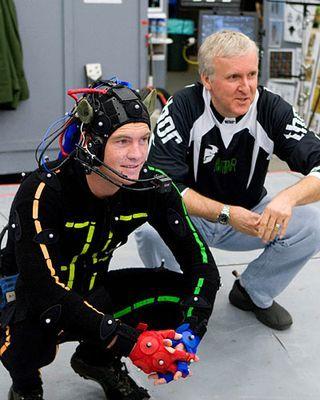
The journey from simple computer drawings to modern cinematic worlds has taken decades and has become one of the most important technological revolutions in entertainment history.
The Early History of CGI in Film
The roots of CGI began in research laboratories during the 1960s and 1970s when scientists and engineers experimented with computer-generated graphics. Early computer imagery was extremely basic, consisting of wireframe shapes and simple animations.
One of the earliest major movie uses of computer graphics appeared in the 1973 film Westworld, which featured a computer-generated pixelated view from a robot’s perspective. While primitive compared with today’s standards, it demonstrated the potential of digital imagery.
The late 1970s and early 1980s brought more breakthroughs. Films such as Star Wars used computer technology for planning and special effects sequences. The introduction of digital effects helped filmmakers create scenes that would have been nearly impossible using traditional methods.
A major milestone came with Tron, which featured extensive computer-generated environments and vehicles. Although audiences at the time were amazed, the technology was still expensive and limited.
The Film That Changed Everything: Jurassic Park
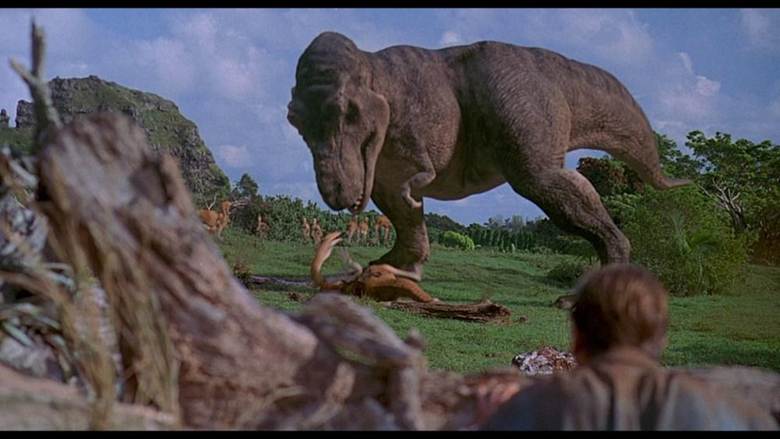
The true turning point came in 1993 with Jurassic Park.
The film combined animatronic dinosaurs with groundbreaking CGI created by Industrial Light & Magic. The realistic movement of computer-generated dinosaurs convinced audiences that digital creatures could appear believable alongside live actors.
Jurassic Park changed the movie industry permanently. Studios realized CGI could reduce certain production limitations and allow filmmakers to create creatures, environments, and action sequences that were previously impossible.
Following its success, CGI rapidly expanded into nearly every genre, including science fiction, fantasy, superhero films, animation, historical dramas, and even realistic everyday scenes.
How CGI Has Changed Over Time
Modern CGI is dramatically different from the early computer graphics of the 1970s and 1980s. Today’s visual effects artists use thousands of interconnected technologies, including:
- 3D modeling: Digital artists create three-dimensional objects, characters, and environments.
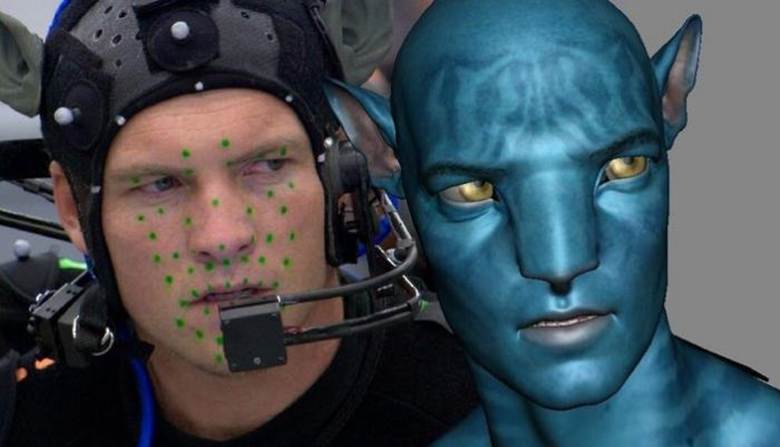
- Motion capture: Sensors record human movements and transfer them to digital characters.
- Digital rendering: Powerful computers calculate lighting, shadows, textures, and reflections.
- Artificial intelligence: AI systems help create realistic movements, improve images, and speed up production.
- Physics simulations: Software recreates explosions, water, fire, smoke, clothing movement, and destruction.
Films such as Avatar pushed CGI into a new era by combining motion capture, digital environments, and advanced 3D technology.
Today, some blockbuster films contain CGI in almost every scene. Industry estimates vary widely, but major effects-heavy productions often contain 50% to more than 90% digitally enhanced footage. Even scenes that appear completely normal may include digital corrections, background replacements, removing unwanted objects, or adding environmental details.
Patents and Intellectual Property Behind CGI
The CGI industry is built on decades of research, engineering, and patented technology. Companies developing graphics processors, rendering systems, animation software, and artificial intelligence tools protect their innovations through intellectual property rights.
Patents have played an important role in areas such as:
- Computer animation techniques
- Digital lighting systems
- Motion capture technology
- Image processing
- 3D scanning
- AI-assisted visual effects
Major technology companies, entertainment studios, and software developers invest billions of dollars into research because improvements in CGI can provide a competitive advantage.
Software platforms used throughout the entertainment industry include advanced animation and visual effects programs developed by companies such as Autodesk and other specialized visual-effects developers.

The Technology Powering Modern CGI
Modern CGI requires enormous computing power. A single movie frame can require millions of calculations involving light, texture, movement, and digital materials.
Large studios use render farms containing thousands of processors and graphics cards working together. Many productions now use cloud computing, allowing studios to access massive computing resources without maintaining all equipment on-site.
Artificial intelligence is becoming one of the biggest changes in CGI. AI tools can help artists create realistic backgrounds, improve facial animation, automate repetitive tasks, and analyze footage.
The growing demand for advanced computing has also created new technical opportunities, including positions related to computer hardware, data systems, and specialized equipment maintenance. Companies increasingly need professionals capable of maintaining complex digital production systems, similar to how manufacturers are hiring skilled electrical assemblers for advanced industrial equipment.
Career Outlook: The Future of CGI Jobs

The demand for CGI professionals continues to grow as streaming services, video games, virtual reality, advertising, and film studios expand digital content production.
The future CGI workforce will include:
- CGI artists
- 3D modelers
- Character designers
- Animation specialists
- Motion capture technicians
- Digital lighting artists
- Rendering engineers
- AI visual-effects specialists
- Virtual production technicians
- Game environment designers
- Software engineers
The rise of virtual production studios, where actors perform in front of massive LED screens displaying digital environments, is creating another wave of employment opportunities.
As artificial intelligence becomes more involved, studios will also need specialists who understand both technology and creative production. There will likely be growing demand for technicians who can maintain AI-driven production equipment, creating opportunities for people with mechanical and electrical skills. Some companies may need a good AI engine mechanic—a new type of technical specialist who understands advanced machines, robotics, and intelligent systems.
The Future: Where CGI Goes Next
The next generation of CGI will likely blur the line between reality and digital creation even further.
Future developments may include:
- Fully AI-generated movie scenes
- Real-time digital actors
- Interactive movies that change based on viewers
- Hyper-realistic virtual worlds
- Advanced virtual reality entertainment
- Digital versions of actors and environments
Independent filmmakers may gain access to tools that were once available only to major studios. A small production team could eventually create movie-quality effects using affordable software and cloud-based computing.
For workers entering this expanding field, learning digital design, computer technology, animation software, and engineering skills will become increasingly valuable. Those exploring career changes should consider tips to finding a job in emerging technology fields, including building portfolios, learning industry software, and developing specialized skills.
The CGI revolution is far from finished. What began as simple computer-generated shapes has become one of the most powerful creative technologies in the world. As movies continue merging entertainment, engineering, and artificial intelligence, CGI will remain at the center of the next generation of storytelling.