History • Travel • Leisure • Ancient Wonders
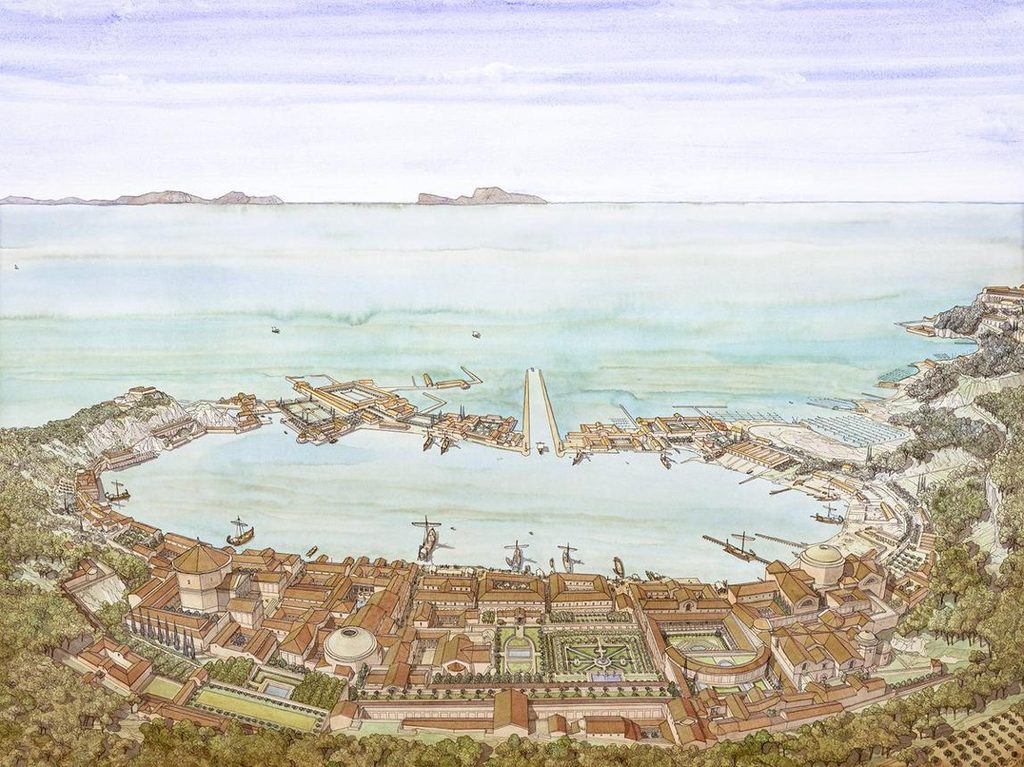
Jean-Claude Golvin (@JCGolvin) on X
Long before modern cruise ships, all-inclusive resorts, family road trips and luxury hotels, people were already packing their belongings and heading somewhere exciting for a break from everyday life. Ancient travelers sought warm springs, beautiful beaches, spectacular monuments, sporting competitions, religious festivals, shopping opportunities and entertainment.
The ancient world had its own vacation destinations. Some were glamorous retreats for wealthy families. Others attracted enormous crowds for sporting events, festivals and cultural spectacles. And a few became legendary destinations because of their architecture, engineering and sheer beauty.
Today’s vacationers might search for a fun vacation for the family, a historic destination or a memorable hotel experience. Thousands of years ago, travelers were looking for many of the same things—only without airplanes, digital booking platforms or modern highways.
Baiae: The Roman Empire’s Celebrity Vacation Hotspot
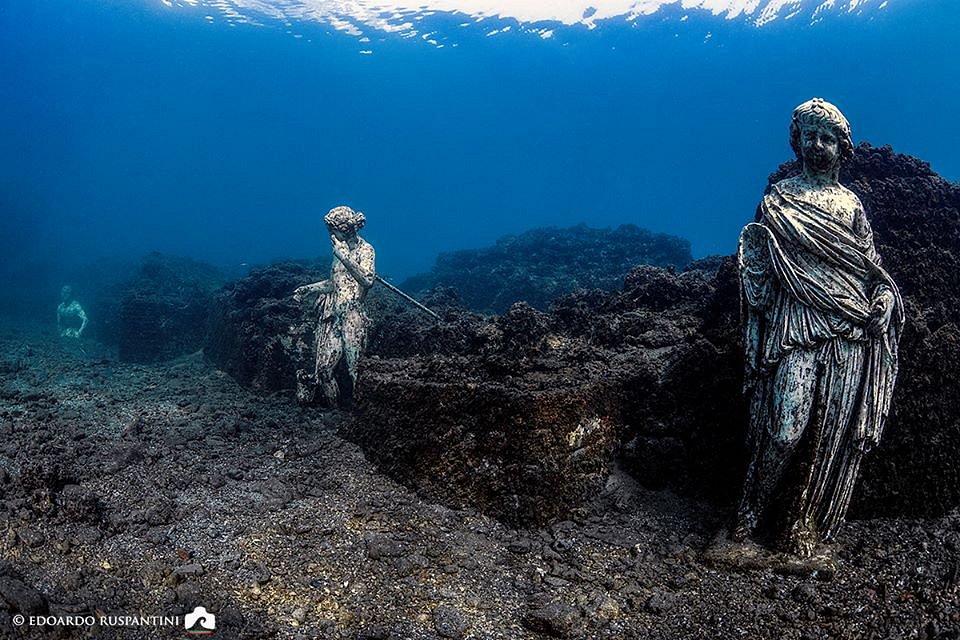
SuBaia Diving Center – All You SHOULD Know Before Going (2026 Reviews)
If ancient Rome had a fashionable vacation capital, Baiae would have been a serious contender.
Located along the Gulf of Naples in southern Italy, Baiae became famous for its thermal springs, elegant villas, coastal scenery and luxurious bathing facilities. Wealthy Romans escaped the heat and pressures of city life to enjoy the seaside, socialize and indulge in relaxation.
Some villas featured elaborate architecture, gardens and magnificent views. Visitors enjoyed thermal bathing, swimming, boat excursions, dinners with friends and lively social gatherings. The resort also developed a reputation for extravagant parties and questionable behavior, attracting criticism from Roman moralists.
Baiae was not simply a beach destination. Its hot springs were a major attraction, and some bathing facilities were designed to take advantage of the surrounding coastal environment. Ancient Romans valued bathing as both recreation and social activity.
The resort’s popularity eventually contributed to a remarkable archaeological legacy. Parts of ancient Baiae now lie underwater because of volcanic and geological changes in the region.
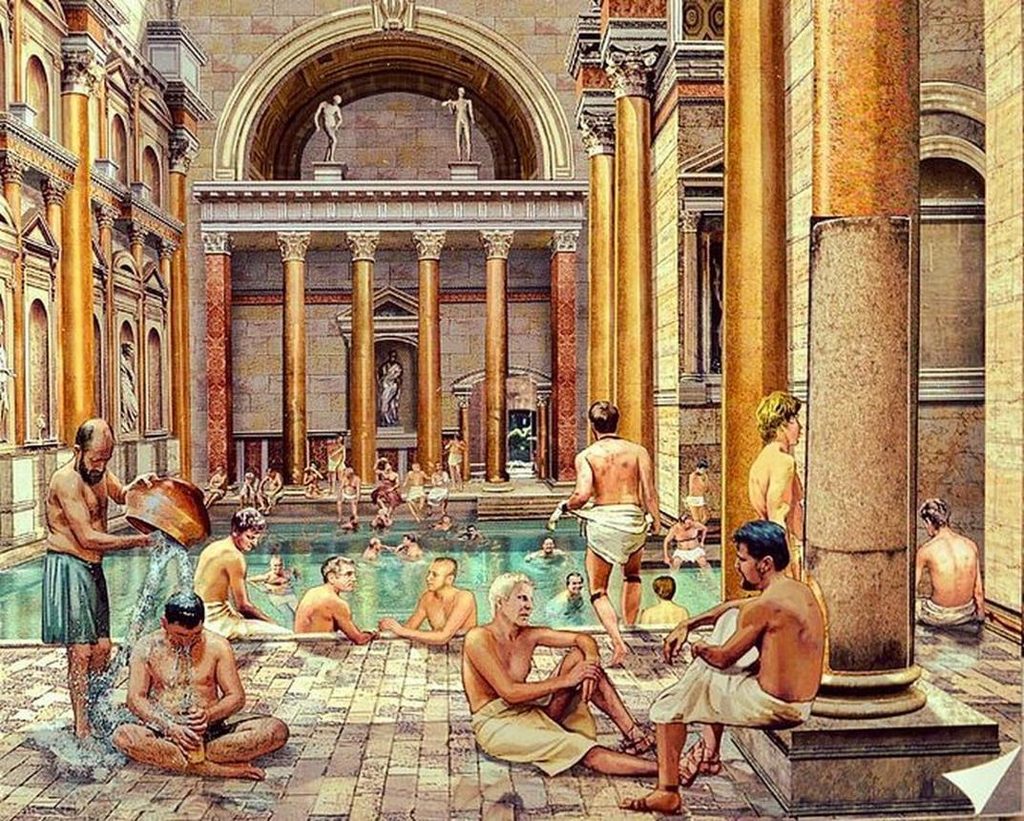
What did vacationers do?
- Relaxed in thermal baths and heated pools.
- Enjoyed seaside villas and gardens.
- Took boat trips across the bay.
- Socialized over elaborate meals.
- Visited friends and attended parties.
Baiae is a reminder that luxury travel, spa culture and fashionable vacation communities are much older than modern tourism. DW+1
Olympia: The Ancient World’s Sporting Vacation
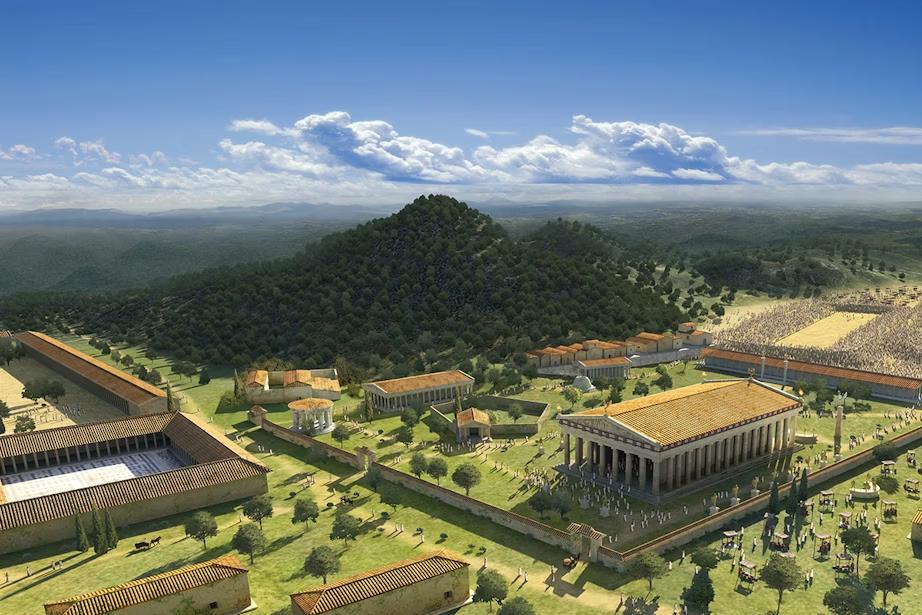
De antika olympiska spelen: Bara segern räknades | varldenshistoria.se
Olympia in Greece was a different kind of destination. Instead of focusing primarily on seaside luxury, it attracted travelers through religious ceremonies, athletic competition and cultural gatherings.
The ancient Olympic Games were held in honor of Zeus. Visitors arrived from across the Greek world to watch competitions, participate in religious activities, meet people and experience one of antiquity’s most important public events.
The Games included running, jumping, throwing, wrestling, boxing, pankration and chariot racing. By the fifth century BC, the festival had expanded to five days.
Olympia also offered much more than sports. Artists, merchants, speakers and visitors used the gathering as an opportunity to display their work, sell goods and build reputations. The sanctuary contained temples, monuments, statues and dedications that made the destination a remarkable cultural attraction.
As the site developed, athletic training facilities such as the gymnasium and palestra became important parts of the complex. These were spaces for physical exercise, training and intellectual discussion.
The Romans later added bathing complexes and other facilities that supported visitors and helped turn Olympia into a destination beyond the Games themselves. Olympics+2
Petra: The Spectacular Ancient City of the Desert
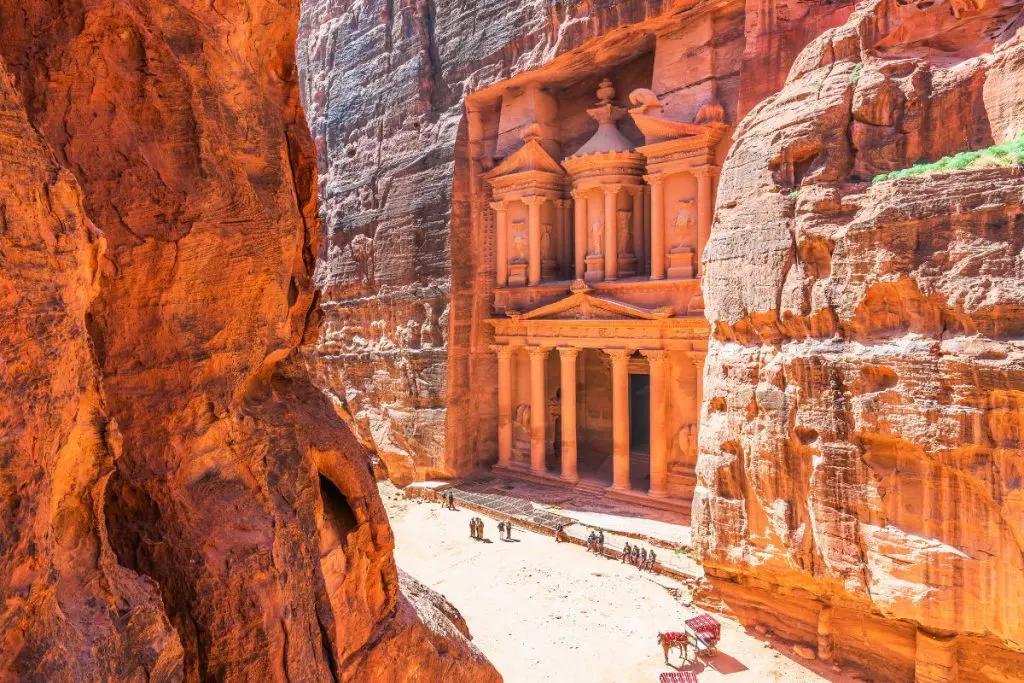
Exciting Facts About Petra, Jordan – Travel Talk
Petra, in modern Jordan, was one of the ancient world’s most extraordinary destinations—not exactly a modern resort, but an unforgettable stop for travelers, traders and visitors.
The Nabataeans developed Petra into a major caravan center connecting Arabia, Egypt, Syria and Mediterranean trading networks. Merchants brought incense, spices, textiles and other valuable products through the region.
What made Petra remarkable was its architecture. Buildings and monumental tombs were carved directly into rose-colored sandstone cliffs. The famous Treasury, the Monastery and other monumental façades created an extraordinary landscape that still attracts visitors today.
Petra also had an impressive water-management system. Channels, reservoirs and cisterns collected and stored water, allowing a substantial settlement to flourish in an arid environment.
Travelers could encounter markets, religious monuments, public buildings, theaters and impressive streets. The city offered a combination of commercial activity, architecture and cultural experience that made it a destination in its own right.
Petra’s monuments were not simply decorations. They reflected the wealth, religious traditions and artistic influences of the Nabataean civilization. UNESCO World Heritage Centre+1
Ancient Egypt: The Original Monument-Seeing Vacation
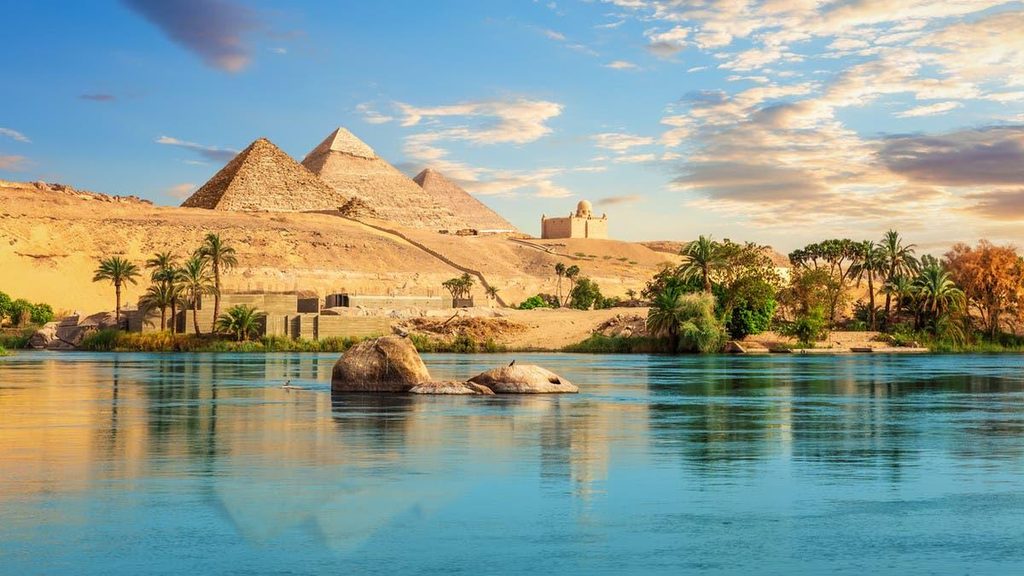
اكتشاف مجرى نهري ضخم بجوار أهرامات الجيزة.. خبير يوضح للعربية.نت
The pyramids of Giza were already ancient monuments when many later civilizations began exploring the world.
Egypt attracted travelers for its temples, monumental architecture, religious ceremonies and extraordinary history. Visitors could encounter enormous stone structures, statues, royal tombs and sacred landscapes that seemed almost impossible to comprehend.
The Nile also served as an important transportation route. Boats connected settlements, temples and commercial centers, making river travel an essential part of Egyptian life.
For ancient visitors, Egypt offered something that modern travelers still seek: the opportunity to experience a civilization whose achievements appeared larger than life.
Tivoli: Gardens, Villas and Roman Countryside Escapes
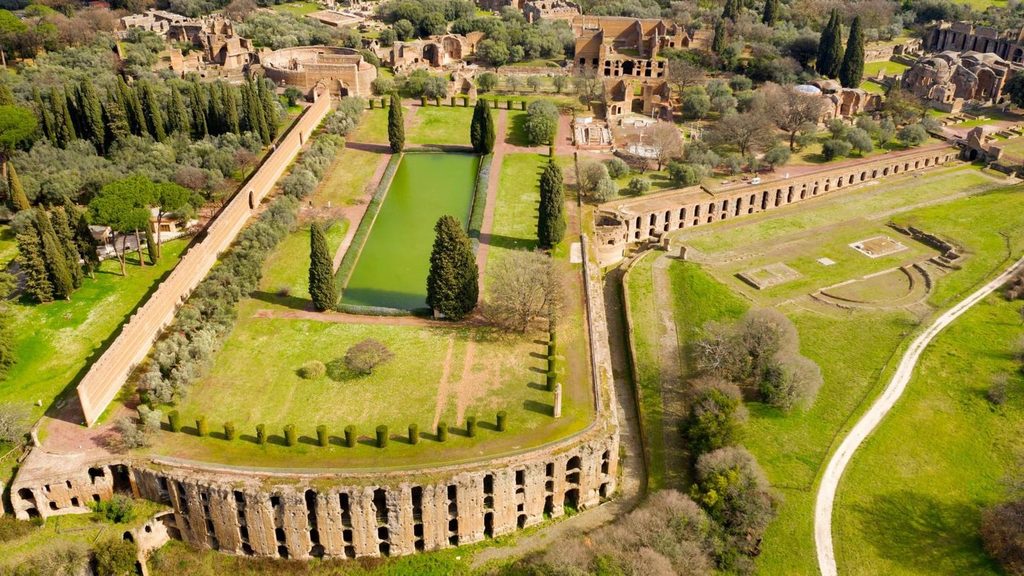
Visiter la Villa d’Hadrien près de Rome : billets, prix, horaires
Not every ancient vacation required traveling hundreds of miles.
Tivoli, known in antiquity as Tibur, was a popular retreat outside Rome. Its countryside setting, villas, gardens and scenic surroundings made it attractive to people seeking a break from urban life.
The area became particularly famous for monumental estates and architecture. Hadrian’s Villa, built during the reign of Emperor Hadrian, featured extensive buildings, courtyards, pools and landscaped spaces inspired by different parts of the empire.
Visitors today can explore these ruins and imagine how the wealthy Roman elite enjoyed their private leisure environments.
What Games Did Ancient Vacationers Play?
Ancient vacation destinations often included games, sporting events and recreational activities.
| Activity | Ancient destination or culture |
|---|---|
| Foot races | Olympia, Greece |
| Wrestling and boxing | Greek athletic festivals |
| Chariot racing | Greek and Roman sporting venues |
| Swimming and bathing | Roman thermal resorts |
| Board games | Roman and Egyptian households |
| Hunting and horseback riding | Wealthy Roman estates |
| Music, theater and festivals | Greek and Roman cultural centers |
The ancient Olympic Games were particularly important because they combined athletic competition with religious celebrations and social gatherings.
Roman resorts, meanwhile, offered opportunities for swimming, bathing, dining, boating and entertainment.
Were Ancient Resorts Really Affordable?
Not everyone could afford the luxurious villas and private estates associated with Roman vacationing.
Ancient travel was expensive, time-consuming and sometimes dangerous. Wealthy families had greater access to leisure, while merchants, pilgrims, athletes and ordinary travelers often traveled for practical or religious reasons.
Travelers used inns, roadside facilities and other accommodations, but ancient hospitality was very different from today’s hotel industry.
The modern search for affordable hotels reflects a familiar challenge: finding comfortable lodging without exhausting the vacation budget.
Ancient visitors also needed places to sleep, eat and rest. The difference was that they relied on local hospitality, inns, private accommodations and arrangements with hosts rather than online hotel reservations.
Castle Stays Are Becoming Popular—But Ancient Travelers Had Their Own Historic Lodging

Today’s historic hotels, converted castles and restored palaces offer travelers a chance to sleep inside buildings with centuries of history.
The phrase castle stays are becoming popular captures a modern travel trend that appeals to visitors looking for something beyond ordinary accommodations.
Ancient travelers did not have medieval castles in the form familiar today, but they certainly experienced monumental architecture, royal estates, fortified cities and impressive residences.
Roman villas, Egyptian temple complexes and Nabataean cities all offered glimpses of power, wealth and architectural imagination.
The desire to stay somewhere memorable is hardly new. Travelers have always been attracted to extraordinary buildings and remarkable surroundings.
Why Ancient Vacation Resorts Still Matter

Ancient leisure destinations reveal that travel has always been about more than reaching a location.
People wanted entertainment, relaxation, adventure, culture, good food, impressive monuments and opportunities to socialize.
Baiae offered thermal bathing and luxury. Olympia delivered sports and festivals. Petra provided monumental architecture and commercial excitement. Tivoli offered countryside retreats and spectacular villas. Egypt supplied some of the world’s most unforgettable historical landmarks.
These destinations helped establish patterns that continue to shape tourism today: wellness travel, sports tourism, heritage tourism, cultural vacations and luxury retreats.
Planning a Modern Vacation With an Ancient Twist
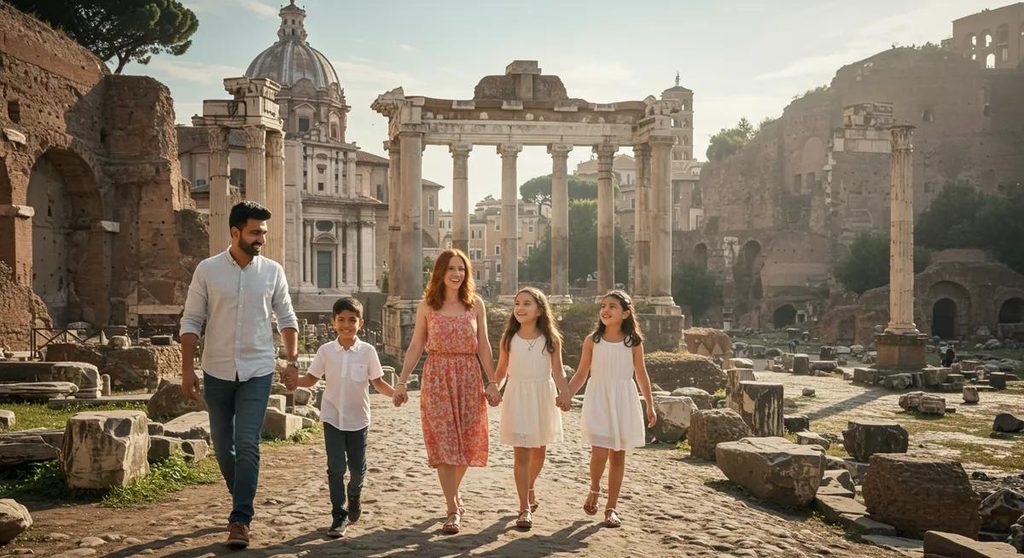
Is Rome Good for Families? The Honest 2026 Guide (From Parents Who Know) | ItiMaker Travel Blog
Travelers interested in ancient resorts can still visit many of these historic destinations.
- Italy: Explore Roman villas, thermal baths and archaeological sites around Naples and Tivoli.
- Greece: Visit Olympia and combine ancient history with modern coastal vacations.
- Jordan: Discover Petra’s spectacular sandstone monuments and surrounding landscapes.
- Egypt: Explore the pyramids, temples and Nile-side destinations.
Families can turn these trips into educational adventures by combining historical sightseeing with beaches, museums, outdoor activities and comfortable accommodations.
A vacation built around ancient history can be both entertaining and educational—and it provides a different kind of travel experience from a conventional resort holiday.
The ancient world may not have had travel apps, all-inclusive packages or modern hotel loyalty programs, but its travelers understood the appeal of getting away.
The ultimate vacation hasn’t changed as much as we might think: discover somewhere extraordinary, enjoy the experience, make memories and return home with stories worth telling.