Post-election news analysis | November 6, 2026
Election Night 2026 delivered one of the most dramatic political reversals in recent American history. Voters did more than change individual officeholders. They changed the balance of power in Washington, overturned expectations in traditionally Republican territory, and sent a powerful message about household expenses, economic anxiety, government accountability, and the direction of the country.
The biggest headline: Democrats captured control of both the U.S. House of Representatives and Senate, according to major news organizations’ projections. The victories included unexpected Senate wins in Texas, Kansas, South Carolina, Iowa, and other states, while Republicans lost ground in districts they had previously considered secure. AP News+2
The consequences extend well beyond political personalities. The election could influence infrastructure spending, manufacturing policy, energy development, healthcare, construction, technology investment, federal contracting, and the broader employment environment.
For employers, workers, investors, and families, the question now becomes: What happens next?
The Biggest Surprise: Democrats Take Both Chambers
The national political story was the scale of the Democratic victory.
Going into Election Day, Republicans controlled Washington and expected to defend a number of difficult but potentially manageable races. Instead, Democrats achieved sweeping gains, winning the House and Senate and making significant advances in states that had been considered difficult territory.
Reuters described the results as extraordinary gains extending deep into Republican areas. AP reporting highlighted victories in Texas, South Carolina, Iowa, and Kansas, where Democrats overturned long-standing political expectations. Investing.com+1
The results were particularly significant because midterm elections normally provide voters with an opportunity to punish the party occupying the White House. The 2026 outcome demonstrated how economic dissatisfaction, political fatigue, and disagreements over national policy can combine into a powerful electoral reaction.
The new Congress, scheduled to take office in January 2027, will be controlled by Democrats, while President Donald Trump remains in the White House. That creates divided government, a situation likely to produce legislative negotiations, investigations, disagreements over spending, and potentially significant changes in federal priorities. McGuireWoods Consulting+1
Texas: The Lone Star State Produces the Night’s Biggest Political Shock
Texas may have delivered the most attention-grabbing result of the evening.
Democrat James Talarico defeated Republican Ken Paxton in the U.S. Senate race, becoming the first Texas Democrat elected to the Senate in decades. Democrat Gina Hinojosa also defeated Republican incumbent Greg Abbott in the gubernatorial race, ending a long period of Republican control of the governor’s office. Investing.com+2
These victories represent a historic shift in the political landscape of Texas.
The state has long been associated with conservative policies, business-friendly taxation, energy production, and a strong Republican political organization. The election results raise questions about whether Texas is undergoing a lasting political transformation or whether voters were responding to particular economic and political circumstances.
For businesses, the immediate concern is not simply which party won. It is whether the incoming political leadership changes the regulatory environment, tax policy, public investment, labor priorities, and economic development programs.
Texas remains a major center for oil and gas, manufacturing, construction, technology, logistics, healthcare, and industrial services. Those industries employ millions of workers and support extensive networks of small businesses.
The incoming administration will face pressure to address affordability, education, infrastructure, public services, and economic growth while maintaining the state’s competitiveness.
What the Texas result means for employers
Businesses will be watching for changes involving:
- State infrastructure and transportation spending.
- Workforce training and technical education.
- Energy policy and industrial development.
- Healthcare costs and access.
- Property taxes and business operating expenses.
- Economic incentives for manufacturing and technology investment.
The political shift does not automatically mean Texas will abandon its traditional business model. Rather, it introduces uncertainty about how economic priorities will be balanced.
For job seekers, the most important question remains whether employers continue investing, expanding production, and hiring skilled workers.
South Carolina, Kansas, Iowa, and Other Unexpected Winners
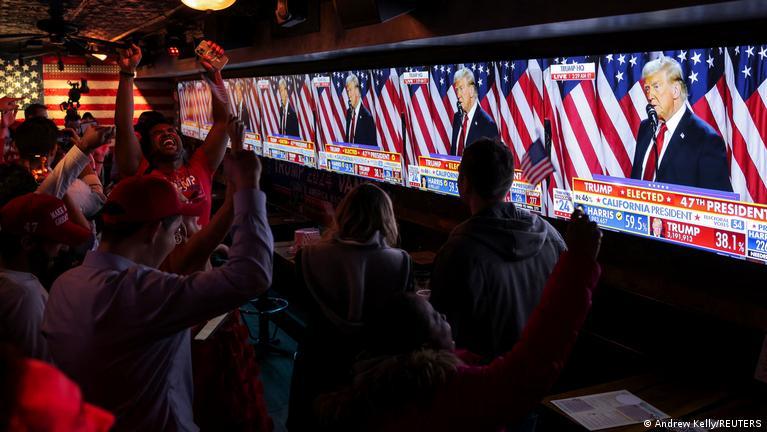
Texas was not the only state to experience a political earthquake.
Democrats won a Senate seat in South Carolina, a state where Democrats had not won a Senate race this century. Kansas also elected a Democratic senator for the first time in decades. Iowa and other states contributed to the national Senate turnover. Investing.com+2
The results demonstrated that traditional political boundaries were not necessarily reliable predictors of voter behavior.
These victories could have consequences for regional economic policy. Senate representation affects federal spending priorities, transportation projects, agriculture policy, military installations, energy programs, and economic development initiatives.
South Carolina has important manufacturing, automotive, aerospace, and logistics industries. Kansas and Iowa have substantial agricultural, food processing, machinery, and manufacturing economies.
The political changes may create new opportunities for regional priorities to receive attention, although actual legislation will depend on negotiations and the ability to assemble congressional majorities.
Why Voters Turned Against the Status Quo
One of the strongest themes in election coverage was economic dissatisfaction.
Voters expressed concern about living costs, inflation, household budgets, and government performance. CBS News reported that affordability was a major issue for an overwhelming share of voters, while Reuters described the election as a sharp rebuke of the administration’s policies. CBS News+1
Economic pressure can influence elections even when employment remains relatively strong.
Families may have jobs but still struggle with rent, mortgages, insurance, transportation, groceries, healthcare, and childcare. Small businesses face similar pressures through higher operating costs, financing expenses, insurance premiums, and difficulty finding qualified employees.
The election results suggest that voters were demanding more than political promises. They wanted improvements in everyday economic conditions.
That creates a challenge for both parties. Democrats must demonstrate that congressional control can translate into tangible improvements. Republicans must reconsider their approach to economic messaging, political priorities, and voter outreach.
Which Industries Could Benefit From the Election?
The biggest question for the business community is whether political change translates into new investment and employment.
There is no guarantee that any particular industry will benefit immediately. Congress must pass legislation, agencies must implement programs, and businesses must decide whether new policies justify hiring or expansion.
Nevertheless, several sectors could become important areas of political debate and economic opportunity.
1. Manufacturing and Industrial Production
Manufacturing remains a central issue in American economic policy. Domestic production, supply-chain security, industrial equipment, electrical systems, and skilled labor are likely to remain important subjects for both parties.
Manufacturing employers need workers capable of repairing, rebuilding, operating, and maintaining machinery. A factory may purchase advanced equipment, but it still requires experienced people who understand motors, gearboxes, pumps, electrical controls, and production systems.
That creates opportunities for:
- Industrial mechanics.
- Electric motor repair technicians.
- Machine operators.
- Manual and CNC machinists.
- Industrial electricians.
- Electrical assemblers.
- Maintenance technicians.
- Metalworking specialists.
For shops and manufacturers, the election may be less important than the availability of qualified workers and the cost of doing business.
2. Infrastructure and Construction

Infrastructure spending can affect employment across transportation, utilities, commercial construction, public buildings, water systems, and electrical distribution.
If Congress expands or maintains infrastructure programs, contractors and suppliers could see opportunities in:
- Highway and bridge construction.
- Electrical infrastructure.
- Water and wastewater systems.
- Public transportation.
- Utility modernization.
- Industrial building construction.
- Commercial facilities.
These projects require electricians, heavy-equipment mechanics, welders, machinists, construction workers, project supervisors, and equipment service technicians.
The timing matters. Federal appropriations, state matching funds, permitting, and construction schedules determine when projects actually create employment.
3. Energy and Electrical Equipment
Energy policy remains one of the most consequential areas of federal and state politics.
Oil and gas, electricity generation, transmission, renewable energy, grid reliability, and industrial power demand all affect the need for technical workers.
Electrical infrastructure projects may require switchgear, transformers, generators, motors, protective equipment, and control systems. Utilities and industrial facilities need technicians who can inspect, troubleshoot, and maintain equipment safely.
That makes specialized electrical trades relevant regardless of whether investment is directed toward conventional power, renewable generation, or grid modernization.
4. Healthcare and Home-Based Care
Healthcare is another sector likely to remain central to political negotiations.
An aging population, chronic illnesses, and demand for services outside traditional hospitals have created continuing interest in home-based care and community health services.
For people exploring home health care careers, the sector offers roles ranging from home health aides and personal care workers to licensed nurses and care coordinators.
Employment conditions, reimbursement policies, Medicaid and Medicare rules, and funding decisions can affect providers. A change in federal policy may influence staffing, service availability, and the economics of home care businesses.
Healthcare employers will also continue to need maintenance personnel, facilities technicians, equipment specialists, and administrative workers.

The Skilled Trades Employment Outlook: Who Could See Opportunity?
Political headlines often concentrate on Wall Street, technology companies, and major corporations. But many of the jobs supporting the economy are found in smaller industrial businesses, repair shops, contractors, and local service companies.
The following occupations illustrate where workforce demand could remain important. These are industry-oriented observations, not guaranteed employment increases resulting directly from the election.
Manual Machinists and Machine Shops
Manufacturers and repair businesses need workers who can accurately machine parts, restore equipment, and produce components for industrial applications.
The phrase manual machinist demand has gone up is especially relevant to shops dealing with older machinery, custom components, repair work, and low-volume production. CNC technology is important, but manual machining remains valuable for specialized work, prototypes, and repairs that cannot easily be handled through automated production.
Experienced machinists may find opportunities in motor repair, pump rebuilding, machine shops, aerospace suppliers, equipment manufacturing, and industrial maintenance.
Air Compressor Technicians
Compressed air is essential in manufacturing, automotive repair, food processing, packaging, construction, and many industrial facilities.
Companies seeking an air compressor technician may require experience with rotary screw compressors, reciprocating compressors, air dryers, controls, pressure systems, and preventive maintenance.
Service technicians often travel to customer facilities, diagnose problems, perform repairs, and help keep production operations running.
Metal Finishing and Industrial Coatings
Metal finishing includes surface preparation, polishing, plating, coating, and other processes used to improve appearance, durability, corrosion resistance, or performance.
The metal finisher career outlook depends on manufacturing activity, customer demand, and the availability of skilled workers. Industries using finished metal components include automotive, aerospace, machinery, electronics, medical equipment, and industrial manufacturing.
Experienced finishers may work in polishing, buffing, grinding, coating, plating, or specialized surface-treatment operations.
Automotive Body Repair

Collision repair businesses require trained technicians who can restore damaged vehicles, perform structural repairs, prepare surfaces, and apply automotive finishes.
People researching autobody shops jobs in major metropolitan areas may find opportunities in collision repair centers, dealership body shops, independent repair businesses, and fleet-maintenance operations.
The industry continues to face technological changes involving aluminum, high-strength steel, sensors, advanced driver-assistance systems, and electric vehicles. Technicians must increasingly combine traditional craftsmanship with modern repair procedures.
Switchgear and Electrical Distribution
Electrical distribution equipment is essential to factories, hospitals, data centers, commercial buildings, utilities, and large construction projects.
Workers pursuing switchgear technician jobs in industrial and electrical markets may be involved in assembly, testing, installation, troubleshooting, maintenance, or commissioning.
Relevant experience can include circuit breakers, protective relays, electrical testing, control wiring, safety procedures, and power-distribution systems.
As facilities expand their electrical capacity, qualified technicians can be particularly important to project completion and equipment reliability.
Industrial Maintenance
Every manufacturing facility faces the challenge of keeping equipment operating.
Maintenance technician jobs may involve troubleshooting mechanical systems, electrical components, motors, pumps, conveyors, production machinery, hydraulic systems, and automation equipment.
Employers increasingly value technicians who can work across disciplines rather than concentrate exclusively on one mechanical or electrical task.
Preventive maintenance, predictive maintenance, equipment inspections, and reliability programs can reduce downtime and improve productivity.
Industrial Painting
Industrial coatings protect machinery, structural steel, tanks, equipment, and manufactured products from corrosion and environmental damage.
Companies advertising industrial painter openings may seek workers experienced in surface preparation, abrasive blasting, spray application, coating inspection, and safety procedures.
Demand can come from manufacturing, construction, transportation equipment, shipyards, energy facilities, and industrial maintenance contractors.
Food Processing and Local Employment

Food production is a major employer in many American communities. Processing plants, distribution facilities, commercial kitchens, bakeries, meatpacking operations, and agricultural businesses employ people across a wide range of occupations.
Workers searching for food jobs near me may find positions in production, packaging, quality control, sanitation, warehouse operations, refrigeration, equipment maintenance, and food safety.
Food processing also creates opportunities for skilled trades. Refrigeration technicians, industrial electricians, mechanics, and maintenance personnel help keep production lines operating and products safely stored.
States with strong agricultural production and food manufacturing may continue to see employment opportunities in these areas, particularly where facilities expand or replace aging equipment.
Dallas: A Major Employment and Business Center
Dallas–Fort Worth remains one of the country’s important commercial and industrial regions. The metropolitan area combines logistics, manufacturing, construction, healthcare, technology, aviation, distribution, and professional services.
People interested in hiring in dallas should consider the broader metropolitan market rather than limiting their search to downtown Dallas.
Fort Worth, Arlington, Irving, Grand Prairie, Plano, Garland, and surrounding communities support numerous employers and industrial facilities.
Job seekers may explore:
- Industrial maintenance and machinery repair.
- Electrical construction and equipment service.
- Warehouse and distribution operations.
- Food manufacturing.
- Automotive collision repair.
- Healthcare support.
- Manufacturing and assembly.
- Commercial construction and facilities maintenance.
For specialized trades, smaller employers can be particularly interesting. A repair shop or industrial contractor may need one experienced technician rather than dozens of entry-level employees.
What Happens Next in Washington?
The incoming Democratic Congress will face difficult choices. Winning elections is one thing; passing legislation and delivering results is another.
With President Trump still in office, Congress and the administration may disagree over taxes, spending, immigration, healthcare, energy, trade, and regulatory policy.
The immediate political calendar includes leadership selection, committee assignments, legislative priorities, and negotiations over federal spending. Investors and employers will monitor these developments for clues about future policy.
The new majority may pursue investigations and oversight of the administration. Republicans, meanwhile, will have to rebuild their congressional leadership and develop a strategy for working in the minority.
The election also raises questions about the political outlook for 2028. Several Democratic victories could elevate new national figures, while Republican leaders will face pressure to explain the losses and determine how to respond.
The Bottom Line for Workers and Employers
Election Night 2026 was a remarkable political event. Democrats gained control of both chambers of Congress, Texas experienced historic statewide upsets, and voters in several traditionally Republican states delivered unexpected victories.
But the most important economic story may unfold gradually.
Businesses will be watching taxes, regulations, government spending, infrastructure programs, energy policy, and the cost of financing. Workers will be watching wages, benefits, hiring, training opportunities, and whether employers expand their operations.
For skilled tradespeople, the practical lesson is straightforward: political changes can influence investment, but technical ability remains essential to the economy.
Factories still need machinery repaired. Electrical systems still need maintenance. Compressors, generators, pumps, switchgear, and production equipment still require qualified people. Vehicles still need collision repairs, and food facilities still need dependable production and maintenance staff.
The election may reshape Washington and Texas politics, but the nation’s industrial economy will continue to depend on people who know how to build, repair, maintain, and operate equipment.
The next chapter is not simply about who won Election Night. It is about whether the new political landscape produces economic conditions that help businesses grow and workers find better opportunities.

Editorial note: Election results cited here reflect reporting available November 6, 2026. Potential industry and employment benefits are analysis, not confirmed job-growth forecasts.