Memory lapses happen to everyone—from forgetting where you placed your keys to struggling to recall a name during conversation. While no herb or spice is a miracle cure for cognitive decline, a growing body of research suggests that several flavorful kitchen staples may help support memory, concentration, and overall brain health when combined with a balanced diet, regular exercise, quality sleep, and mental stimulation.
Here are some of the most studied herbs and spices that have earned a place on both the dinner plate and in scientific research.
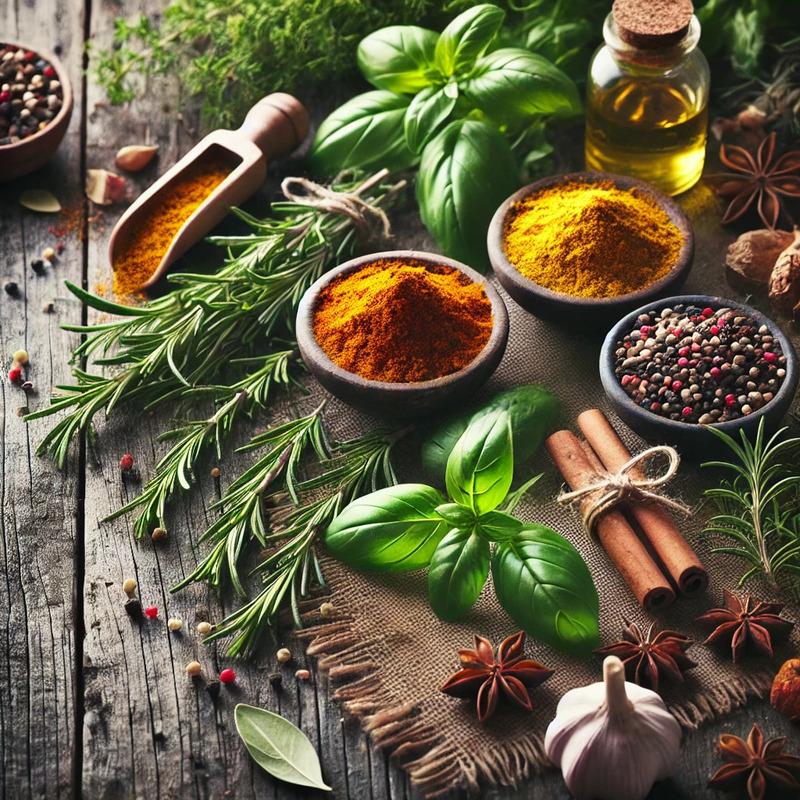
Rosemary: The Herb of Remembrance
The phrase “rosemary for remembrance” dates back to ancient Greece and Shakespearean literature. Native to the Mediterranean region, rosemary (Rosmarinus officinalis, now classified as Salvia rosmarinus) has long been associated with improved memory.
Researchers believe compounds such as rosmarinic acid and carnosic acid possess antioxidant properties that may help protect brain cells from oxidative stress. Some small studies have also suggested that simply inhaling rosemary’s aroma may temporarily improve alertness and memory performance.
Suggested culinary amount: 1–2 teaspoons fresh or ½–1 teaspoon dried daily in meals. Supplements vary and should be used according to product directions and medical advice.
Great with:
- Roasted chicken
- Lamb
- Potatoes
- Focaccia bread
- Grilled vegetables
Potential disadvantages:
Large supplemental doses may cause stomach upset and may interact with blood-thinning medications or certain seizure medications. Culinary amounts are generally considered safe for most people.
Turmeric: The Golden Spice
Originating in India over 4,000 years ago, turmeric has become one of the world’s most researched spices. Its bright yellow color comes from curcumin, a natural compound studied for its anti-inflammatory and antioxidant effects.
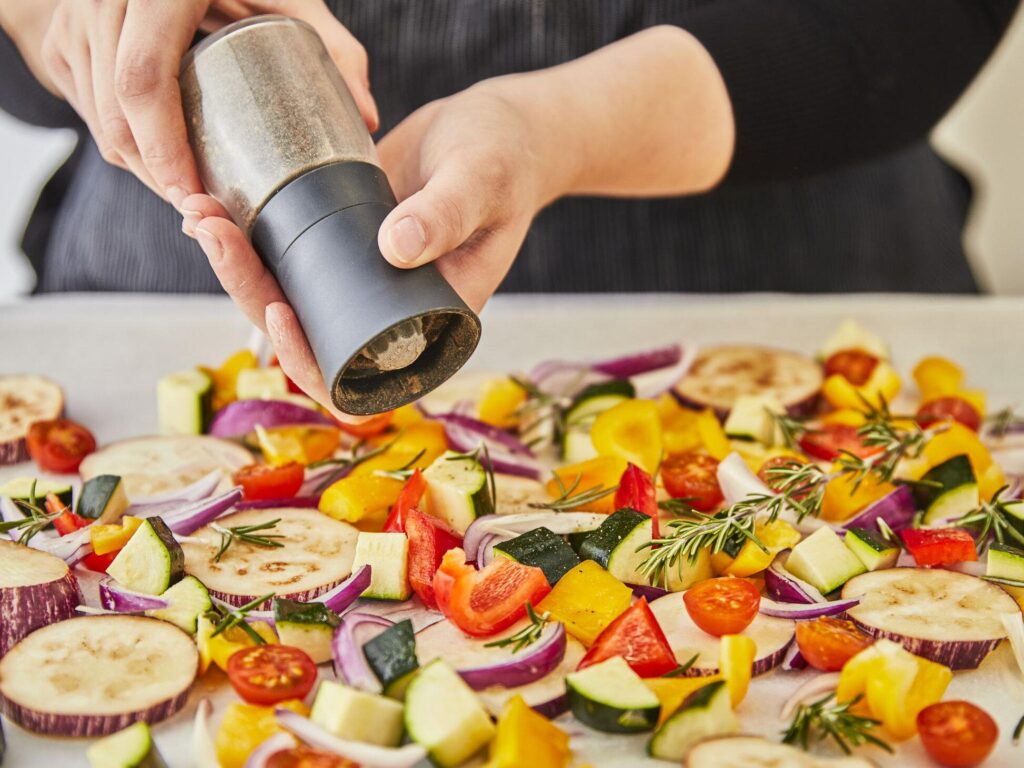
Scientists are investigating whether chronic inflammation contributes to cognitive decline, making turmeric an intriguing area of research. Curcumin is poorly absorbed on its own, however, so pairing turmeric with black pepper significantly increases absorption.
Suggested culinary amount:
½–1 teaspoon daily, preferably combined with black pepper and a small amount of healthy fat.
Excellent in:
- Curry dishes
- Rice
- Lentil soup
- Roasted vegetables
- Smoothies
Potential disadvantages:
High supplemental doses may increase bleeding risk, worsen gallbladder disease, or cause digestive discomfort.
Sage: A Traditional Brain Herb
Sage has been valued since Roman times and was considered one of Europe’s most valuable medicinal herbs during the Middle Ages.
Modern studies suggest compounds found in sage may influence neurotransmitters involved in memory and attention. Some clinical trials have reported modest improvements in cognitive performance among healthy adults.
Suggested culinary amount:
1 teaspoon fresh or ½ teaspoon dried several times weekly.
Pairs well with:
- Turkey
- Stuffing
- Brown butter pasta
- Pork
- White beans
Potential disadvantages:
Very large medicinal quantities—particularly certain essential oils—may not be safe due to naturally occurring compounds such as thujone. Culinary use remains appropriate for most healthy adults.
Cinnamon: Sweet Support for Brain Health
Native to Sri Lanka and parts of Southeast Asia, cinnamon has been prized since ancient Egyptian times.
Researchers continue studying cinnamon’s potential influence on blood sugar regulation. Because healthy blood sugar levels are important for optimal brain function, maintaining steady glucose may indirectly support concentration and cognitive performance.
Suggested culinary amount:
½–1 teaspoon daily.
Try it in:
- Oatmeal
- Apples
- Coffee
- Sweet potatoes
- Yogurt
Potential disadvantages:
Cassia cinnamon contains coumarin, which can be harmful in excessive amounts. Ceylon cinnamon contains much lower levels and is often preferred for frequent use.
Ginkgo (Often Consumed as Tea or Supplements)
Although technically not a culinary spice, ginkgo deserves mention because it has become one of the world’s best-known herbs for memory research.
Native to China and considered a living fossil dating back more than 200 million years, ginkgo has been studied extensively for its potential effects on circulation and cognition.
Research results remain mixed. Some studies suggest modest benefits for certain individuals, while others show little measurable improvement.
Typical supplemental amounts studied:
120–240 mg daily (not a culinary ingredient).
Potential disadvantages:
Ginkgo may increase bleeding risk and interact with blood thinners and certain prescription medications. It should only be used after consulting a healthcare provider.
Peppermint
Peppermint originated throughout Europe and the Middle East before spreading worldwide.
The refreshing aroma alone has been associated in some studies with improved alertness, reduced mental fatigue, and better concentration during demanding tasks.
Suggested amount:
1–2 cups peppermint tea daily or fresh leaves in meals.
Enjoy with:
- Fruit salads
- Chocolate desserts
- Tea
- Lamb dishes
- Summer beverages
Potential disadvantages:
Peppermint may worsen acid reflux symptoms in susceptible individuals.
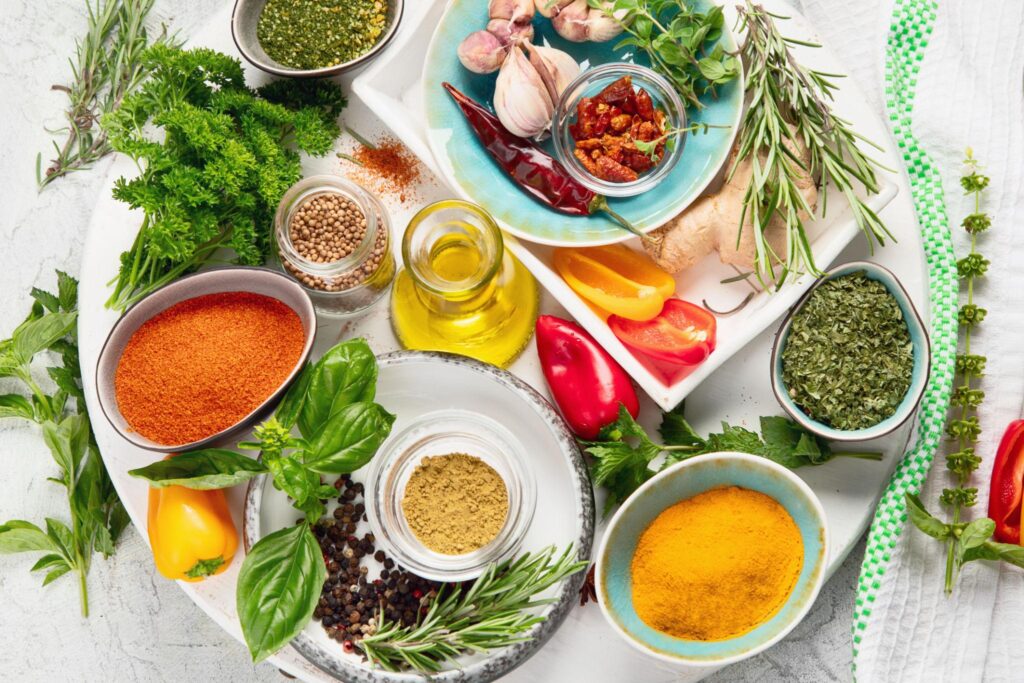
Black Pepper: More Than a Seasoning
Often called the “King of Spices,” black pepper originated along India’s Malabar Coast and was once so valuable it served as currency.
Its active compound, piperine, not only contributes its distinctive flavor but also enhances absorption of nutrients like curcumin from turmeric.
Suggested culinary amount:
¼–½ teaspoon daily.
Excellent on:
- Eggs
- Soups
- Steaks
- Vegetables
- Pasta
Potential disadvantages:
Large supplemental quantities may interfere with absorption of certain medications.
Putting It All Together
Nutrition experts emphasize that no single herb or spice can dramatically improve memory on its own. Instead, these ingredients appear most beneficial when incorporated into an overall healthy dietary pattern such as the Mediterranean diet, which emphasizes vegetables, fruits, whole grains, legumes, fish, olive oil, herbs, and spices.
Lifestyle choices remain equally important. Regular aerobic exercise improves blood flow to the brain, while adequate sleep helps consolidate memories. Challenging the mind through reading, puzzles, learning new skills, or social interaction also contributes to lifelong cognitive health.
Adding rosemary to roasted vegetables, sprinkling cinnamon over breakfast oatmeal, preparing a fragrant curry with turmeric and black pepper, or enjoying a cup of peppermint tea are simple ways to increase flavor while incorporating ingredients that researchers continue to investigate for their potential brain-supporting properties.
Although the evidence remains strongest for overall healthy eating patterns rather than any single ingredient, these herbs and spices offer a delicious reminder that some of the world’s oldest culinary traditions may still have something valuable to contribute to modern brain health.
Disclaimer: The herbs and spices discussed in this article are not intended to diagnose, treat, cure, or prevent disease. Individuals who are pregnant, have chronic medical conditions, or take prescription medications should consult their healthcare provider before using herbal supplements or consuming large medicinal amounts. Culinary use is generally considered safe for most healthy adults.