Don’t Leaf Them Behind! Turn Autumn’s Colorful Castoffs into Garden Gold, Family Fun and Fresh Possibilities
By Gracus Bloom | City-Paper.com
Autumn has arrived, and the trees are making a clean getaway! Across America, yards are filling with brilliant red, golden yellow, copper and brown leaves. For homeowners, that colorful carpet can mean one thing: it’s time to rake, bag, haul and repeat until the last leaf drops.
But before you start treating every fallen leaf like a yard outlaw, consider this: those crunchy castoffs are nature’s way of leaving a little something behind.
Fallen leaves can enrich garden soil, protect plants, provide habitat for beneficial insects, inspire creative crafts and even become the centerpiece of a memorable family outing. With a little imagination, you can turn a seasonal chore into an autumn adventure.
So grab your rake, put on your favorite flannel shirt and prepare to turn over a new leaf!
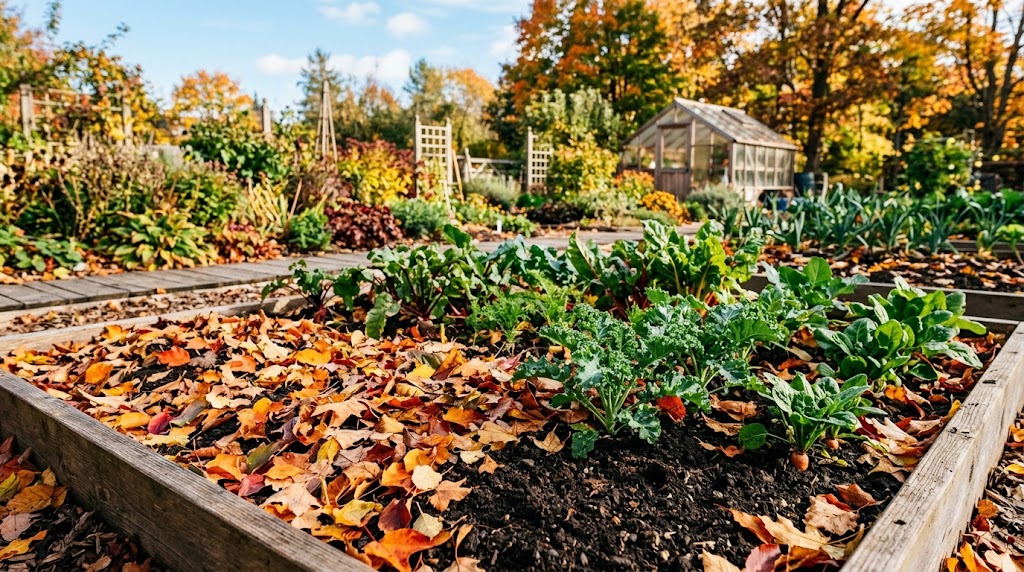
1. Compost Leaves into Garden Gold
If leaves could talk, they’d probably say, “Don’t bag us up just yet!” That’s because dry leaves are an excellent source of carbon, making them a valuable ingredient in a backyard compost pile.
Composting is nature’s recycling program. Instead of sending leaves away with the trash, homeowners can combine them with nitrogen-rich materials such as grass clippings and suitable kitchen scraps. Over time, microorganisms break everything down into dark, crumbly compost that can improve soil structure and help gardens retain moisture.
For best results, shred the leaves with a lawn mower or leaf shredder before adding them to the pile. Smaller pieces generally break down faster than whole leaves. Mix the shredded leaves with greener materials, keep the pile slightly moist rather than soggy, and turn it occasionally to help air circulate.
Don’t expect instant results. Composting takes patience, and the time required depends on the materials, moisture, temperature and how often the pile is turned.
After several months or longer, you may have a useful soil amendment ready for flower beds, vegetable gardens and landscaping projects.
The bottom line? Those leaves aren’t garbage. They’re future garden groceries!
2. Mulch for Healthier Plants
Why let your garden catch the cold shoulder when fallen leaves can provide a protective blanket?
Shredded leaves make useful mulch around trees, shrubs and perennial plants. A layer helps moderate soil temperatures, reduce moisture loss and suppress some weeds. As the leaves break down, they also contribute organic matter to the soil.
Spread a layer of shredded leaves around your plants, generally a few inches deep, while keeping the material away from trunks and plant stems. Avoid piling thick mats of whole, wet leaves against plants, because compacted leaves can restrict air and water movement.
You can also use shredded leaves in garden paths or around established shrubs, provided the material is suitable for the location.
One important tip: don’t assume every leaf belongs in every garden. Leaves from diseased plants may need special disposal, and some leaves can contain compounds that affect nearby plants. Check local gardening guidance if you’re uncertain.
With the right approach, your garden gets a cozy coat without running up a heating bill.
That’s what we call a leaf-saving measure!
3. Build a Leaf-Pile Playground
Remember the simple joys of childhood? Before screens took over every spare minute, a pile of leaves could provide hours of entertainment.
Rake the yard into a big, fluffy mound, gather the family and let the leaf-leaping begin! Kids can jump, toss leaves into the air, build leaf forts or compete to see who can create the biggest pile.
It is inexpensive outdoor entertainment, and the cleanup can become part of the game. Try a timed raking contest, a leaf-color scavenger hunt or a challenge to find five different leaf shapes.
Safety still matters. Make sure the pile is away from roads, fences, sharp branches, garden tools and other hidden hazards. Never jump into leaves concealing objects, and keep children away from burning leaf piles. Check for insects, animal waste and anything else that shouldn’t be part of the fun. Supervise young children and pets.
For families seeking more seasonal excitement, combine the leaf-pile afternoon with apple picking, a pumpkin patch or a scenic drive.
It may not be a theme park, but it could be a whole lot of fun without the theme-park prices.
4. Make Leaf Mold for Moisture-Loving Gardens
Here’s a gardening secret that’s worth leaving on the table: leaf mold.
Despite the name, leaf mold is not the same as ordinary compost. It is made primarily from fallen leaves that gradually decompose through the action of fungi and other organisms. The finished material is dark, crumbly and useful for improving soil structure and moisture retention.
To make it, collect healthy leaves and place them in a wire bin, a dedicated leaf cage or a suitable garden bag with ventilation. Moisten the leaves and keep them damp, but not waterlogged. Then let nature do the heavy lifting.
Depending on leaf type, conditions and how finely the leaves are shredded, the process can take many months or longer. The result is particularly useful for improving soil in ornamental beds and other areas that benefit from better moisture retention.
Oak and beech leaves, for example, can take longer to break down than some softer leaves. Shredding them can speed up the process.
The beauty of leaf mold is that it requires relatively little attention once established.
You collect the leaves, provide the right conditions and let the fungi have their day in the sun—even if the pile itself is sitting in the shade.
That’s a hands-off approach with a hands-down benefit for the garden!
5. Get Creative with Autumn Crafts
Who says leaves are only good for lawns and compost bins? With a little creativity, they can become nature’s craft supplies.
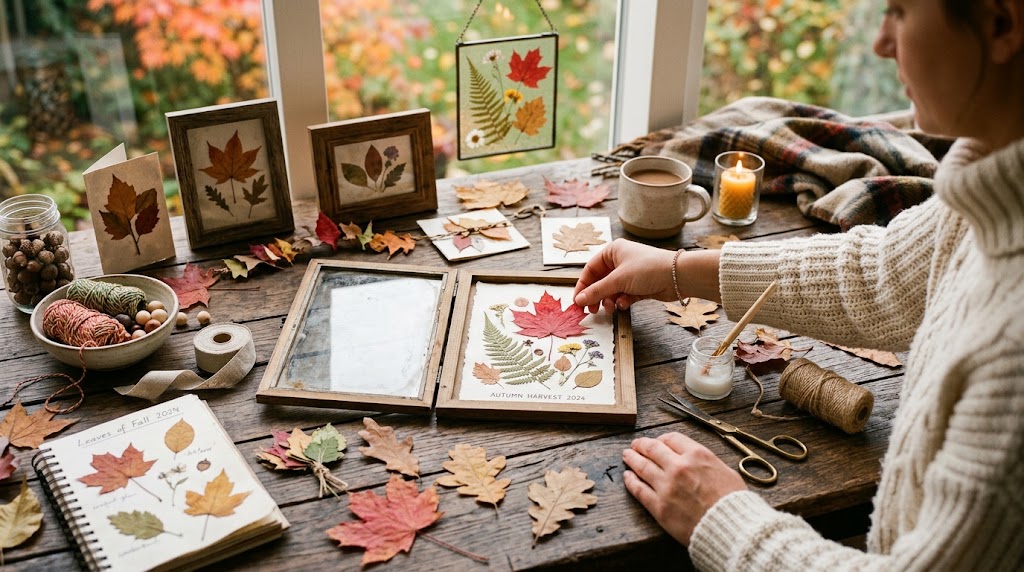
Collect a variety of healthy leaves in different shapes, colors and sizes. Press them between sheets of paper inside a heavy book, taking care not to damage the book or use leaves that are damp enough to stain pages.
Once dry, the leaves can be used to decorate greeting cards, bookmarks, homemade gift tags, seasonal table settings and framed artwork.
Children can trace leaf outlines, make leaf rubbings with crayons, or create animal shapes from different leaves. Adults might enjoy arranging pressed leaves into a simple botanical collage.
For longer-lasting decorations, consider using dried leaves in a wreath or centerpiece. Keep dried foliage away from candles, fireplaces, heaters and other ignition sources because it is highly flammable.
Craft projects can also turn into thoughtful homemade gifts. A framed arrangement of leaves collected during a family walk can preserve a memory of a favorite park, vacation or autumn afternoon.
It is proof that a little leaf litter can become a little piece of art.
Bonus: Plan a Great Family Trip
Fall foliage is more than a pretty backdrop for family photos. It can be a reason to get out of town and explore.
State parks, nature reserves, mountain roads, orchards and small historic towns often offer memorable autumn scenery. Depending on your location, you might plan a day hike, visit a pumpkin patch, take a picnic to a scenic overlook or spend a weekend exploring a nearby community.
Before leaving, check park conditions, trail difficulty, weather forecasts, road closures and local foliage reports. Peak color varies by region and year, so a little planning can help you catch the show at its best.
Pack warm layers, water, snacks and a camera. Leave plenty of time for stops, because the best part of the journey might be an unexpected view from a country road.
A great family trip doesn’t have to involve a long flight or an expensive resort. Sometimes all it takes is a tank of fuel, a scenic route and a willingness to see where the road leads.
And if the car ride turns into a leaf-peeping expedition, well, that’s a pretty good way to turn over a new page in the family scrapbook.
Keep Your Small Engines Running Smoothly
Fall cleanup also means outdoor equipment is getting a workout. Lawn mowers, leaf blowers, string trimmers, chainsaws and other small-engine machines may be called into action before winter storage.
Leaves and debris can block cooling passages, clog air intakes and make equipment harder to maintain. Follow the manufacturer’s instructions for cleaning, servicing and storing each machine. Before inspecting or cleaning equipment, shut it off, allow hot parts to cool and disconnect the spark-plug wire or battery when the manual recommends it. Never work around moving blades or mechanisms.
If a mower refuses to start, a leaf blower runs poorly or a small engine needs more attention than you can provide, a qualified repair shop can help diagnose the problem.
That makes autumn a useful time to check equipment condition and arrange maintenance before the next busy season.
For mechanically inclined job seekers, hiring for a good small engines mechanic can also point toward a practical trade involving troubleshooting, repair, maintenance and customer service. Small-engine technicians help keep the equipment that maintains yards, farms, parks and properties working when people need it most.
A little preventive maintenance now can help keep winter from becoming a cold case for your equipment.

The Final Leaf: Waste Less, Enjoy More
Fallen leaves may look like nature’s way of assigning everyone a weekend chore, but they’re full of possibilities.
They can become compost, mulch, leaf mold, craft materials or the raw ingredients for a joyful afternoon outdoors. They can also inspire a scenic drive, a picnic, a hike or a family tradition that returns every autumn.
The trick is to use leaves wisely. Keep storm drains and sidewalks clear, follow local yard-waste rules, avoid burning leaves where prohibited and take care around diseased foliage. Not every leaf needs to stay on the lawn, but not every leaf needs to leave the property, either.
This year, before you stuff every bag and drag every branch to the curb, consider giving those leaves another job.
After all, autumn doesn’t have to be a season of rake regret.
It can be a season of leafing things better than you found them.
And remember: when life hands you fallen leaves, don’t just rake them in—make something grow!
Editor’s note: This article is for general gardening and seasonal recreation. Follow local composting, yard-waste and equipment-safety guidance for your area.