By Gracus Bloom
Everyone knows Robin Hood—the legendary outlaw who supposedly robbed the rich and gave to the poor. Whether he actually existed remains a matter of debate, but history is filled with colorful characters who attempted similar feats, often with varying degrees of success and legality.
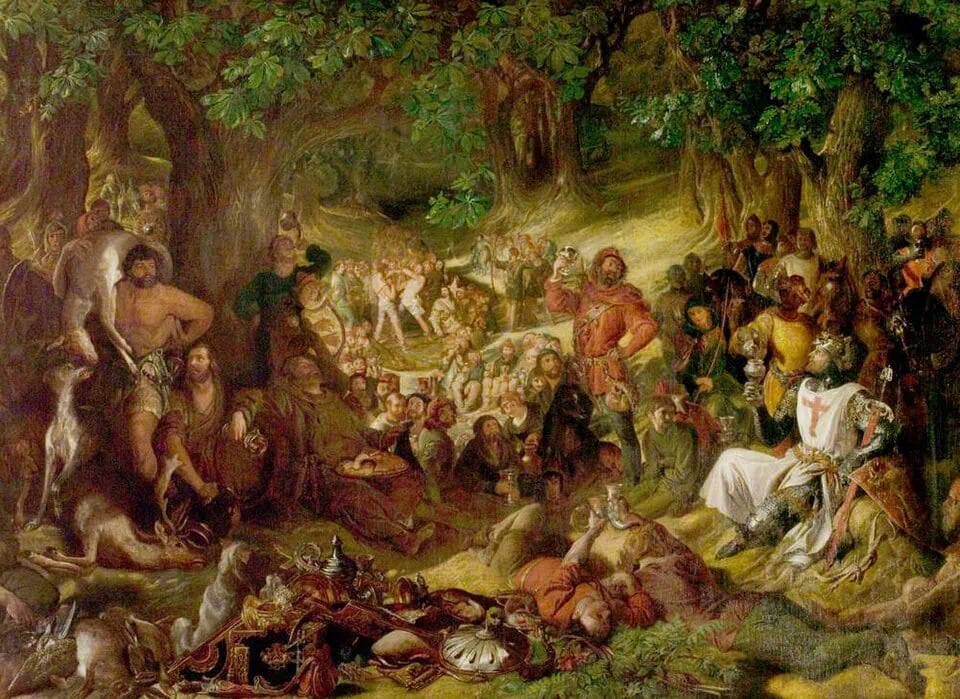
Some became folk heroes. Others became wanted criminals. A few managed to become both.
Let’s take a humorous look at several historical figures whose exploits earned them comparisons to the famous archer of Sherwood Forest.
William Wallace: Scotland’s Reluctant Tax Collector
Long before Mel Gibson made him famous, William Wallace was leading resistance against English rule in late 13th-century Scotland.
Operating around Stirling and throughout central Scotland, Wallace and his supporters frequently seized supplies, livestock, and tax revenues destined for English authorities. While exact amounts are difficult to determine, records indicate several raids netted thousands of silver pennies and large quantities of grain, cattle, and military equipment.
The composition of the seized wealth often included food stores, weapons, armor, horses, and tax collections gathered from local villages. Rather than keeping the spoils, much of it was redirected to support Scottish fighters and local communities.
Wallace may not have worn green tights, but his popularity among ordinary Scots was certainly Robin Hood-like.
Klaus Störtebeker: The Pirate Robin Hood
In the late 1300s, German pirate Klaus Störtebeker became legendary throughout the North and Baltic Seas.
Based near Hamburg and operating along important trade routes, Störtebeker and his crew targeted merchant vessels carrying valuable cargo. Historical accounts suggest captured ships sometimes yielded fortunes worth tens of thousands of medieval marks.
The cargo often consisted of spices, textiles, wine, grain, silver bullion, furs, and luxury goods. According to folklore, Störtebeker frequently shared portions of the loot with struggling fishing communities and harbor towns.
Modern treasure hunters still search for remnants of pirate caches, while collectors continue seeking rare artifacts and even silver coins for sale that can be traced to medieval maritime trade.
Pancho Villa: Mexico’s Revolutionary Robin Hood
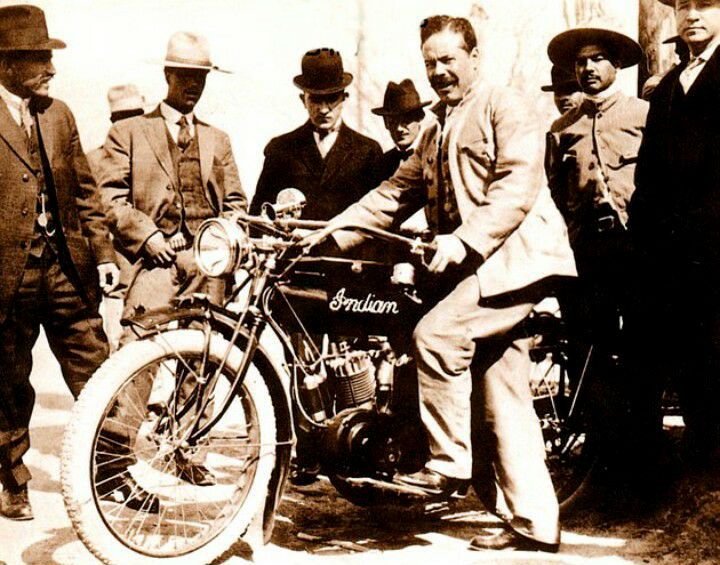
During the Mexican Revolution in the early 1900s, Pancho Villa became both a feared military leader and a folk hero.
Operating primarily in Chihuahua and northern Mexico, Villa’s forces frequently confiscated wealth from large landowners and redistributed resources among supporters. In one famous raid, Villa reportedly seized hundreds of thousands of pesos in livestock, supplies, and currency.
The wealth often included cattle, horses, grain reserves, gold coinage, firearms, ammunition, and agricultural equipment.
Whether one views Villa as a revolutionary or an outlaw depends largely on perspective, but his reputation among ordinary citizens was remarkably similar to that of Robin Hood.
Song Jiang and the Outlaws of Liangshan
China’s most famous Robin Hood figure is probably Song Jiang, the legendary leader featured in the classic Chinese novel Water Margin.
Set during the Song Dynasty, the story follows 108 outlaws who gather at Liangshan Marsh and rebel against corrupt officials. While fictionalized, the tales were inspired by historical events and real bandit groups.
The outlaws routinely seized wealth from corrupt government officials, abusive landlords, and dishonest merchants. Their spoils included silver taels, grain stores, silk, horses, weapons, copper cash coins, and luxury goods.
Rather than enriching themselves alone, the heroes often distributed resources among struggling farmers and villagers, earning widespread admiration.
Ned Kelly: Australia’s Gentleman Outlaw
Australia’s most famous outlaw, Ned Kelly, roamed the countryside of Victoria during the 1870s.
Kelly and his gang robbed banks rather than stagecoaches, collecting sums that today would equal hundreds of thousands of dollars. One notable robbery yielded more than £2,000—a tremendous amount at the time.
The money consisted of banknotes, gold sovereigns, customer deposits, and commercial funds. While Kelly’s redistribution efforts may have been exaggerated over the years, many rural Australians admired his defiance of authority.
His homemade steel armor remains one of history’s most unusual fashion statements—proof that not all outlaws spent their money on expensive jewelry.
Lampião: Brazil’s King of the Bandits
Virgulino Ferreira da Silva, better known as Lampião, operated throughout northeastern Brazil during the 1920s and 1930s.
His band and he, became famous for raiding wealthy ranches and government targets. Some raids generated fortunes equivalent to millions of dollars in today’s money.
The spoils included cash, livestock, food supplies, firearms, clothing, and precious metals. Lampião often distributed portions of these goods among impoverished villagers who helped shelter his group.
This generosity helped transform him from a criminal into a folk legend.
Samori Touré: West Africa’s Warrior Leader
A better-documented historical figure is Samori Touré, who built the Wassoulou Empire in parts of modern-day Guinea, Mali, Ivory Coast, and Sierra Leone during the late nineteenth century.
Although not a “Robin Hood” in the traditional sense, many supporters viewed him as a defender of local communities against foreign encroachment. His armies-controlled trade routes and collected significant resources including gold dust, kola nuts, livestock, textiles, firearms, and agricultural products.
At its peak, the empire controlled valuable commerce worth millions in today’s dollars, making Touré one of the most influential leaders in West African history.
Why We Love Robin Hood Stories
There is something universally appealing about stories in which powerful individuals are humbled and ordinary people benefit.
Perhaps it reflects a desire for fairness. Maybe it’s simple entertainment. Or perhaps people enjoy imagining what they would do if they suddenly acquired a wagon full of gold.
The Legend Endures
From rebels and pirates to Mexican revolutionaries and outlaws, history has produced countless figures who echoed the Robin Hood myth.
Some truly shared wealth. Others merely claimed they did. Many became larger-than-life legends whose stories grew with each retelling.
For travelers interested in following their footsteps, there is no shortage of destinations to explore. You might even find a cheap travel deal to one of these historic regions and discover that the line between hero and outlaw is often thinner than a bowstring.
The next time someone mentions Robin Hood, remember that history produced plenty of imitators—though few could match the staying power of a man who may never have existed at all.