By Gracus Bloom for City Paper
Where Rivers Learned Discipline
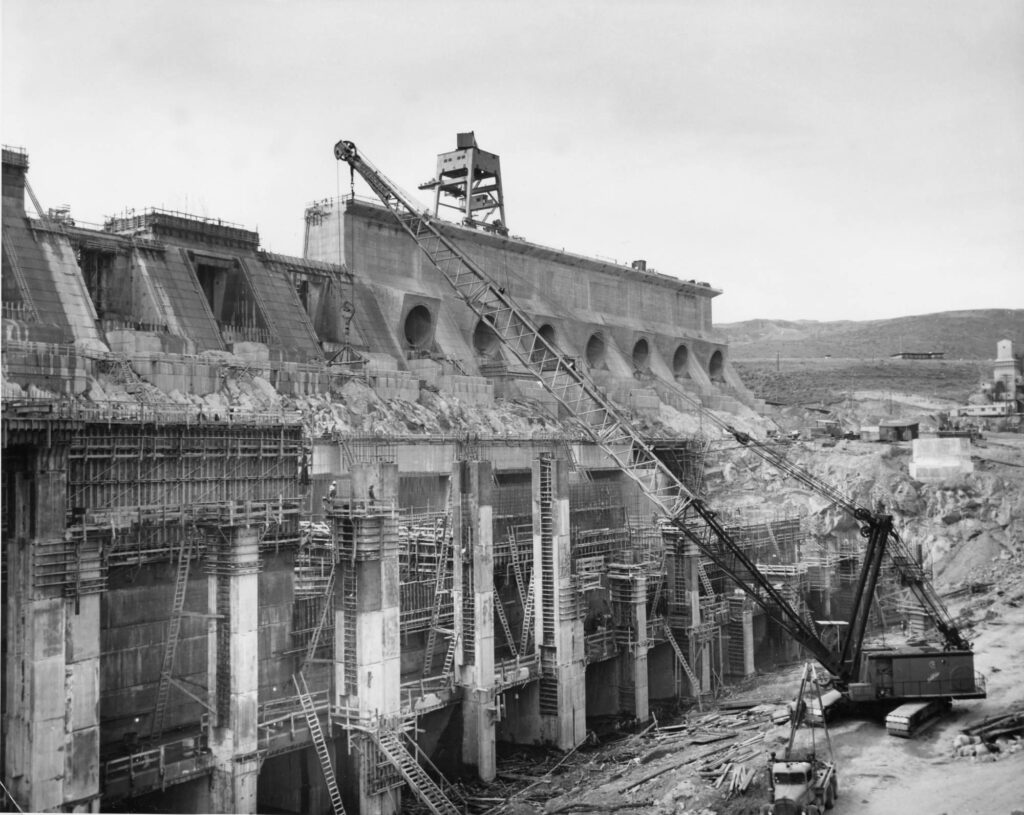
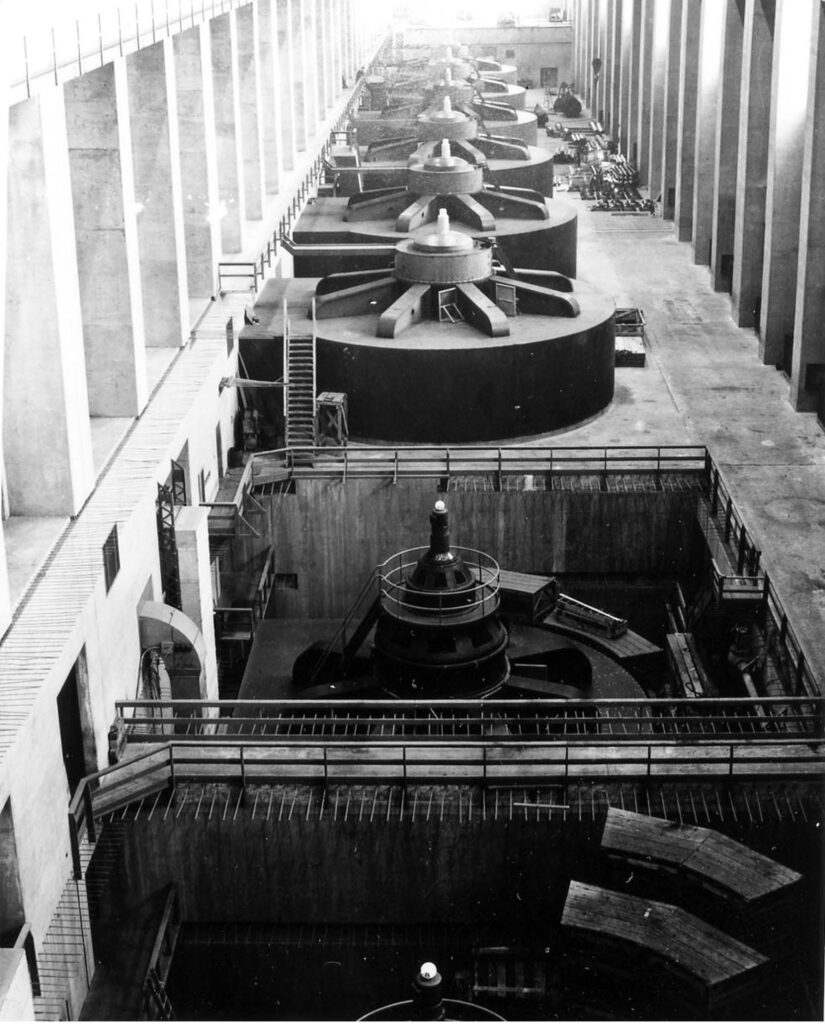
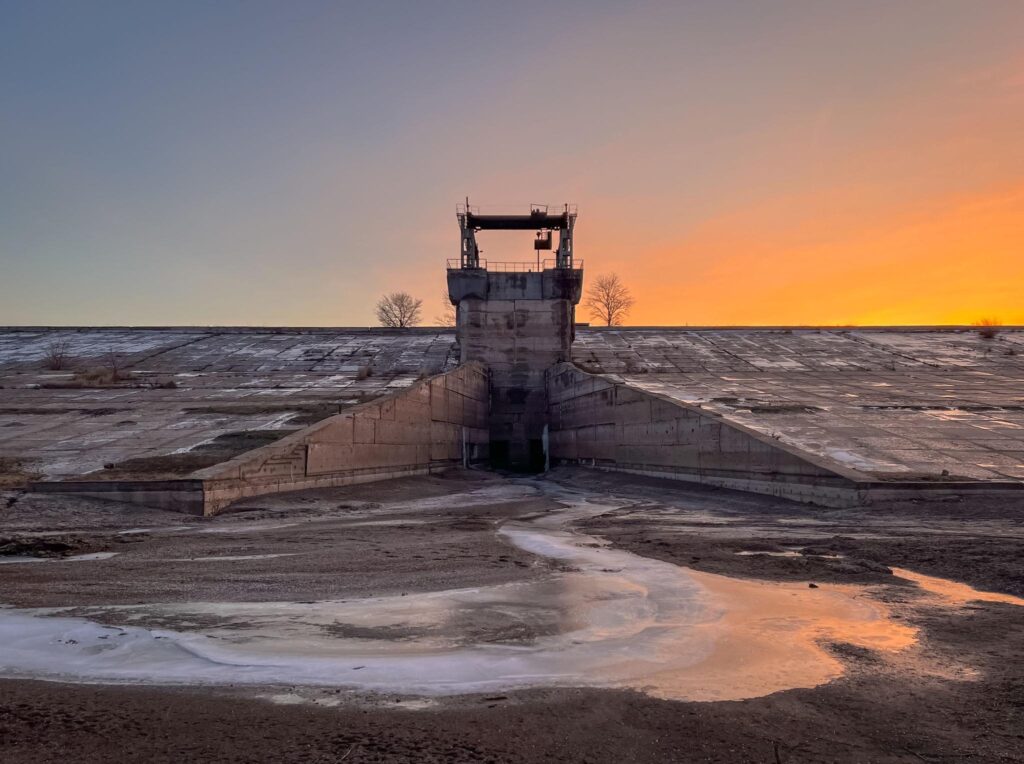
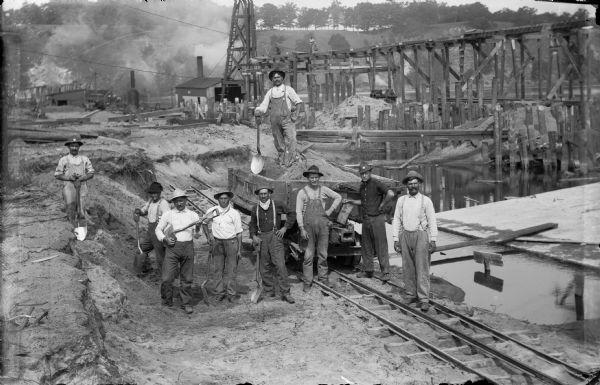
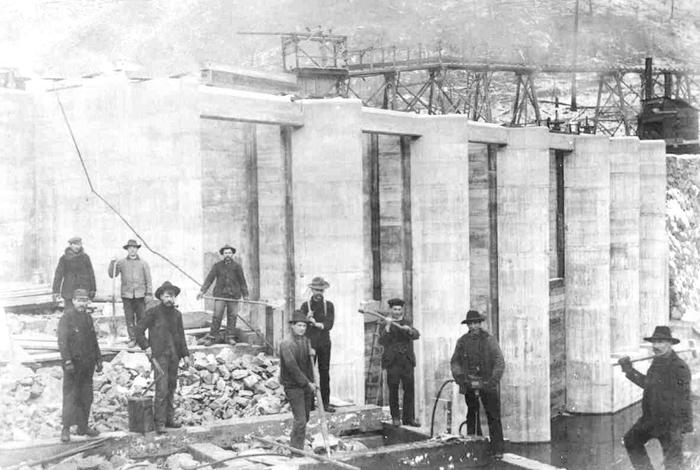
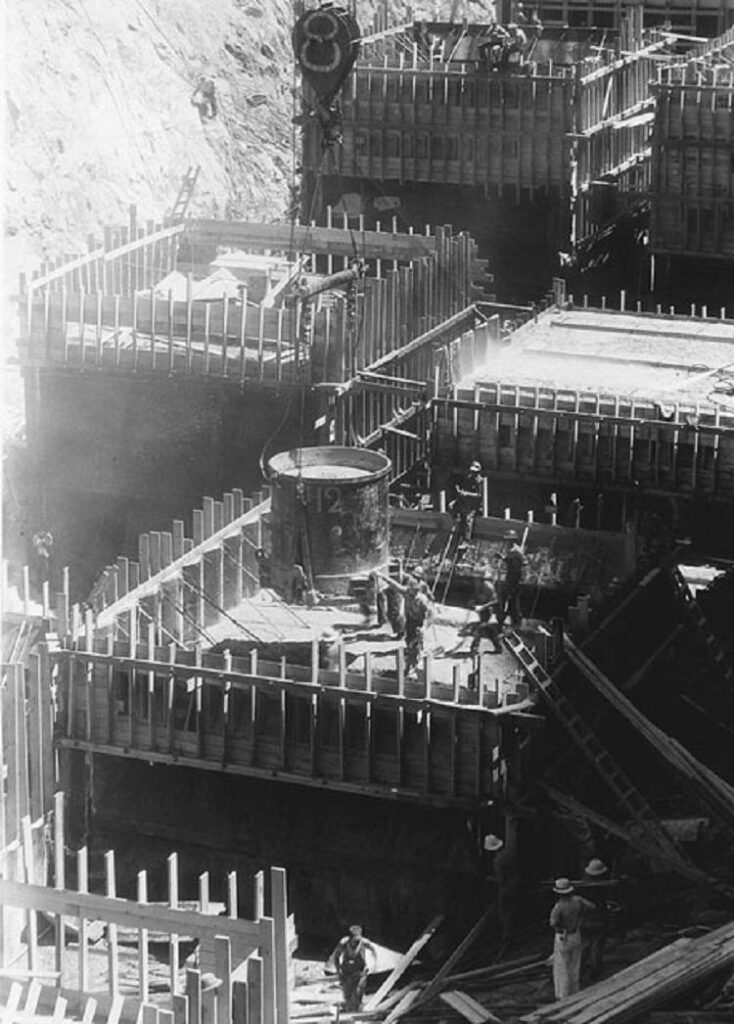
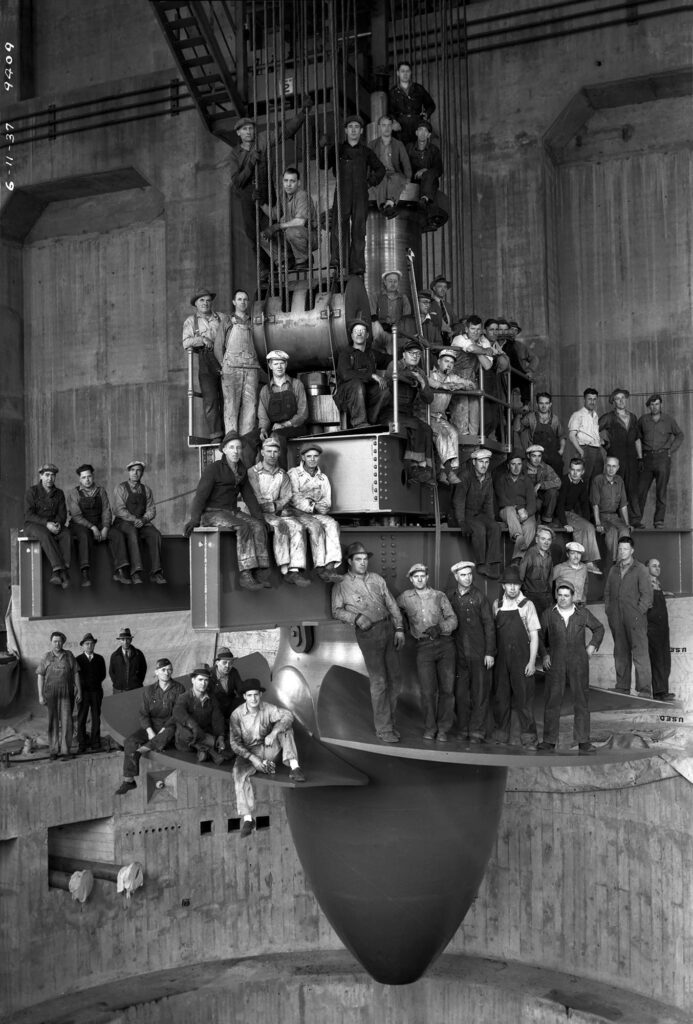
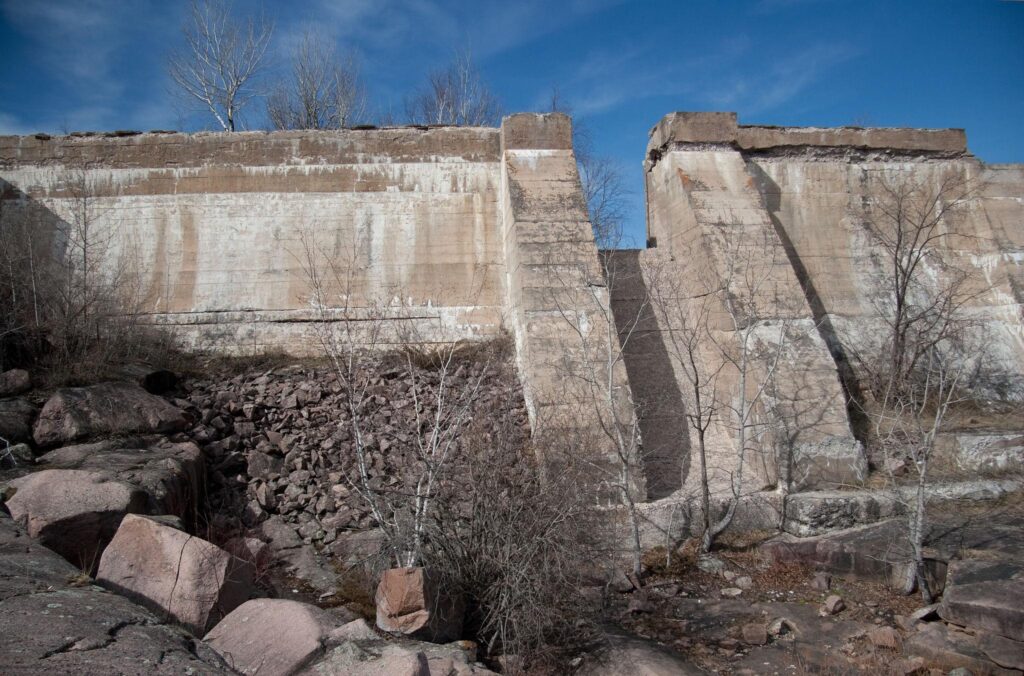
Before the hum of highways and the glow of skylines, there was a quieter ambition—water, guided with intent. America’s early hydroelectric dams did more than generate power; they orchestrated entire cities, coaxing industry, architecture, and culture into being. What remains today is part monument, part memory—stone, steel, and the faint echo of turbines that once changed everything. Even now, as visitors trace these sites, many manage to get cheap travel deals to experience the origins of American power firsthand.
1. St. Anthony Falls Hydropower District – The Mill City’s Pulse
In the 1880s, Minneapolis found its rhythm in the roar of St. Anthony Falls. Engineers and milling magnates transformed raw current into industrial precision.
Construction & Design:
Timber frameworks evolved into reinforced concrete channels and underground turbine systems, capturing energy with increasing sophistication.
Capacity & Craft:
Early output reached multiple megawatts, enough to propel Minneapolis into global prominence in flour production.
What Followed:
- Flour mills and industrial expansion
- Elegant homes along the riverfront
- Growth of engineering education
With such expansion, workshops thrived, and conversations often circled back to where to find a good manual machinist capable of supporting the relentless demand for precision parts.
2. Adams Power Plant Transformer House – The Elegant Shock of Innovation
Completed in 1895, Niagara’s Adams Power Plant was a turning point in modern energy. Guided by Nikola Tesla and realized through George Westinghouse, electricity became a force that could travel—and transform.
Construction & Design:
Water diverted through massive tunnels powered turbines below ground, while alternating current systems transmitted energy across distances.
Capacity & Craft:
Roughly 15,000 horsepower initially—remarkable for its time.
What Followed:
- Electrified cities and industries
- Expansion of manufacturing sectors
- Growth in tourism and infrastructure
As systems grew more complex, facilities required experienced generator technicians to maintain and optimize these groundbreaking operations.
3. Roosevelt Dam – Order in the Desert
By 1911, Roosevelt Dam brought structure to the unpredictable Salt River, shaping the future of Arizona.
Construction & Design:
Cyclopean masonry combined massive stone and concrete, engineered to endure both heat and flood.
Capacity & Craft:
Standing over 280 feet tall, it provided both hydroelectric power and essential irrigation.
What Followed:
- Agricultural growth across central Arizona
- Emergence of Phoenix as a major city
- Jobs spanning construction, farming, and energy
Rapid expansion meant scaling operations—and it quickly became hard to get good electrical assemblers capable of supporting growing infrastructure demands.
4. Holyoke Dam – Precision in Motion
Constructed in 1847, Holyoke’s dam system represented early industrial ingenuity.
Construction & Design:
A gravity dam paired with a canal network distributed water power directly to mills in a carefully controlled system.
Capacity & Craft:
Rather than centralized generation, energy was distributed mechanically—an early form of industrial networking.
What Followed:
- Paper and textile industries
- Planned worker communities
- Expansion of schools and trade education
The demand for high-quality finishes and durable components highlighted that even then, industrial polishers are a rarity when it comes to achieving lasting craftsmanship.
A Printed Elegance: Tin Lithograph Era
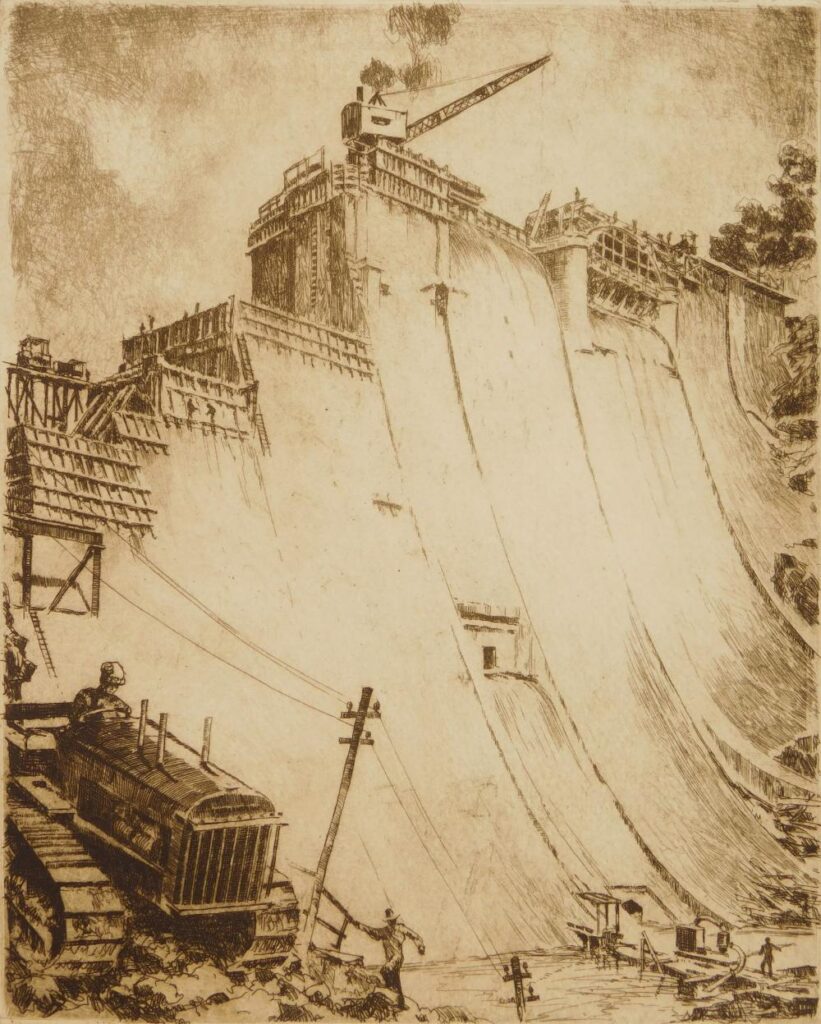
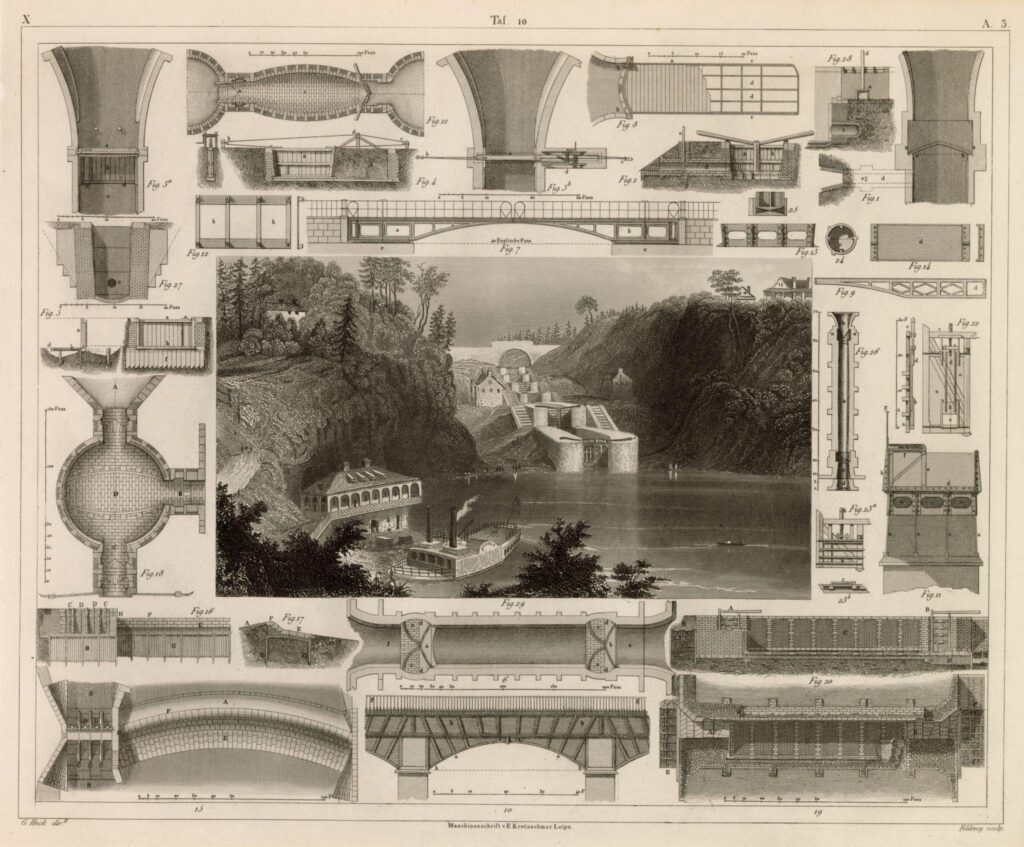
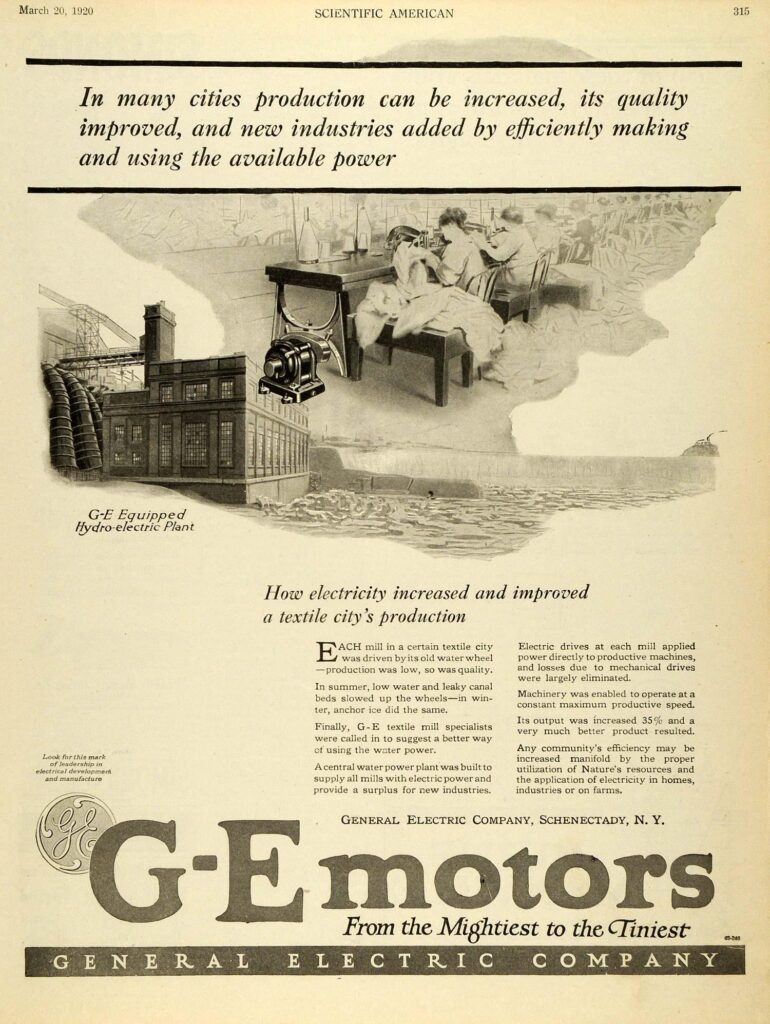
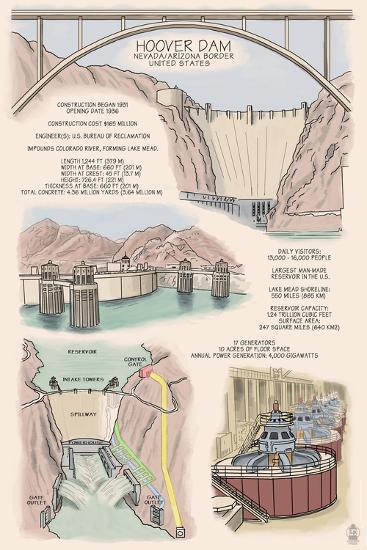
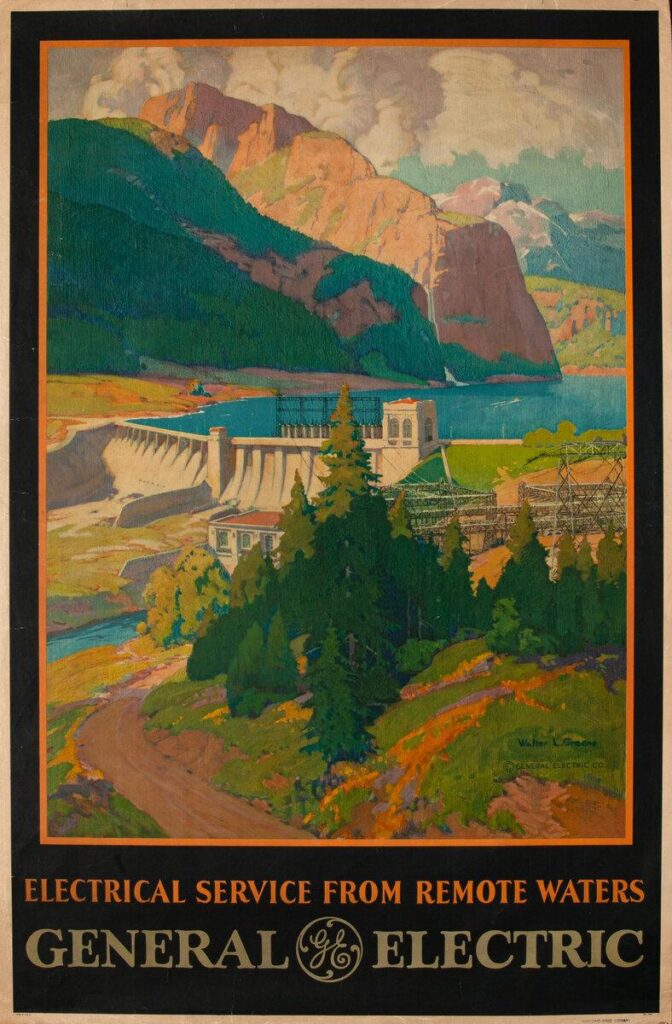
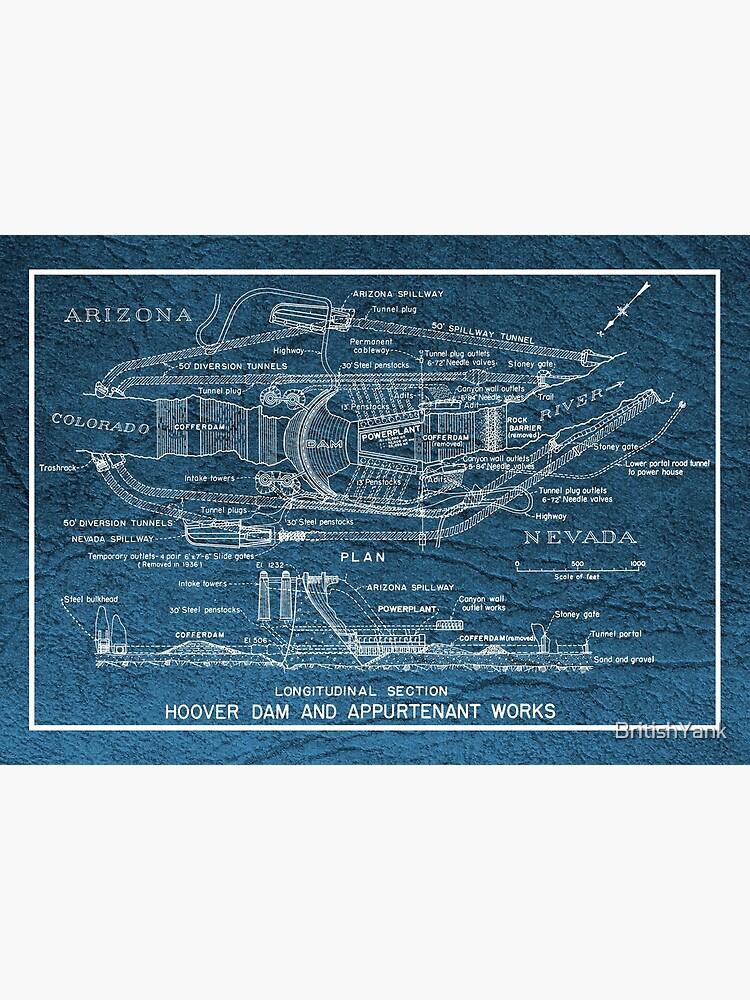
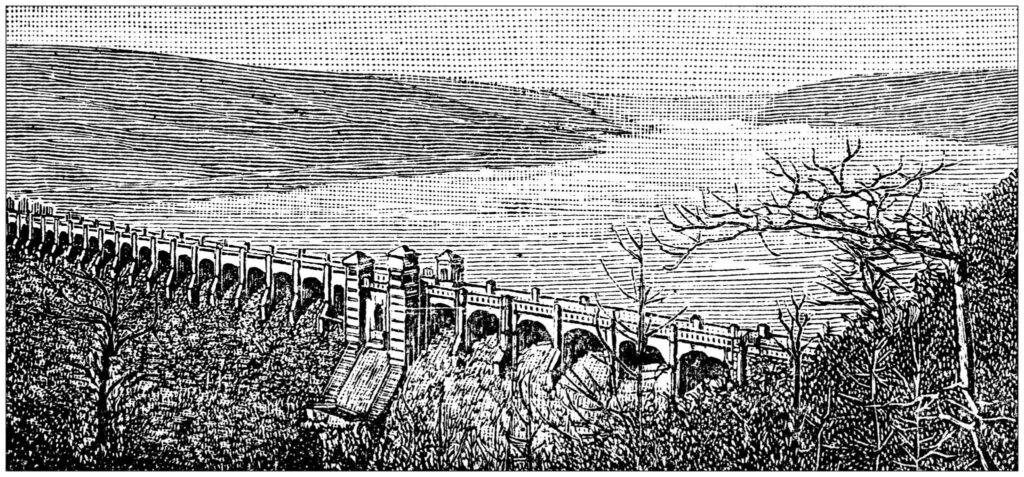
These monumental projects were often celebrated through tin lithograph, vividly illustrating dams, turbines, and workers in action. These prints captured not just infrastructure, but the pride and promise of a nation electrifying itself.
Life in the Wake of Power
With energy came opportunity. Entire communities flourished around these projects:
- Skilled trades expanded rapidly
- Machine shops and fabrication centers multiplied
- Civic institutions, schools, and neighborhoods followed industrial growth
Each dam became more than a structure—it became the foundation for economic ecosystems that still influence these regions today.
Ruins and Reflection
Time has softened many of these sites. Moss-covered spillways and silent turbine halls now stand as quiet witnesses to once-thundering progress. Yet their presence remains powerful—reminding us that infrastructure can shape not just landscapes, but lives.
Final Reflection
These early hydro dams did not simply generate electricity—they generated possibility. They turned rivers into engines, towns into cities, and ambition into reality.
And even now, whether standing in operation or resting in ruin, they continue to tell a story of ingenuity, resilience, and the enduring current of progress.