By Gracus Bloom for City Paper
When War Met Pageantry
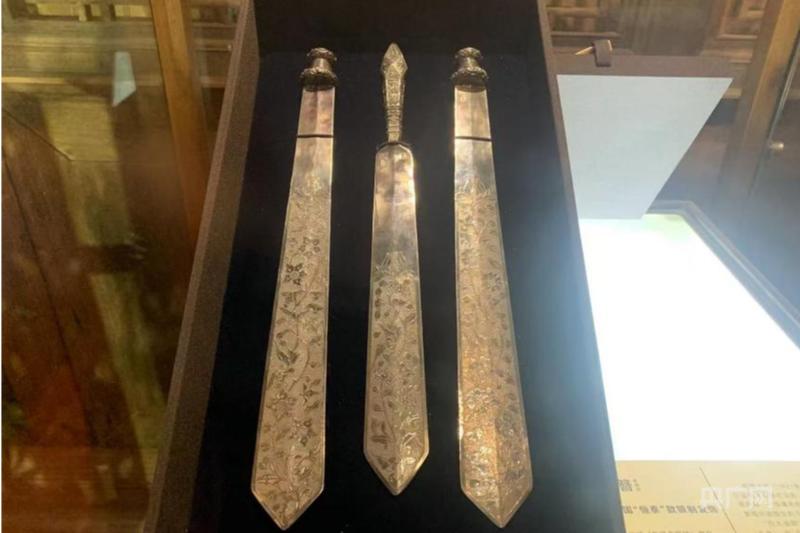

Across centuries, warriors didn’t just fight—they made an entrance. From silver-laced blades to gold-plated shields and helmets studded with gemstones, ceremonial arms blurred the line between battlefield utility and spectacle. These were not merely tools of war; they were statements of power, wealth, and occasionally, a flair for dramatic intimidation.
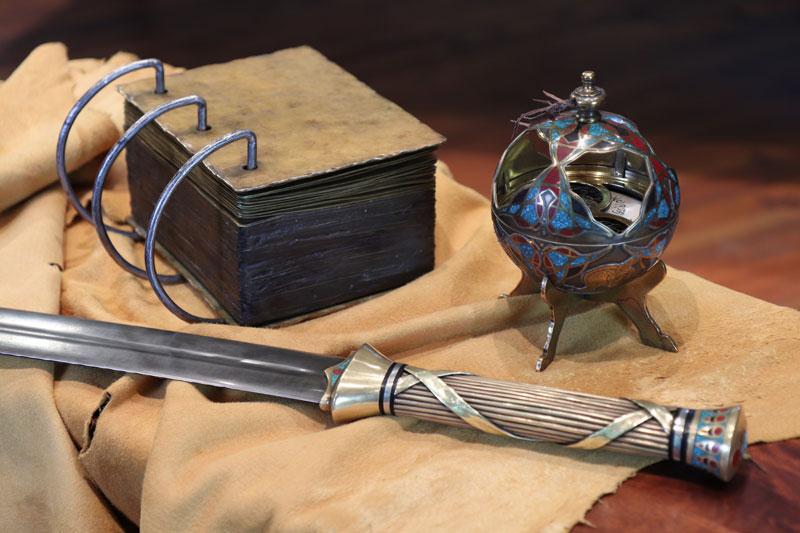
The Silver Sword: Elegance With an Edge
Silver swords have appeared throughout history, though rarely as primary weapons due to silver’s softness. Instead, they were often ceremonial or symbolic—favored by nobility in medieval Europe and even earlier in ancient courts.
Composition & Craft:
Typically forged from a steel core for strength, then overlaid or inlaid with silver. Some blades featured silver wire twisting through engraved channels—a painstaking process requiring a steady hand and patience that would challenge even someone wondering where to find a good insutrial polisher capable of preserving such detail.
Likely Origins:
- Central European forges (Germany, Austria)
- Renaissance Italian workshops
Final Use:
Often carried in parades or court ceremonies, many saw their last “action” in coronations or duels of honor rather than full combat.
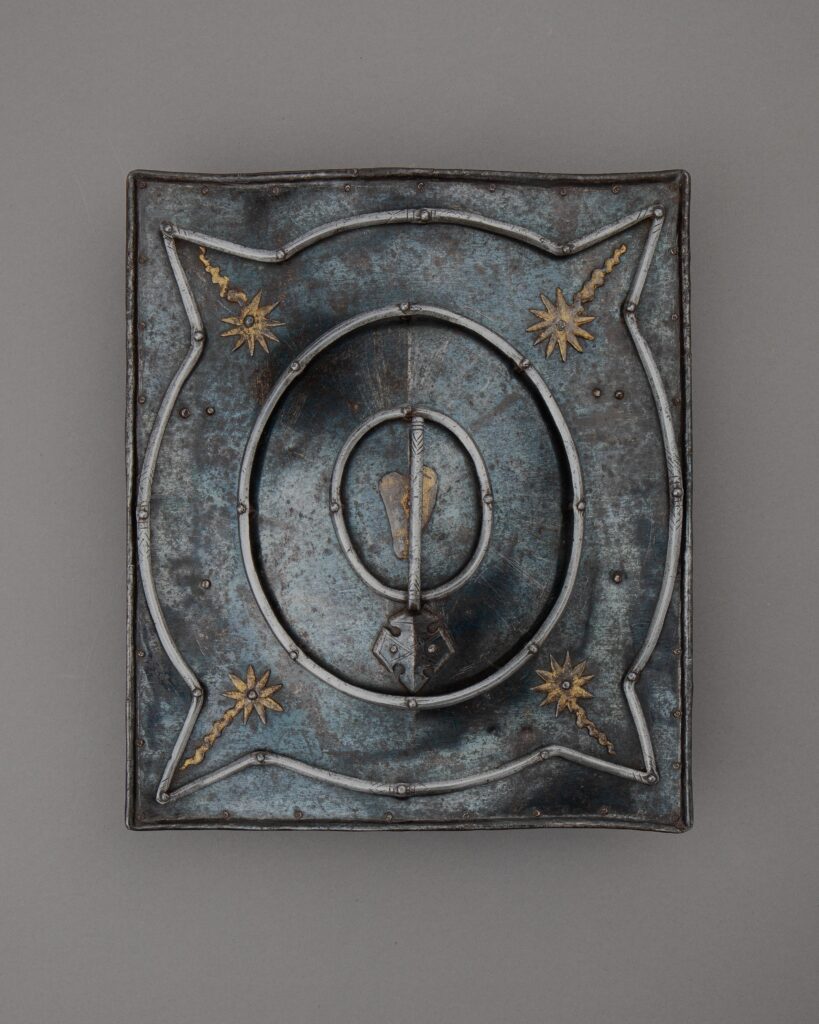
The Golden Buckler: Flash Over Function
If a shield’s job is to deflect blows, a gold buckler’s job was to reflect attention. Popular among Renaissance elites, these small shields were often gilded rather than solid gold—thankfully for the user’s arm strength.
Composition & Craft:
- Steel base
- Fire-gilded gold surface
- Embossed patterns, mythological scenes
The gilding process frequently involved mercury—dangerous work typically handled by an experienced electroplater of the era (long before the term existed, but the skillset was there in spirit).
Forge Locations:
- Florence and Milan
- Spanish royal armories
Final Use:
Primarily ceremonial by the 16th century, often displayed in courts or worn during formal duels.
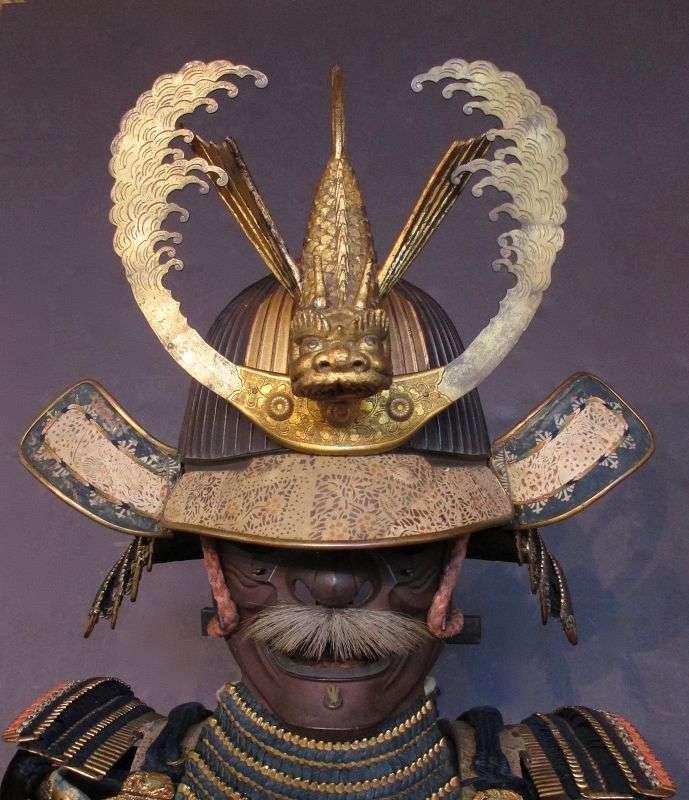
Bejeweled Helmets: Protection Meets Prestige
Helmets adorned with rubies, emeralds, and sapphires were less about defense and more about dominance. These were worn by kings, warlords, and high-ranking commanders.
Composition & Craft:
- Iron or steel base
- Gold leaf or plating
- Gem settings similar to those used in expensive jewelry
Each helmet required collaboration between armorers and jewelers, blending metallurgy with artistry.
Notable Regions:
- Ottoman Empire (lavish turbans and helmets)
- Mughal India (intricately jeweled war gear)
Final Use:
Many of these helmets were last worn in ceremonial reviews or royal appearances, eventually transitioning into treasury collections.
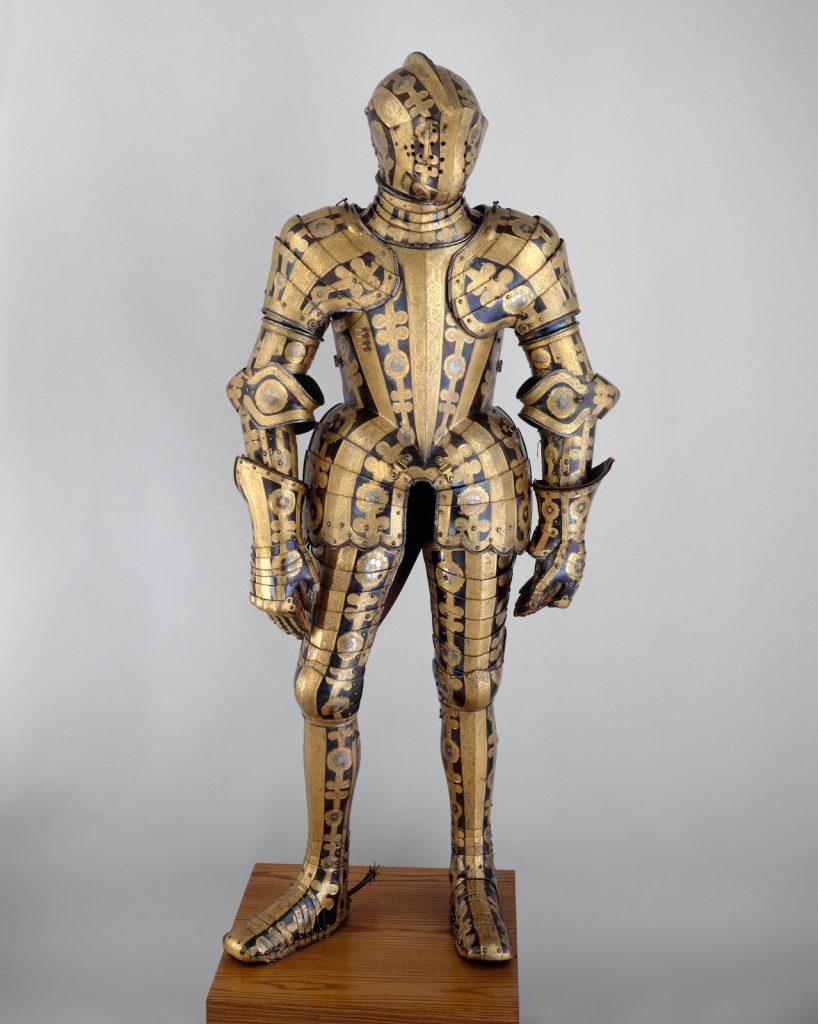
Ceremonial Armor: The Ultimate Flex
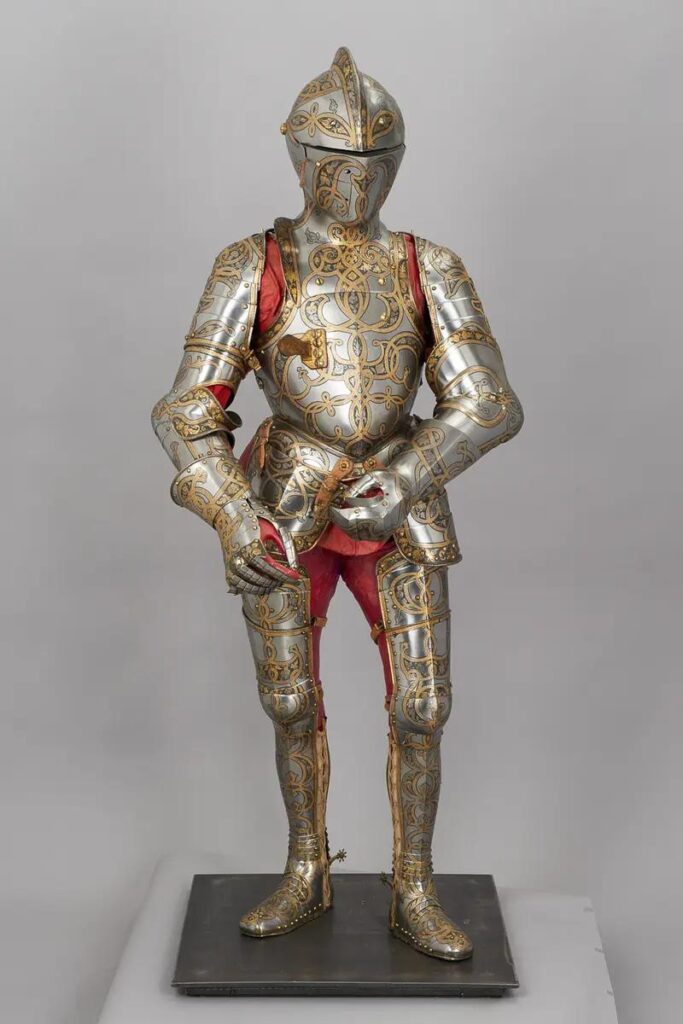
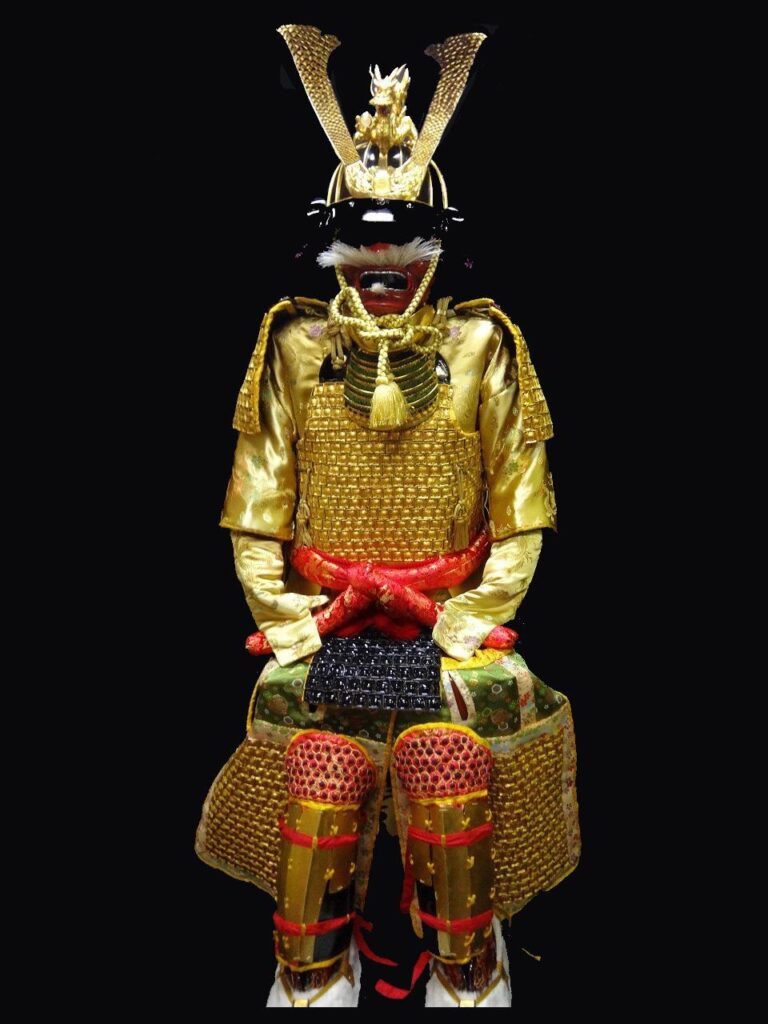
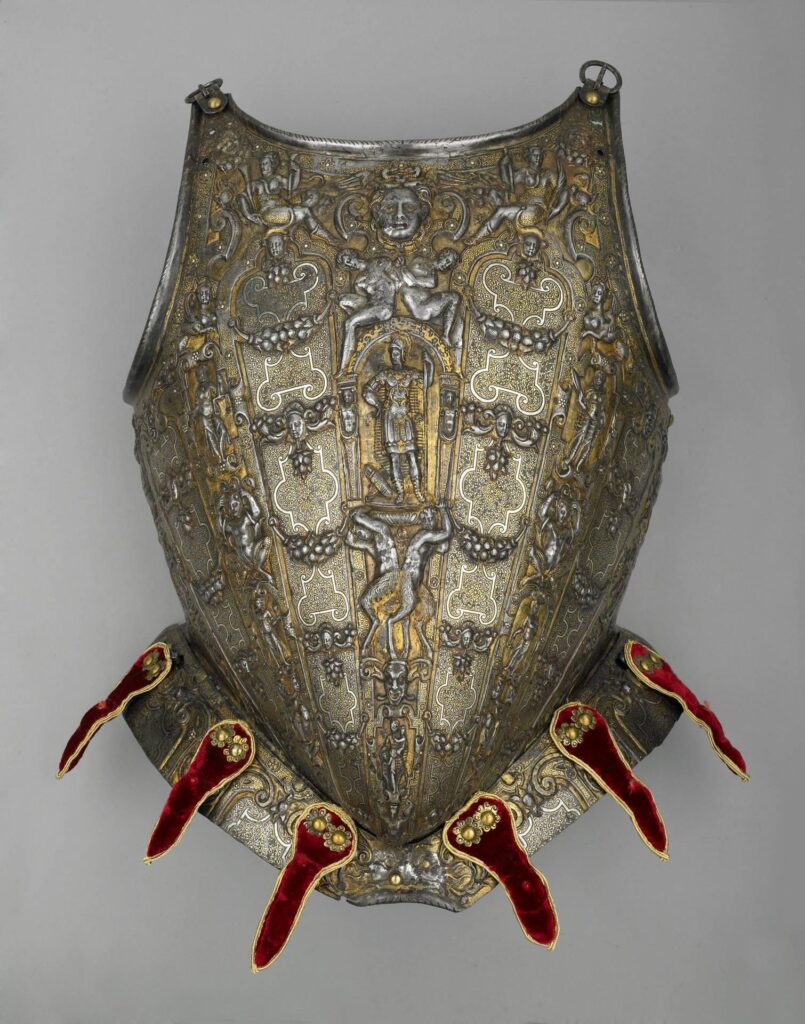
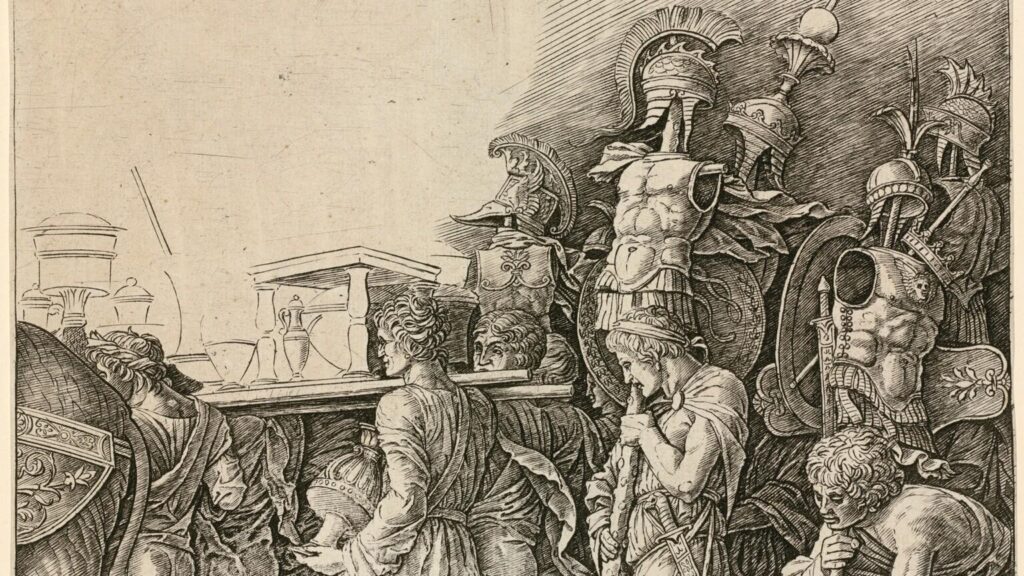
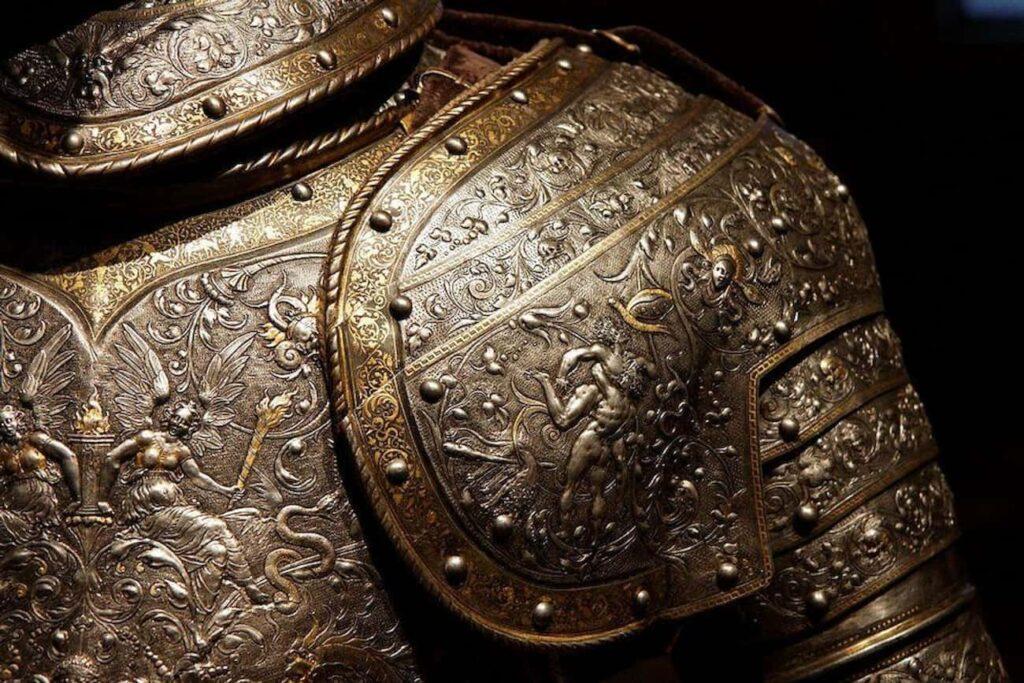
Full suits of ceremonial armor reached their peak during the Renaissance. Think etched steel, gold inlays, and decorative flourishes that made knights look less like soldiers and more like walking masterpieces.
Composition & Process:
- High-quality steel plates
- Gold damascening (inlay work)
- Polishing using abrasives, oils, and cloth wheels
Achieving that mirror-like finish was no small feat—after all, a hard to find metal finisher was worth their weight in gold when armor had to gleam under sunlight.
Forge Centers:
- Augsburg, Germany
- Milan, Italy
Final Use:
By the late 16th century, most of these suits were reserved for parades, tournaments, and royal displays rather than actual warfare.
From Battlefield to Museum Case
Today, these artifacts rest in museums and royal collections, far removed from the chaos they once symbolized. Many reside in places that have become a great tourist hotspot, drawing visitors who marvel at the craftsmanship and extravagance of another age.
Collectors and historians still study the finishing techniques—polishing, gilding, engraving—methods so refined that even modern artisans occasionally struggle to replicate them.
Final Thought
These weapons and armors were never just about survival. They were about presence. Authority. Legacy.
Forged in fire, polished to brilliance, and worn by those who ruled, they remind us that history wasn’t just written in blood and steel—it was also written in gold, silver, and the unmistakable shine of ambition.
And if you ever plan to see them in person, keep an eye out—there are always Cheap travel deals for those willing to chase a little history.