By Gracus Bloom for City-Paper.com
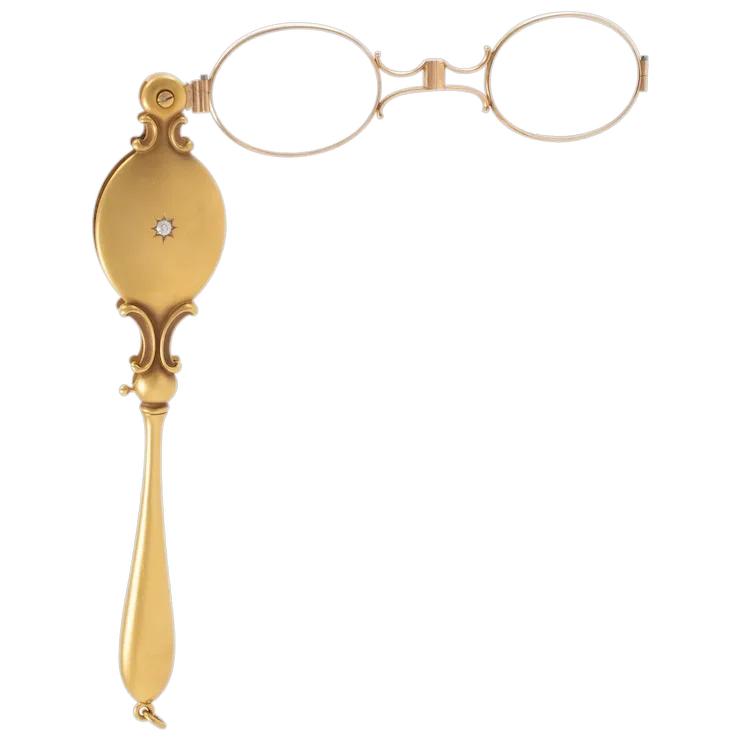
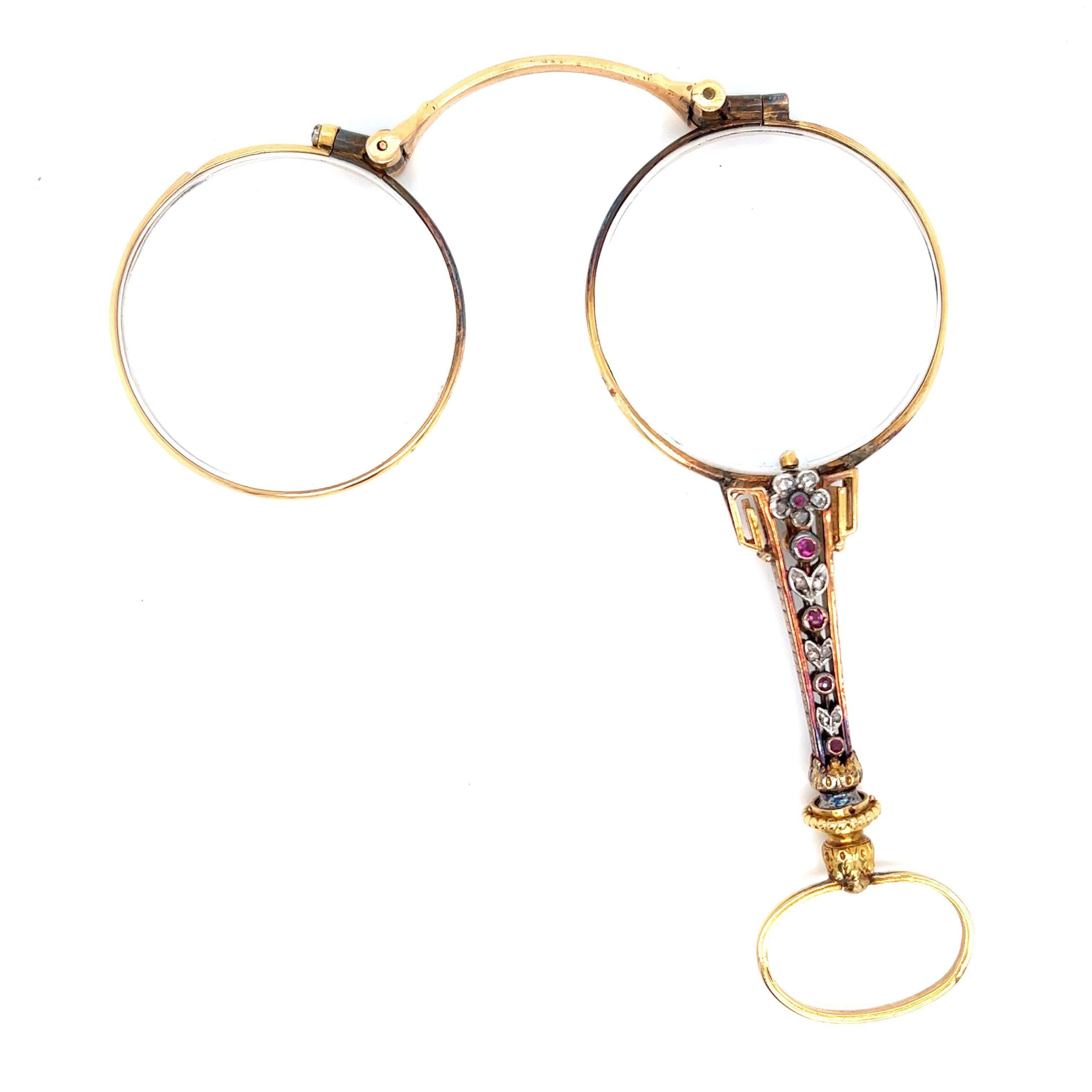
Long before luxury sunglasses became a celebrity accessory, jewelers and royalty were adorning eyewear with precious gemstones, gold, silver, and intricate hand engraving. Throughout history, gem-studded spectacles have served as status symbols, artistic masterpieces, and engineering marvels. While modern luxury brands continue the tradition, some of the most remarkable jeweled eyewear ever created emerged centuries ago.
When Eyewear Became Jewelry
The earliest spectacles appeared in Europe during the late 13th century. Most were practical devices crafted from wood, horn, or metal. By the 17th and 18th centuries, however, wealthy aristocrats began commissioning custom frames featuring gold and silver embellishments.
As gem cutting techniques improved, master craftsmen started incorporating diamonds, emeralds, sapphires, and rubies into decorative eyewear. These pieces often belonged to royalty, nobles, and wealthy merchants eager to display their fortunes in every possible way.
Today, surviving examples from the Georgian and Victorian eras routinely command prices ranging from $10,000 to $100,000 at specialized auctions depending on condition, provenance, and gemstone quality.
The Diamond Spectacles of European Royalty
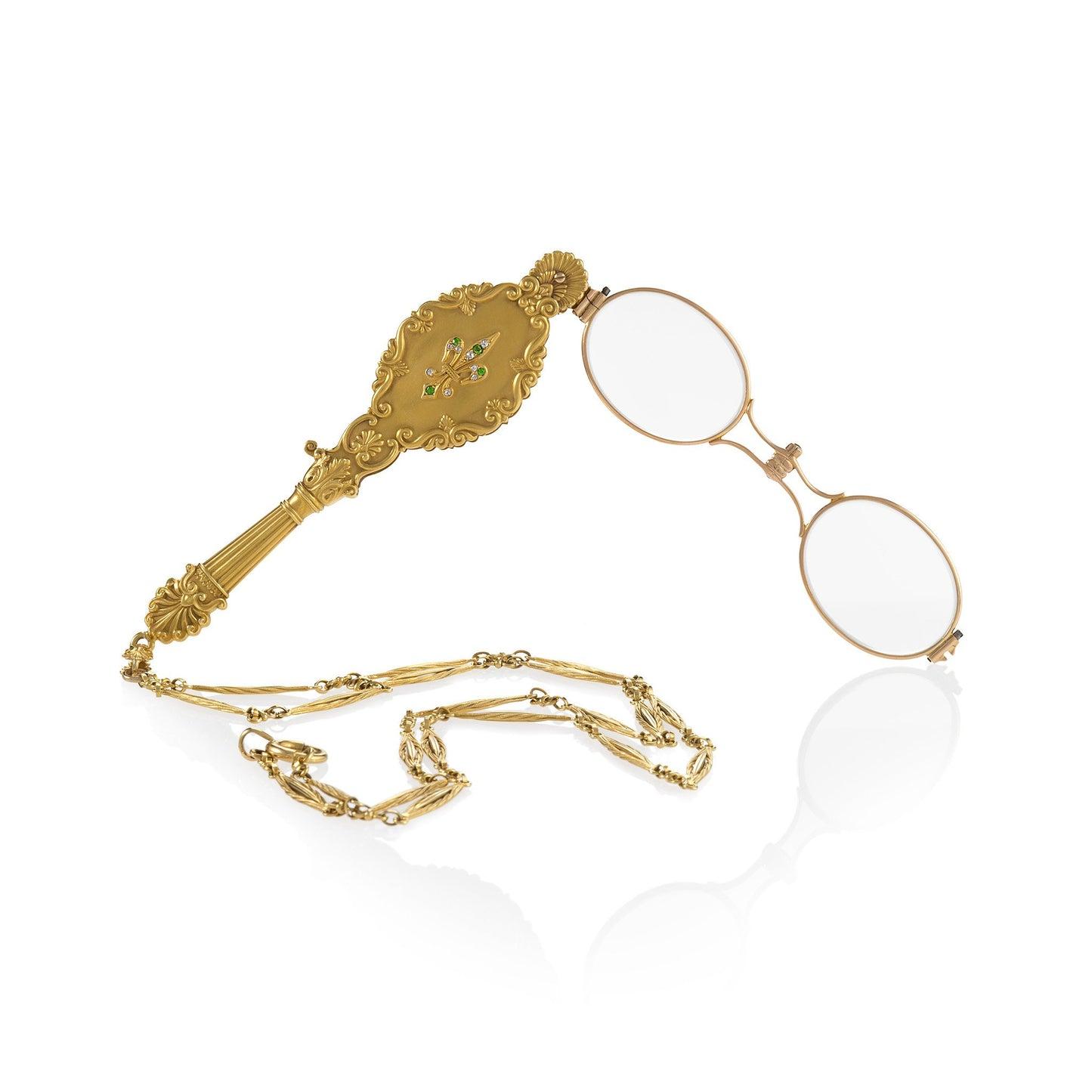
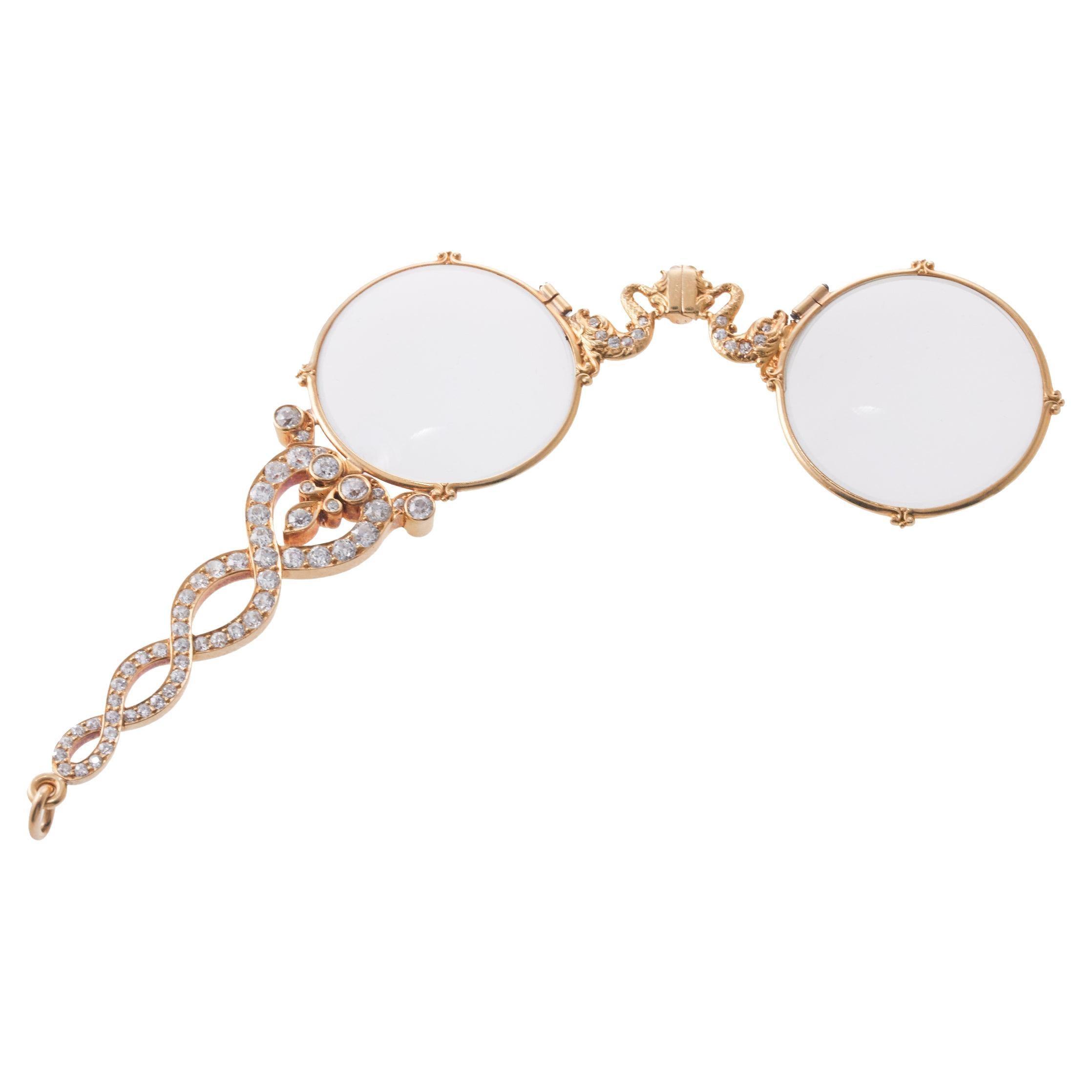
Among the most famous historical examples were diamond-encrusted lorgnettes carried by European aristocrats during the 18th and 19th centuries. Unlike traditional spectacles, lorgnettes featured a handle and were held before the eyes rather than worn.
Many examples featured rose-cut diamonds set into gold frames with pearl accents. Several royal collections included versions containing hundreds of individually set stones.
Experts estimate some surviving examples could exceed $250,000 in value today due to their rarity and historical significance.
The craftsmanship involved was extraordinary. Jewelers individually drilled, cut, and seated each stone into hand-fabricated settings. Before modern machinery, every operation was performed manually using tiny gravers, files, and polishing wheels. Experienced industrial polishers and gem cutters were especially valuable.
Fabergé’s Jeweled Optical Accessories
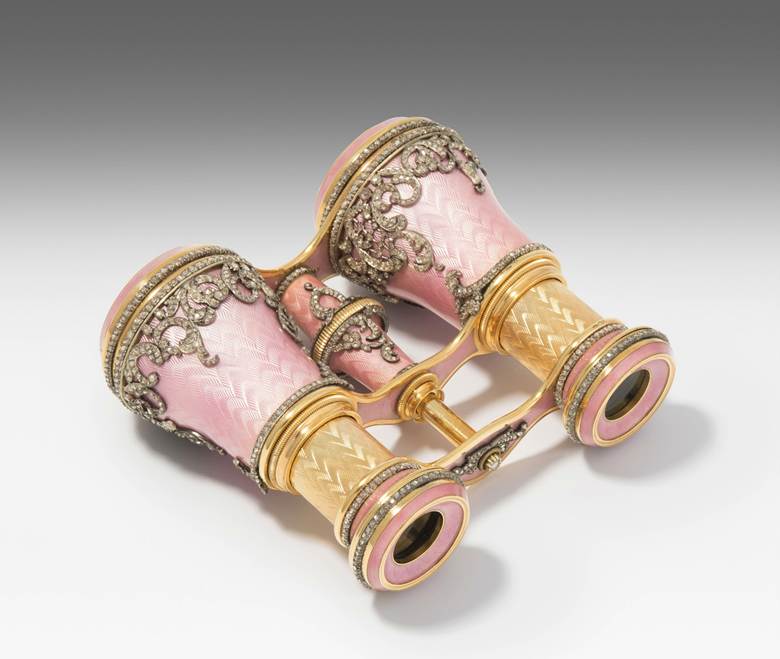
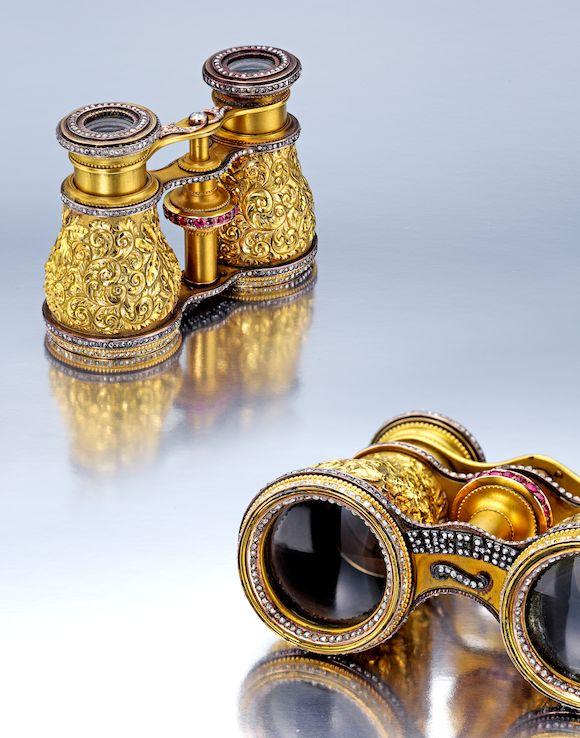
No discussion of luxury accessories is complete without mentioning the creations associated with House of Fabergé. During the late 19th and early 20th centuries, the firm’s workshops produced exquisite jeweled accessories for nobility.
While Fabergé became famous for eggs, the company also crafted eyeglasses, opera glasses, and optical accessories featuring diamonds, enamel work, pearls, and precious metals.
Many surviving pieces sell for hundreds of thousands of dollars today. Their value comes not only from materials but from the extraordinary labor involved. A single accessory could require hundreds of hours of engraving, enameling, stone setting, and final finishing.
Hollywood’s Golden Age of Glamour
By the mid-20th century, gem-studded eyewear found a new audience among movie stars and entertainers. Designers created custom sunglasses featuring diamonds and gemstones around the temples and frames.
Several famous performers commissioned custom eyewear featuring precious stones to complement stage costumes. While practical eyeglasses remained relatively understated, stage and promotional pieces often pushed design boundaries.
Modern collectors actively pursue these vintage examples, especially pieces associated with celebrities or luxury jewelers. Auction values frequently range from $15,000 to over $100,000 depending on provenance.
The Million-Dollar Sunglasses Era
The luxury eyewear market exploded during the late 20th and early 21st centuries. Designers began creating eyewear that rivaled high-end jewelry collections.
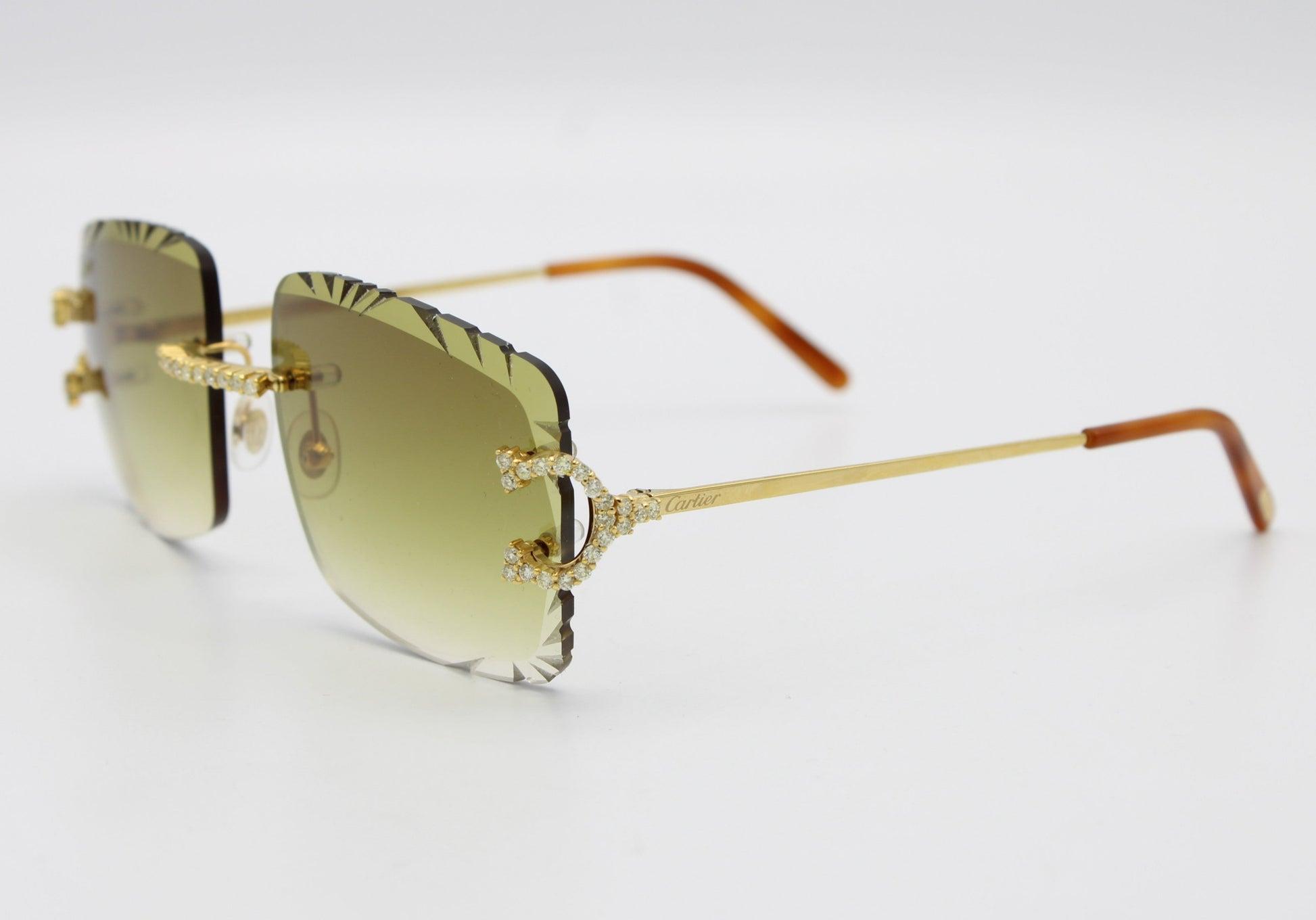
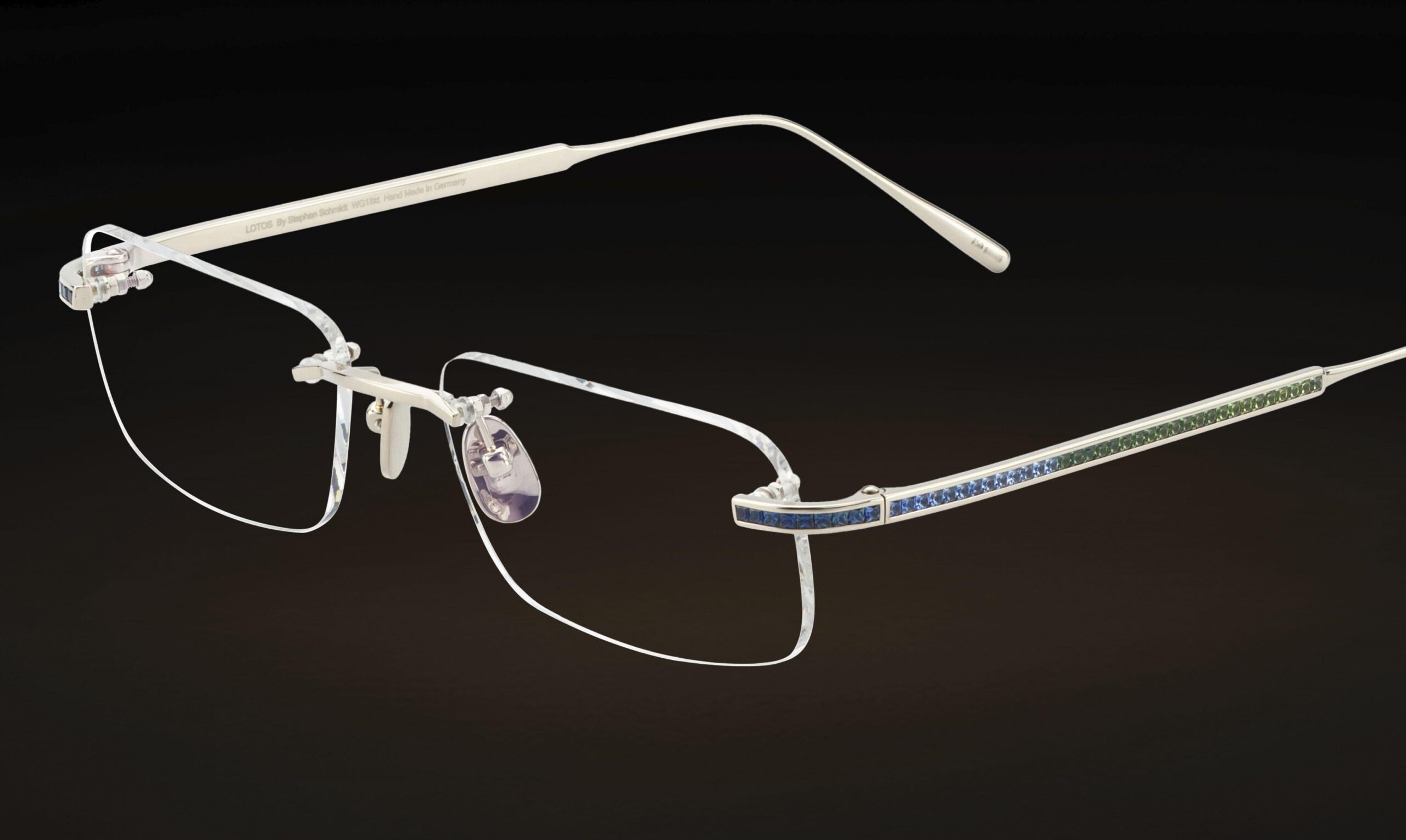
Perhaps the most famous examples include sunglasses featuring hundreds of diamonds mounted in gold frames. Several luxury manufacturers have produced limited-edition models valued between $250,000 and $1 million.
One diamond-covered frame unveiled during the early 2000s reportedly contained more than 100 carats of diamonds. Such creations blur the line between wearable fashion and museum-quality art.
These pieces represent the pinnacle of very expensive jewelry, combining optical engineering with gemstone artistry in ways rarely seen outside elite auction houses.
The Tedious Art of Creating Gem-Studded Eyewear
Producing luxury jeweled eyewear remains one of the most demanding specialties in the jewelry industry.
The process typically begins with hand-drawn designs and computer modeling. Precious metal frames are then cast or fabricated before undergoing extensive finishing.
Stone setters must carefully position each gem while maintaining structural integrity and wearer comfort. Even slight errors can compromise alignment or weaken the frame.
After gemstone installation, surfaces are polished repeatedly to achieve a flawless finish. The final stages often involve inspection under magnification and multiple rounds of quality control.
Many manufacturers rely on a good jewelry polisher to complete the final surface preparation before stones are mounted or before finished pieces leave the workshop.
Certain luxury frames may also receive precious metal coatings because electroplating is a fine art when executed correctly. Uniform thickness, color consistency, and long-term durability require exceptional technical skill.
A Symbol of Wealth and Craftsmanship
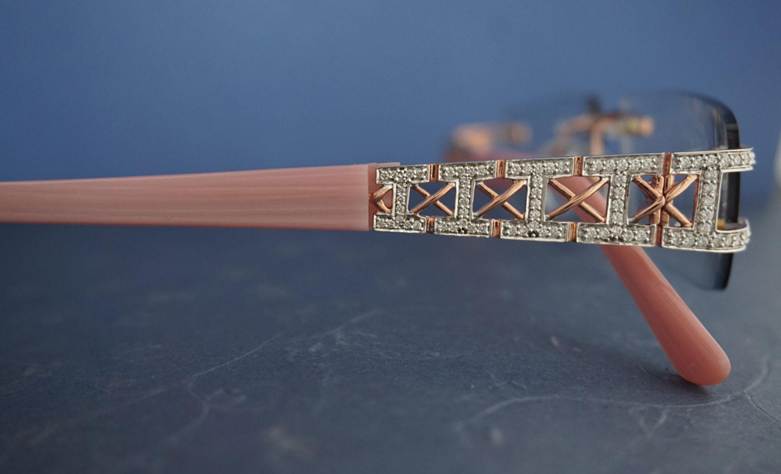
Despite advances in manufacturing technology, the appeal of gem-studded eyewear remains rooted in old-world craftsmanship. Each piece represents hundreds of decisions made by designers, setters, engravers, polishers, and optical specialists.
Collectors continue traveling worldwide to acquire rare examples. Some enthusiasts jokingly claim they would trade a cheap travel deal to jewelry stores on Sansom Street for a chance to view certain private collections containing historical jeweled spectacles rarely displayed to the public.
From Victorian diamond lorgnettes to modern million-dollar sunglasses, gem-studded eyewear demonstrates how jewelry artistry can transform an everyday object into an enduring symbol of luxury. While fashions change, the fascination with precious stones and exceptional craftsmanship shows no sign of fading anytime soon.