There is a particular kind of American meal that tastes better outdoors.
It might begin with a morning in the woods, a day beside a cold lake or a long drive down a gravel road. By lunchtime, the cooler comes out, the camp stove gets fired up and a meal built around wild game or freshly caught fish becomes the centerpiece.
Pheasant, grouse, quail, pickerel, lake trout and crappie all have something in common: they are lean, flavorful proteins that lend themselves to straightforward cooking. Some are best quickly grilled or fried, while others become spectacular when combined with onions, herbs, potatoes, mushrooms, bacon, cornbread or a simple cream sauce.
The tradition is hardly new. America’s hunting and fishing cultures developed alongside rural communities, family camps and lakeside vacations. What has changed is how creatively people prepare the catch.
Today, the field meal has become part outdoor recreation, part regional cuisine and part weekend ritual.
Pheasant: The Classic Upland Dinner
Pheasant has long been associated with autumn fields and upland hunting.
The bird has relatively lean meat, particularly the breast, which means it benefits from careful cooking. One of the easiest ways to build a memorable pheasant meal is to keep the preparation simple.
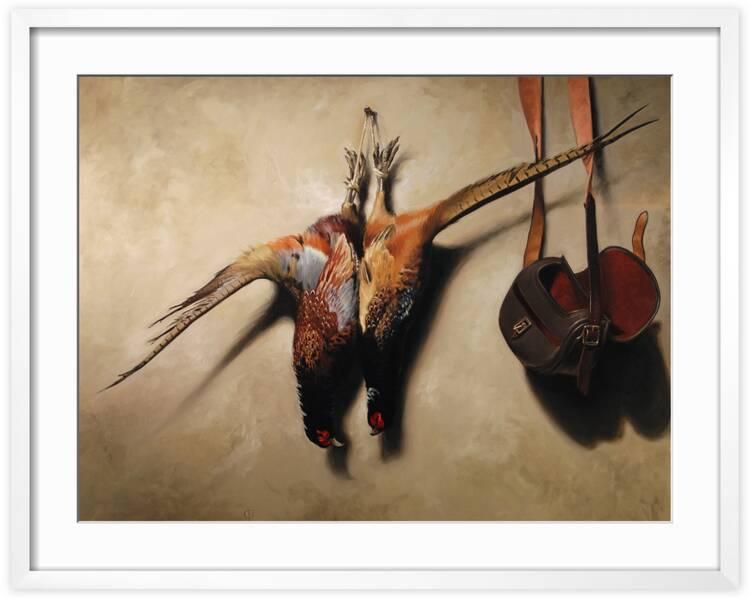
Campfire Pheasant with Apples and Onions
Start with pheasant breasts and season them with salt, black pepper, garlic and a little thyme. Brown them in a cast-iron skillet with butter or olive oil.
Add sliced onions and tart apples.
Once the onions begin to caramelize, add a small amount of chicken stock or cider and allow everything to simmer until the pheasant is thoroughly cooked.
Serve it with roasted potatoes and a simple green salad.
The sweet apple contrasts beautifully with the savory bird.
Another classic approach is bacon-wrapped pheasant. The bacon adds fat while cooking, helping protect the relatively lean meat from drying out.
The USDA specifically notes that wild game is generally leaner than domestic meat and recommends techniques such as covering game birds with oil-soaked cheesecloth or bacon to help prevent drying. Whole game birds should reach 165°F internally, measured with a food thermometer. (Food Safety and Inspection Service)
Grouse: A Taste of the North Woods
Grouse is a completely different experience.
The bird has a distinctive woodland flavor that pairs especially well with mushrooms, onions, wild rice and root vegetables.
For a campsite dinner, grouse can be quartered and browned in a Dutch oven.
Add onions, mushrooms, carrots and celery, followed by stock and herbs. Cover the Dutch oven and allow the meal to cook gently until the meat is tender.
Serve it over wild rice.
That combination makes sense geographically as well as gastronomically. Grouse country is often associated with northern forests where wild rice, mushrooms and hardy root vegetables fit naturally into the regional pantry.
A more refined version can be made at home by pan-searing grouse breasts and serving them with a mushroom reduction.
The trick is restraint.
Grouse does not need an elaborate collection of spices. Its distinctive flavor is part of the attraction.
Pickerel: The Great Pan-Fried Lake Dinner

In many parts of the Midwest and northern United States, pickerel is a favorite name for fish in the walleye family.
Few outdoor meals are easier than a fresh fish fry.
For a classic pickerel dinner, cut the fillets into manageable portions and pat them dry.
Prepare three shallow dishes:
- seasoned flour
- beaten egg
- breadcrumbs or crushed crackers
Dip the fish through the sequence and fry in a cast-iron skillet.
A squeeze of lemon finishes the dish.
Add homemade tartar sauce, coleslaw and fried potatoes and you have the kind of meal that belongs beside a lake.
For a lighter version, place the fillets on foil, add lemon slices, butter, dill and a few thinly sliced onions, then cook them over a grill.
The resulting fish is delicate, flaky and aromatic without being buried under heavy seasoning.
Fish should reach a minimum internal temperature of 145°F, according to USDA food-safety guidance. (Food Safety and Inspection Service)
Lake Trout: Cold-Water Flavor on the Grill
Lake trout has a richer flavor and higher natural fat content than many lean freshwater fish.
That makes it particularly suitable for grilling.
A simple lake-trout recipe requires little more than:
lake trout + lemon + butter + dill + garlic + salt + pepper.
Place the fillet skin-side down on a sheet of foil. Add butter, lemon slices, minced garlic and dill.
Fold the foil into a packet and place it on the grill.
The steam helps keep the fish moist while the butter and herbs create a sauce.
For a more rustic preparation, cook a whole cleaned trout over a fire using a fish basket. Stuff the cavity with lemon, onion and fresh herbs.
Serve it with grilled corn, potato salad and sliced tomatoes.
For a picnic, however, the fish can be prepared at home and served cold.
Flaked lake trout works beautifully in sandwiches with celery, dill, lemon and mayonnaise.
That can be a particularly good lunch for a day hiking around a lake.

Quail: Small Bird, Big Flavor
Quail may be small, but it is one of the most visually impressive birds to put on a dinner table.
The meat is delicate and naturally suited to quick cooking.
One of the easiest preparations is grilled quail.
Split the birds down the backbone and flatten them slightly. Brush them with olive oil and season with salt, pepper, garlic and rosemary.
Grill them quickly over medium-high heat.
Serve two birds per person with grilled vegetables and a warm grain salad.
For a Southern-inspired meal, quail can also be fried.
Season the birds, dredge them in seasoned flour and fry until cooked through.
Serve them with biscuits, gravy and greens.
The combination of a small wild bird with classic Southern side dishes creates a meal that feels both rustic and celebratory.
Because quail is poultry, the same USDA poultry safety standard applies: cook it to 165°F internally. (Food Safety and Inspection Service)
Crappie: The Camp-Fry Favorite
Crappie may be one of the most popular fish for a simple outdoor lunch.
Its mild, white flesh makes it particularly forgiving for newcomers to freshwater cooking.
The traditional approach is straightforward.
Clean and fillet the fish.
Season with salt and pepper.
Dip into cornmeal seasoned with paprika and garlic.
Then fry until golden.
Serve with hush puppies, coleslaw and lemon.
For an outdoor gathering, this is almost impossible to beat.
A large cast-iron skillet can become the center of the meal while guests bring side dishes.
A lighter option is grilled crappie with lemon and herbs.
Another possibility is fish tacos. Cut cooked crappie into chunks and serve in warm tortillas with cabbage, lime, salsa and avocado.
The mild fish allows the toppings to provide most of the character.
Building the Perfect Field Picnic

The protein may be the star, but the side dishes determine whether the meal becomes memorable.
Several foods work across nearly every one of these meals.
Potato Salad
A traditional potato salad travels well in a cooler and pairs with virtually everything from fried crappie to grilled pheasant.
A version made with mustard, celery, onion, boiled eggs and a little pickle relish gives the meal a classic picnic character.
Cornbread
Few things go better with game birds.
A skillet of cornbread can be baked ahead of time, sliced and transported in a sealed container.
For something different, add jalapeños and shredded cheddar.
Wild Rice Salad
Wild rice provides a particularly good companion to grouse and pheasant.
Combine cooked wild rice with dried cranberries, toasted pecans, green onions and a light vinaigrette.
It can be served cold or at room temperature.
Grilled Vegetables
Zucchini, peppers, onions, mushrooms and corn are easy to prepare ahead of time.
They can be grilled while the main course rests.
Pickles
Never underestimate the value of pickles at an outdoor meal.
The acidity cuts through fried food and rich game birds.
Five Great Places to Spread Out a Picnic
The best field meal doesn’t necessarily have to be eaten where the animal was harvested.
In fact, separating the hunting or fishing location from the picnic location can make the meal considerably easier.
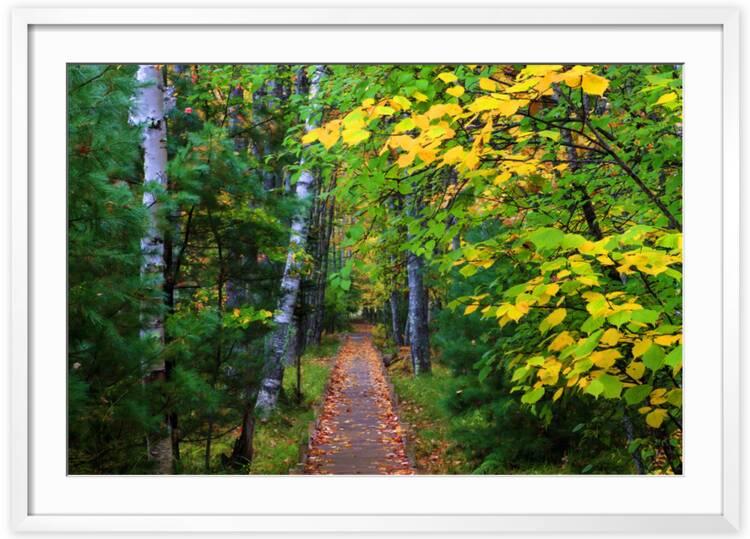
Acadia National Park, Maine
The rocky coastline, forest roads and mountain views make Acadia one of America’s classic outdoor destinations.
A picnic here can combine a morning hike with lunch overlooking the water.
Lake trout would be particularly appropriate as a regional-inspired meal, although visitors must follow all park rules regarding fishing, food storage and wildlife.
Cuyahoga Valley National Park, Ohio
Between Cleveland and Akron, Cuyahoga Valley offers forests, trails, rivers and open spaces.
It is an excellent setting for a family picnic, particularly when the meal is prepared ahead of time.
A basket containing cold pheasant sandwiches, potato salad and fruit would make an excellent trailhead lunch.
Shenandoah National Park, Virginia

The Blue Ridge Mountains provide dozens of scenic places to stop for a picnic.
A thermos of soup made from leftover pheasant or grouse, accompanied by cornbread and apples, would fit perfectly into a cool-weather mountain lunch.
Visitors should always check current park regulations before bringing or preparing food.
Sleeping Bear Dunes National Lakeshore, Michigan
Lake Michigan provides the scenery for an outstanding freshwater-themed picnic.
A chilled pickerel or crappie salad sandwich, coleslaw and lemonade would make a perfect warm-weather lunch.
The enormous dunes also provide plenty of opportunities to work up an appetite before lunch.
Great Smoky Mountains National Park, Tennessee and North Carolina
The Great Smoky Mountains are among the country’s most famous outdoor destinations.
A simple picnic of grilled quail, cornbread, beans and fresh vegetables would make a memorable mountain meal.
As with all public lands, visitors need to follow local rules regarding food storage, wildlife interactions, fishing and other activities.
The Cooler Is Part of the Recipe
One part of the outdoor meal deserves as much attention as the seasoning: temperature control.
USDA guidance says perishable food should generally be refrigerated within two hours, or within one hour when temperatures exceed 90°F. (Food Safety and Inspection Service)
That means a proper field meal should have a good cooler, plenty of ice or frozen packs and separate containers for raw and cooked food.
Raw game should never be placed directly against ready-to-eat foods.
A separate cutting board and utensils are also a smart idea.
For fish and poultry, a thermometer is considerably more reliable than judging doneness by color.
USDA specifically recommends using a food thermometer because appearance alone cannot reliably establish whether food has reached a safe temperature. (Food Safety and Inspection Service)
The New American Field Table
There is something enduring about eating food outdoors.
A pheasant breast browned in a cast-iron skillet, grouse with mushrooms, pickerel with lemon, lake trout cooked over a fire, grilled quail or a basket of golden crappie can transform an ordinary afternoon into an event.
The appeal isn’t just the food.
It is the setting.
A picnic table overlooking a lake.
A blanket beneath an oak tree.
A mountain vista after a morning hike.
A campsite with the smell of wood smoke drifting through the air.
These meals also connect modern outdoor recreation with older American traditions of hunting, fishing, preserving food and cooking with whatever was available.
The modern field meal simply has better coolers, better thermometers and considerably more recipe options.
And that may be the best part.
You don’t need an expensive restaurant reservation to create a memorable meal.
You need good ingredients, a safe way to transport them, a reliable cooking method and a place worth sitting down.
Whether the destination is a national park, state forest, lakeshore or a simple picnic area near home, the combination of wild game, freshwater fish and outdoor cooking remains one of the country’s great food traditions.
For travelers planning an outdoor food adventure, cheap travel deals can make it easier to turn a weekend hunting or fishing trip into a larger road trip—but the best destination may ultimately be the one with a good view, a picnic table and enough time to enjoy lunch.
Field Meal Food-Safety Reminder
Wild game and fish should be handled carefully from harvest through cooking. Keep raw foods cold, prevent cross-contamination and use a food thermometer. USDA recommends 165°F for poultry and 145°F for fish. Always follow applicable hunting, fishing, transportation and public-land regulations for the location where food is harvested or prepared. (Food Safety and Inspection Service)
Disclaimer: This article is for general culinary and recreational information and is not a substitute for local hunting and fishing regulations, food-safety guidance or professional instruction. Regulations concerning seasons, licenses, species, possession limits and preparation of wild game vary by state and location. Always verify current rules before hunting, fishing or preparing wild foods.