By Gracus Bloom for City Paper
The Electrum Ritual Bowl (circa 650–600 BC)
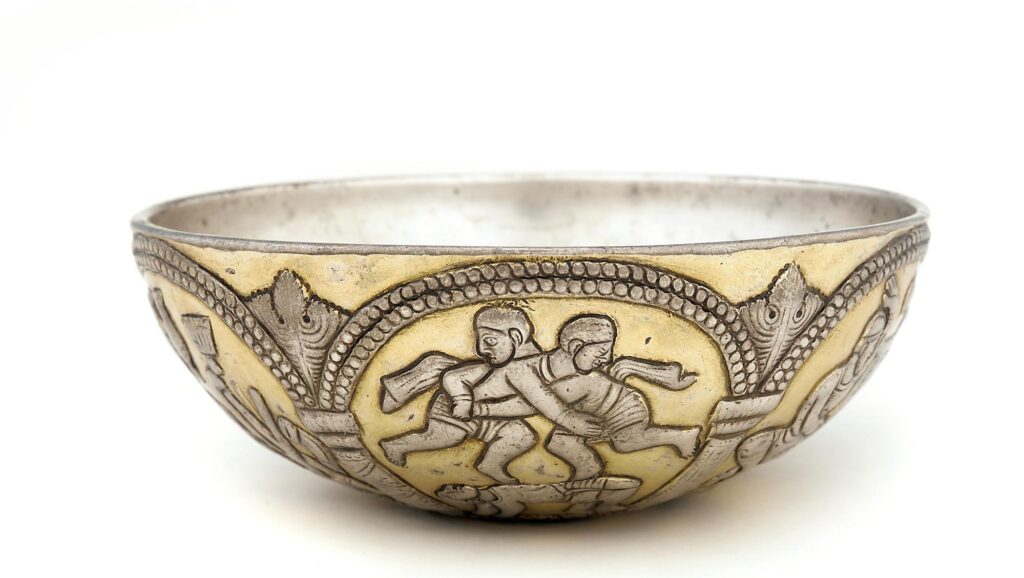
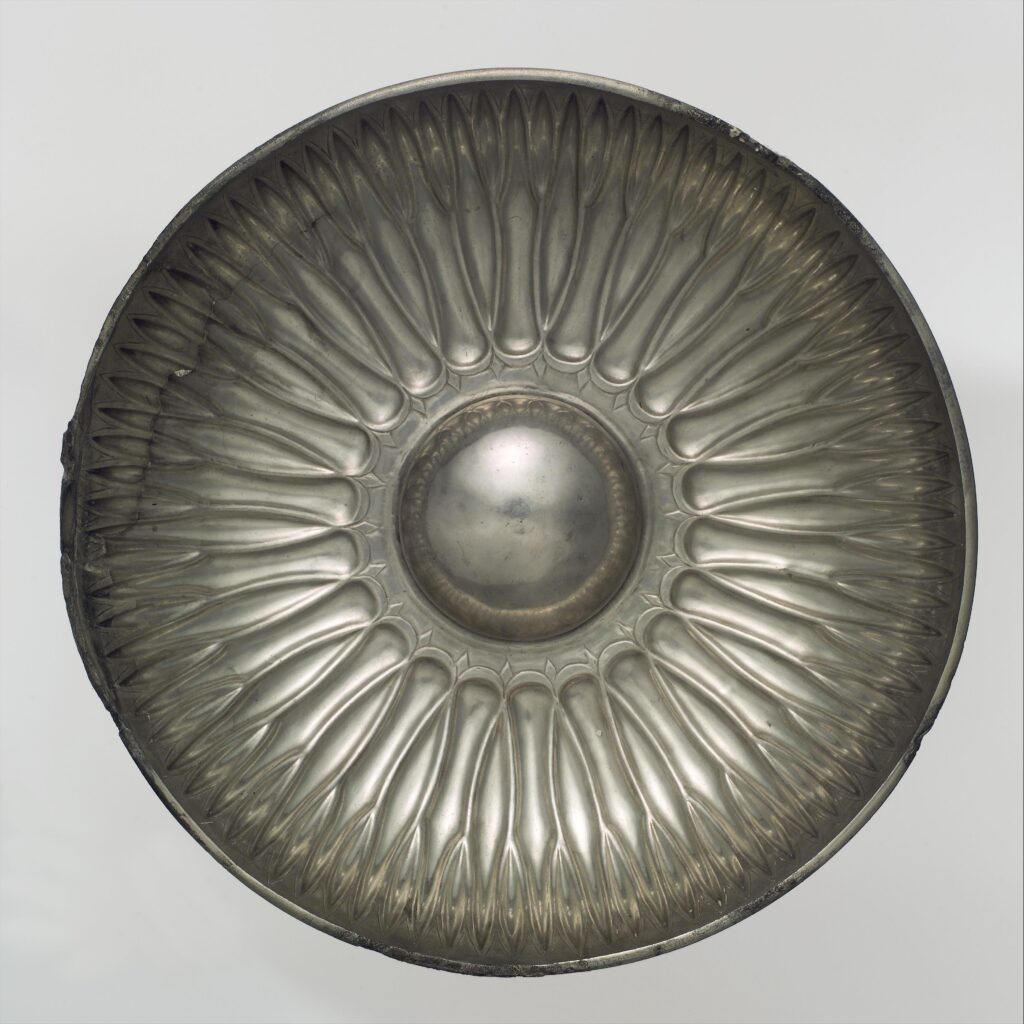
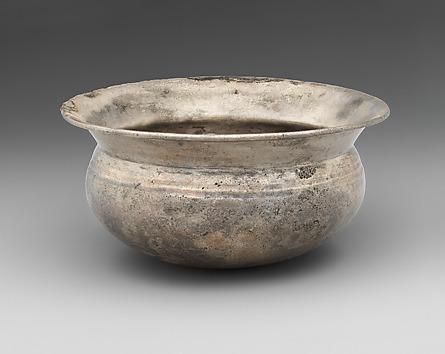
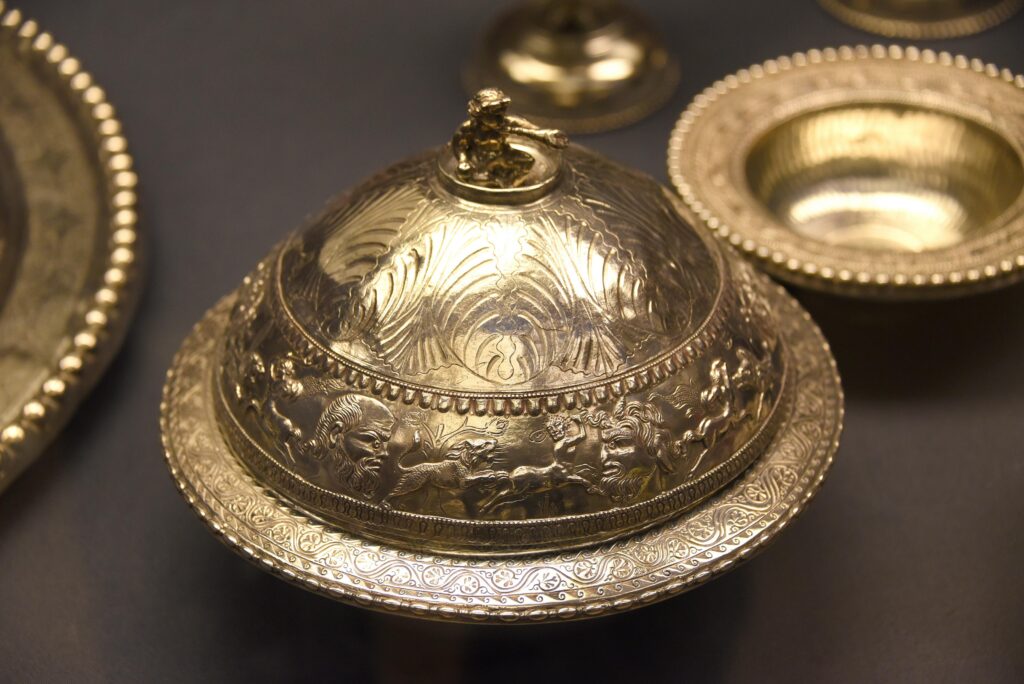
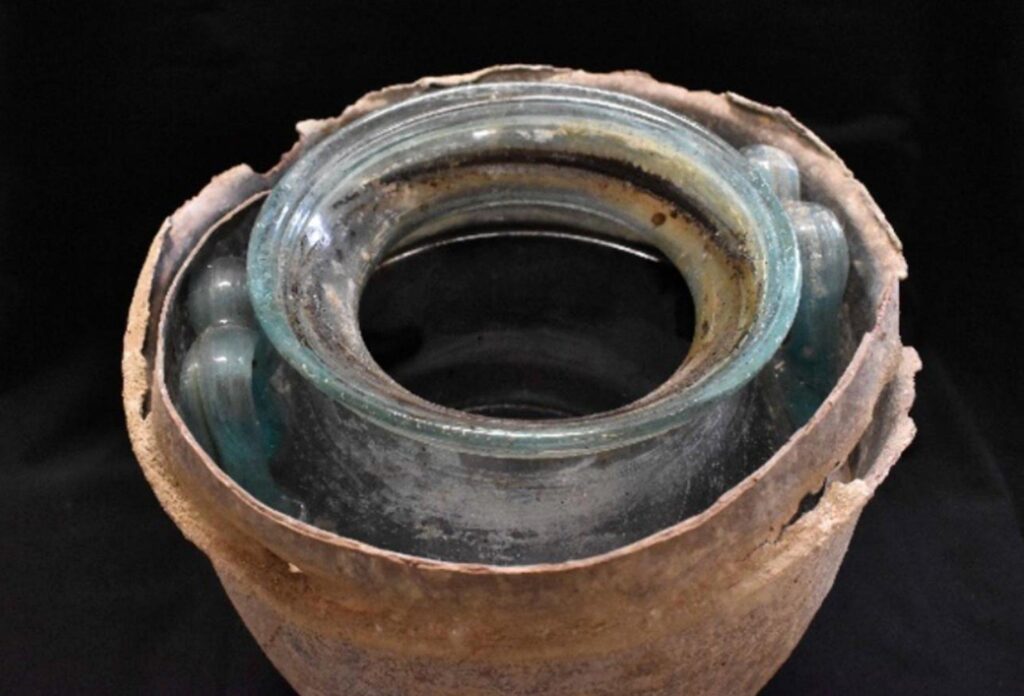
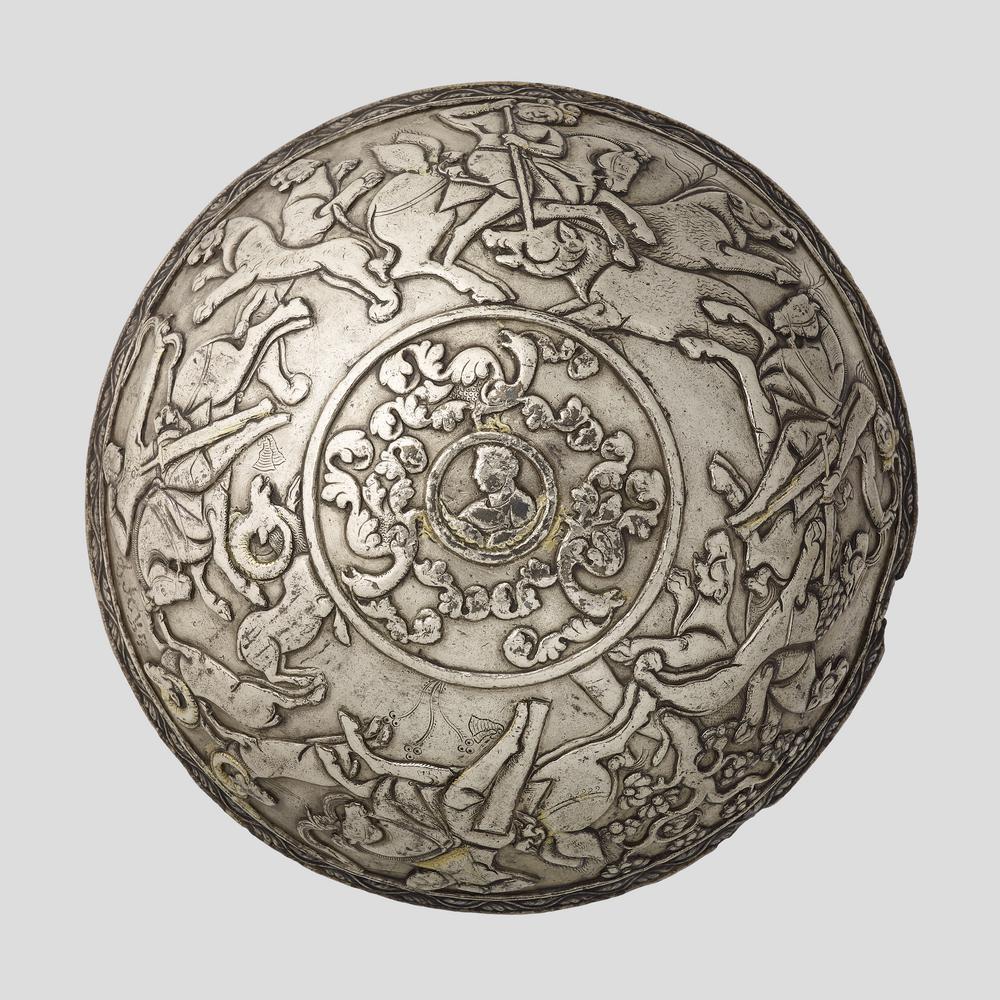
Long before coinage standardized wealth, artisans in Lydia and Egypt were already shaping electrum—a naturally occurring alloy of gold and silver—into ceremonial bowls that shimmered like captured sunlight. Dating back to roughly 650 BC, these vessels were often attributed to early metallurgical guilds tied to temple economies, particularly those operating along the Pactolus River basin.
Electrum itself, a blend typically ranging from 20–80% gold with silver and trace metals, was prized for its durability and luminous color (Wikipedia). Unlike pure gold, it required less refining and could be worked directly after rudimentary smelting.
Construction & Techniques:
Crafting an electrum bowl required hammer-forming thin sheets over stone or wooden mandrels, followed by annealing cycles to prevent cracking. Early furnaces, fueled by charcoal and bellows, reached sufficient temperatures to soften the alloy without full liquefaction. Surface finishing relied on burnishing stones and primitive abrasives—tools that would challenge even an experienced industrial polisher today.
Cost Then vs. Now:
- Then: Equivalent to a month’s pay for a soldier (based on electrum coin values) (Wikipedia)
- Now: Museum-grade electrum vessels can exceed $250,000–$1M+ depending on provenance
Use & Where Found Today:
These bowls were used in libation rituals, offerings, and elite banquets. Surviving examples are housed in institutions like the British Museum and regional Anatolian collections, though many remain buried or lost to private collections.
The Sterling Silver Presentation Bowl (circa 1850–1890)
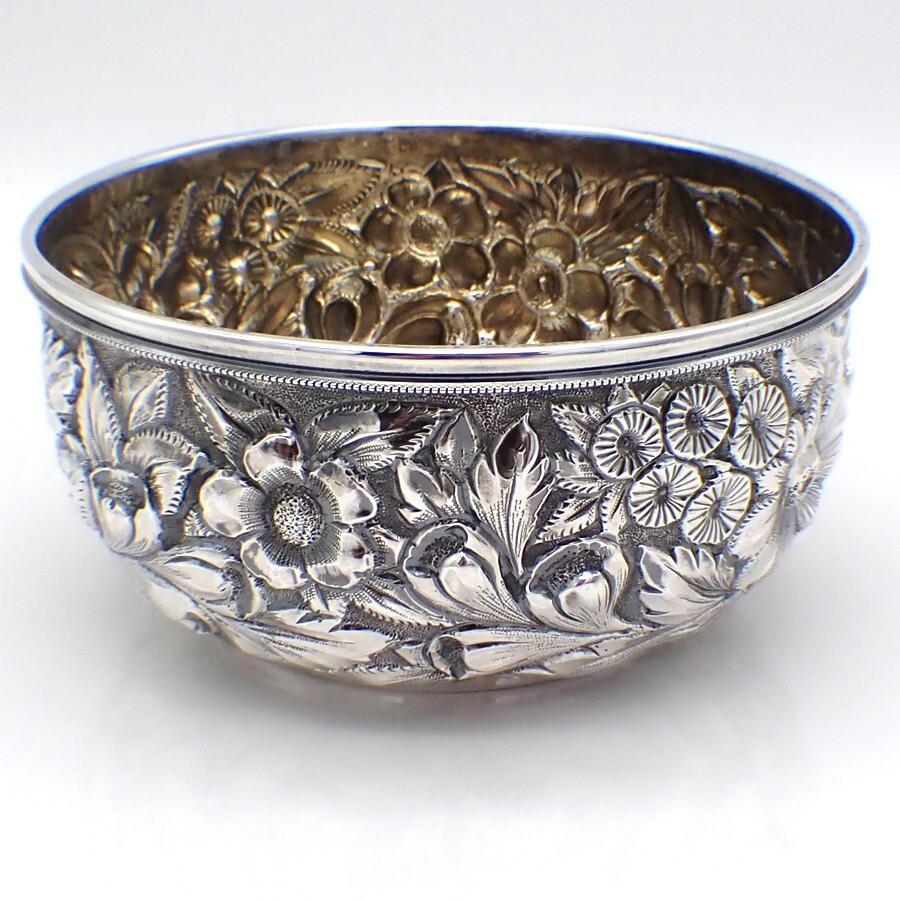
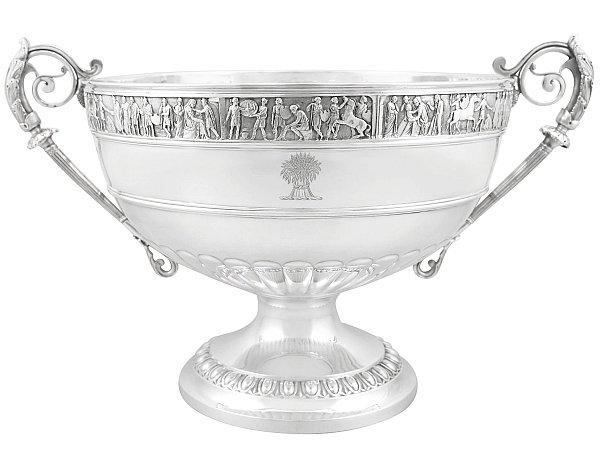
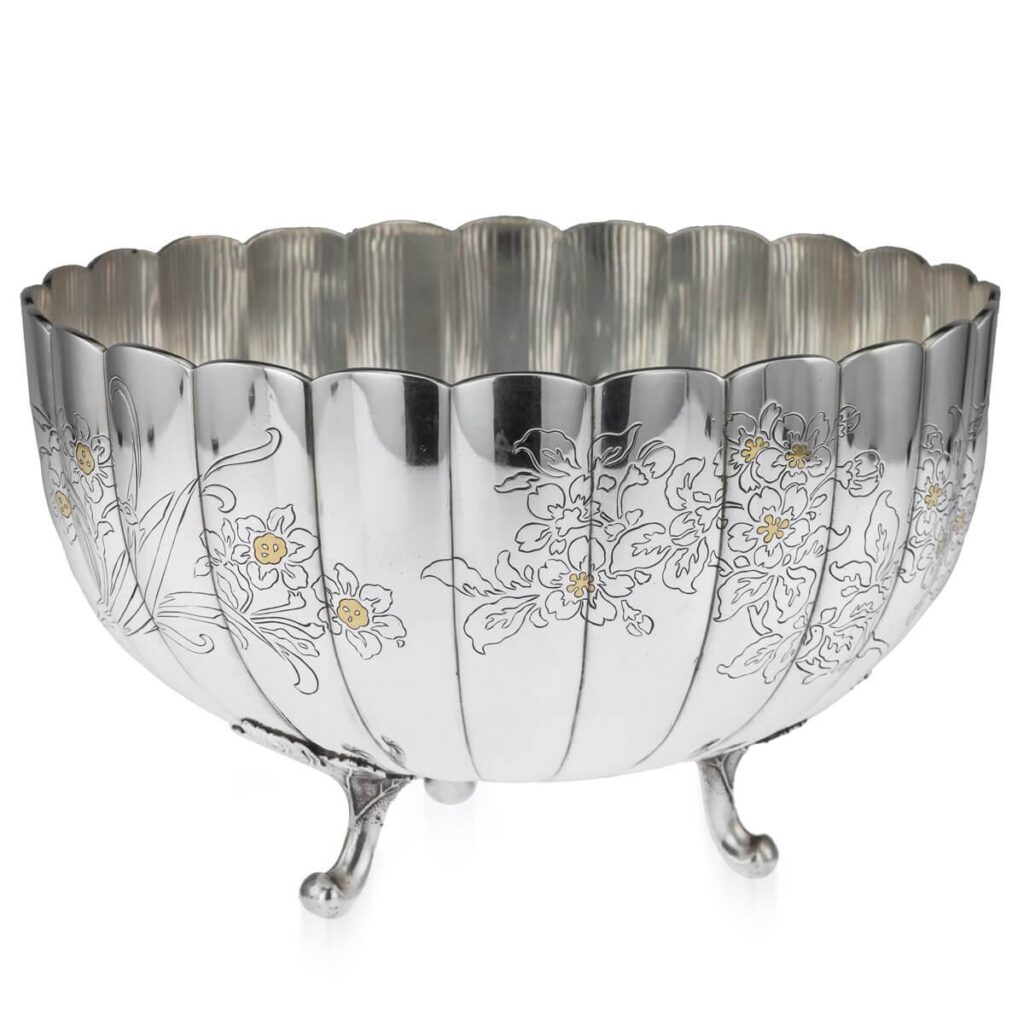
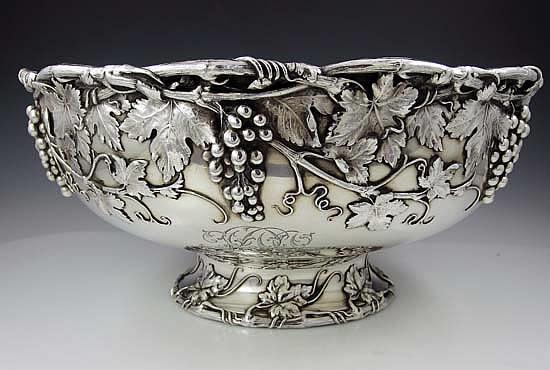
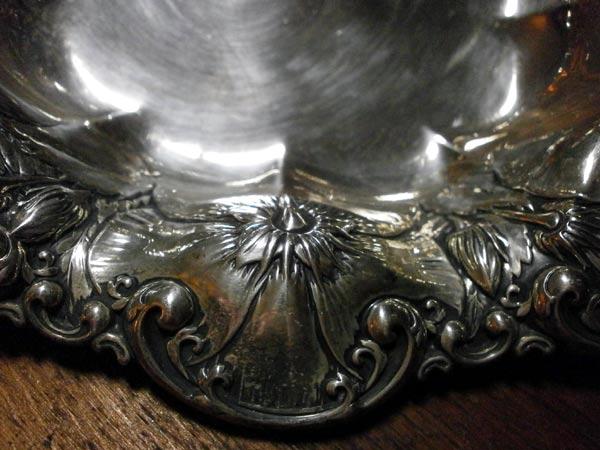
Fast-forward to the industrial age, where the silver bowl became a symbol of prestige, diplomacy, and craftsmanship. One notable example from the mid-1800s was a large sterling presentation bowl gifted in recognition of financial and political achievement, weighing over 14 pounds and intricately decorated (The Silver Bowl).
These bowls were typically produced by silversmith guilds in England, Japan, and the United States, often commissioned for royal orders or corporate milestones.
Construction & Techniques:
Silver bowls were raised from flat sheets using repeated hammering, then chased and engraved with decorative motifs. Workshops employed lathes, polishing wheels, and abrasive compounds to achieve a mirror finish—a good metal finish being the hallmark of master craftsmanship.
Equipment included:
- Foot-powered polishing wheels
- Coal-fired melting furnaces
- Steel chasing tools for ornamentation
Cost Then vs. Now:
- Then: $200–$500 (a significant sum in the 19th century)
- Now: Antique sterling bowls range from $5,000 to $75,000+, depending on origin and detail
Use & Where Found Today:
These bowls served as presentation gifts, ceremonial centerpieces, or banquet vessels. Today, they reside in museums, auction houses, and private estates—often categorized alongside expensive jewelry collections.
Why These Bowls Matter
Across centuries, these vessels tell a story of human ambition—our desire to shape rare materials into objects of meaning. From riverbed alloys to refined silver, bowls have served as both tools and symbols.
They held wine, offerings, and status. They required fire, patience, and technique. And they remind us that craftsmanship evolves—but fascination with metal never fades.
Somewhere, perhaps, a collector is still searching—wondering where to find a patience buffer capable of polishing history itself.