By Gracus Bloom | City-Paper.com
The 1880s proved to be one of the most remarkable decades in publishing history. Literacy rates were climbing, printing technology was becoming more affordable, and publishers found eager audiences hungry for adventure, mystery, and historical fiction. Many of the literary characters introduced during this era remain household names nearly 140 years later, inspiring films, television series, comics, and countless modern novels.
Here are several of the most influential book series and literary franchises that emerged during the decade.
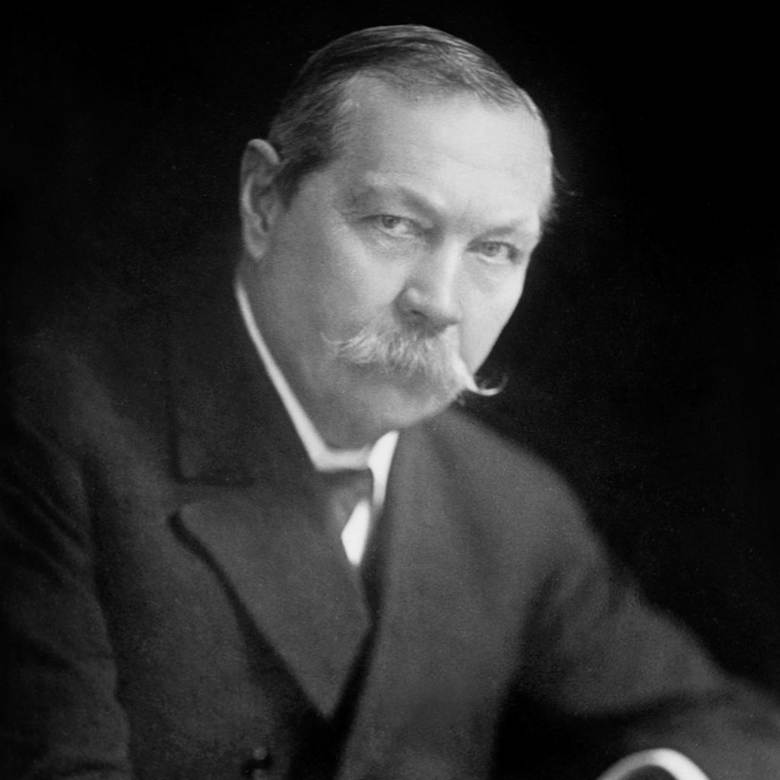
Sherlock Holmes
Author: Sir Arthur Conan Doyle
No fictional detective has influenced literature more than Sherlock Holmes.
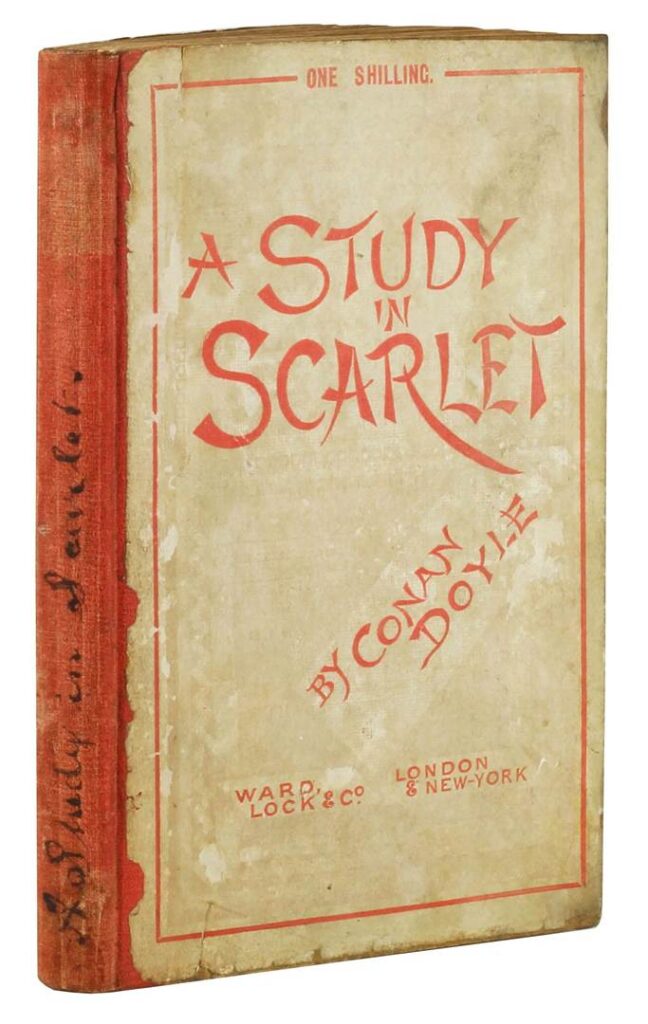
The famous sleuth first appeared in “A Study in Scarlet” (1887), published by Ward, Lock & Co. after several publishers rejected the manuscript. Doyle reportedly sold the copyright outright for about £25, a decision he later regretted as Holmes became one of the world’s most valuable literary characters. (britannica.com)
Holmes and his loyal companion Dr. John Watson solved baffling crimes using observation, deductive reasoning, and scientific investigation—techniques that transformed detective fiction forever.
Victorian newspapers praised Doyle’s originality, while readers eagerly awaited each new adventure serialized in magazines before publication as books.
Although Doyle earned relatively modest sums from his earliest Holmes stories, the franchise has since generated hundreds of millions of dollars through books, films, television, licensing, and merchandise.
Today’s readers still appreciate Holmes because his mysteries remain cleverly constructed, intellectually satisfying, and remarkably modern.
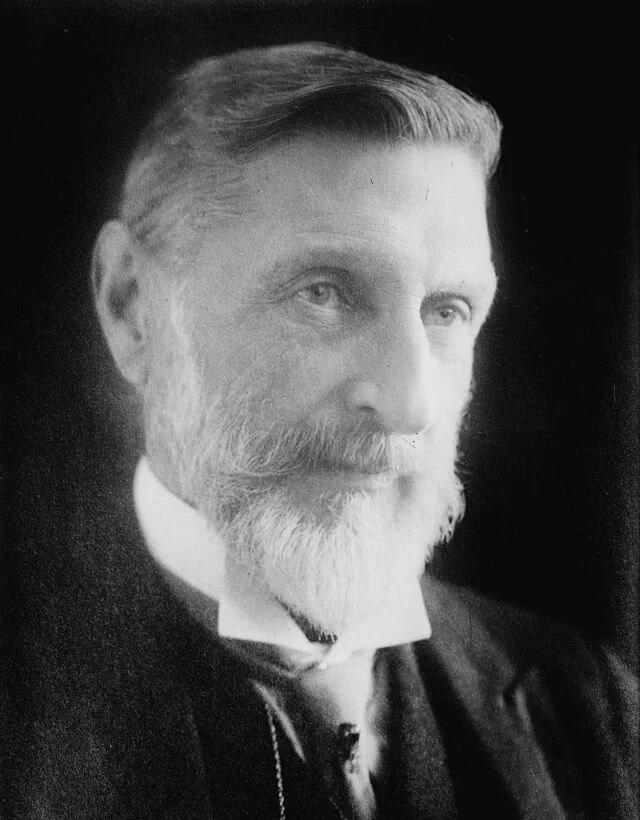
King Solomon’s Mines
Author: H. Rider Haggard
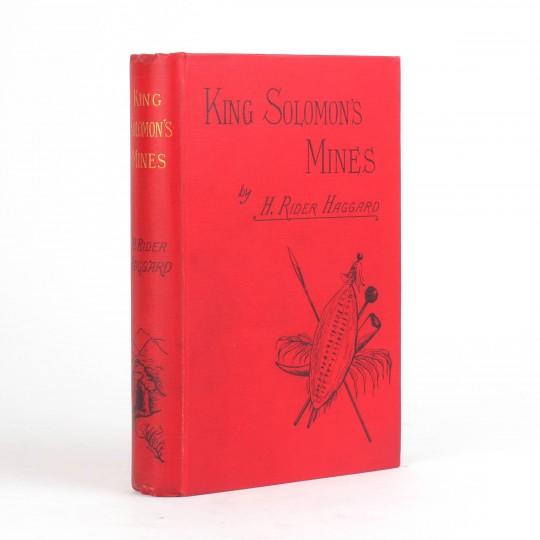
Published in 1885 by Cassell & Company, King Solomon’s Mines launched Allan Quatermain, one of literature’s earliest professional adventurers.
The novel follows Quatermain’s dangerous expedition into unexplored Africa searching for a legendary treasure.
Filled with lost civilizations, perilous landscapes, and memorable characters, the book practically invented the modern adventure novel.
The novel became an immediate bestseller in Britain and America.
Contemporary reviewers praised its exciting pace and vivid storytelling, while readers embraced Quatermain as one of fiction’s first action heroes.
The book has remained continuously in print and inspired films, comic books, television adaptations, and adventure stories ranging from Indiana Jones to modern archaeological thrillers.
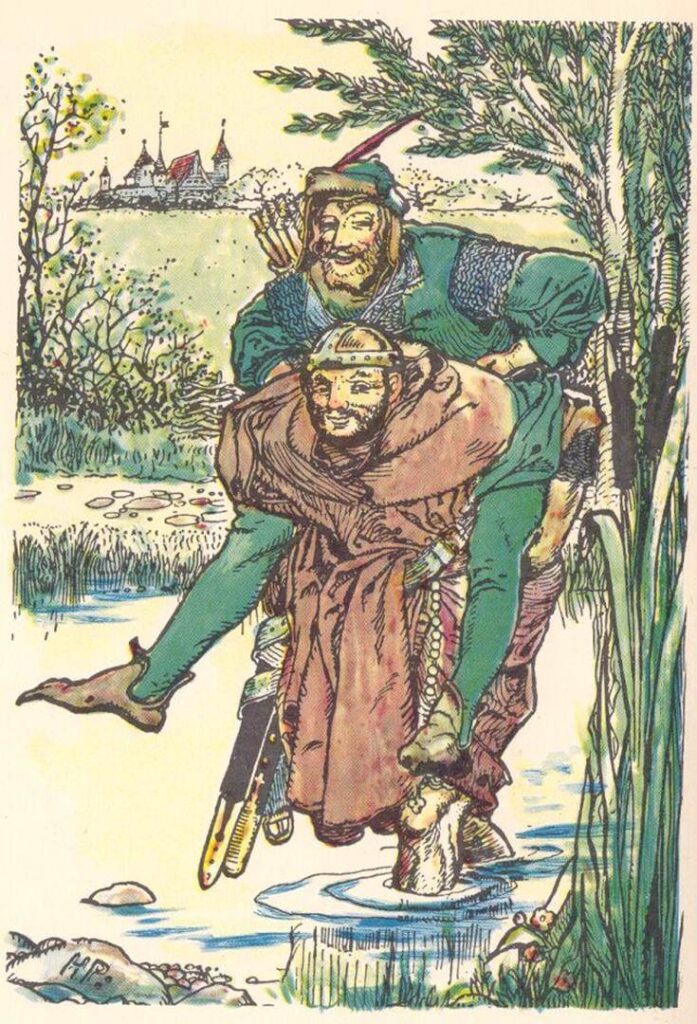
The Merry Adventures of Robin Hood
Author: Howard Pyle
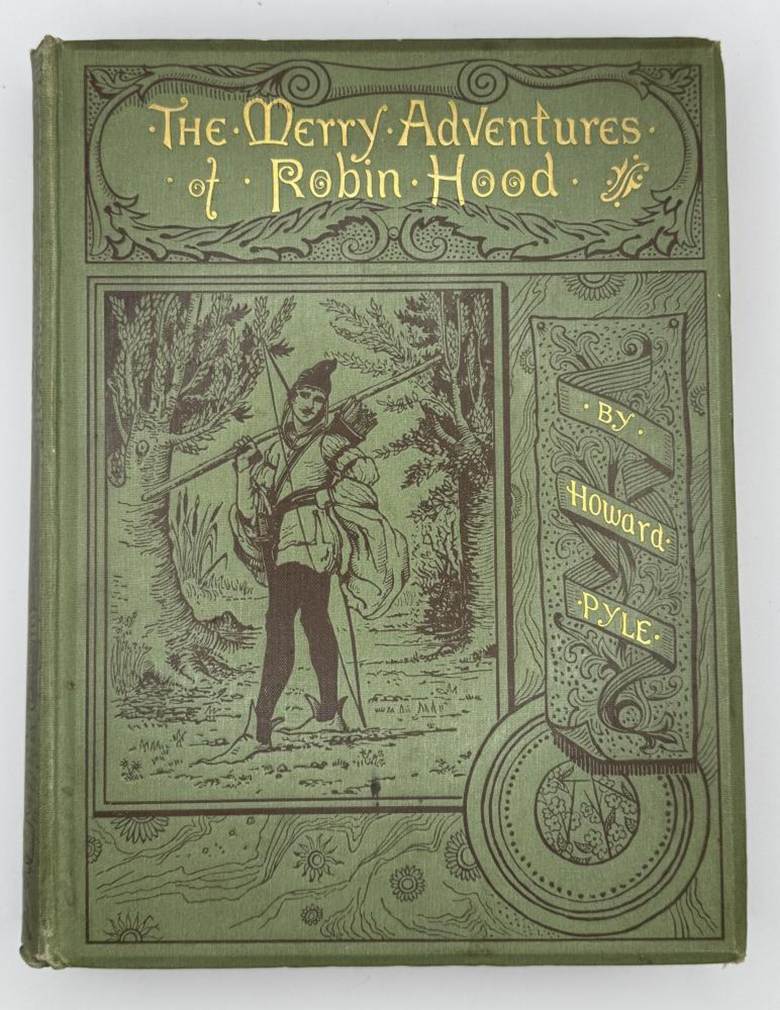
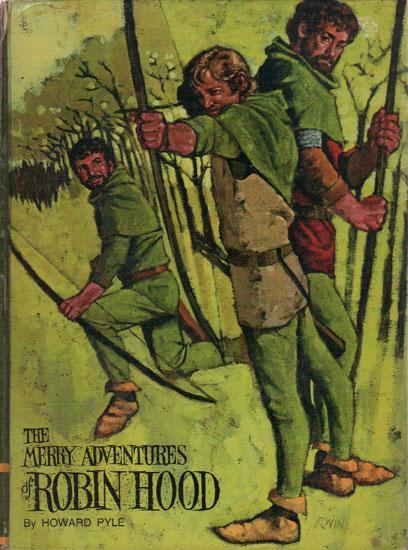
Howard Pyle’s beautifully illustrated 1883 edition published by Charles Scribner’s Sons transformed centuries-old Robin Hood legends into a single cohesive work for younger readers.
Pyle combined medieval folklore with his own elegant prose and detailed illustrations.
His version emphasized honor, justice, courage, and loyalty while introducing many readers to Little John, Friar Tuck, Maid Marian, and the Sheriff of Nottingham.
Critics admired both the artwork and storytelling.
The book became an enduring success in schools and libraries, influencing virtually every Robin Hood adaptation produced during the twentieth century.
Its timeless themes of fairness and resistance against injustice continue resonating with readers today.
The Elsie Dinsmore Series
Author: Martha Finley
Although the first volume appeared earlier, the Elsie Dinsmore books expanded significantly during the 1880s, becoming one of America’s most successful family-oriented literary series.
Published by Dodd, Mead & Company, the novels followed Elsie through childhood, adulthood, marriage, and motherhood.
The stories emphasized faith, morality, education, and family values.
The series sold millions of copies during its lifetime and remained a staple in American households well into the twentieth century.
Newspapers praised the books for their wholesome messages, though some critics considered them overly sentimental.
Even today, historians regard the series as an important reflection of Victorian family life.
Little Lord Fauntleroy
Author: Frances Hodgson Burnett
First serialized in 1885–1886 before book publication by Charles Scribner’s Sons, Little Lord Fauntleroy quickly became an international sensation.
The novel tells the story of Cedric Errol, a kind-hearted American boy who unexpectedly inherits an English title.
Its enormous popularity extended beyond literature.
Fashion retailers began selling velvet suits modeled after Cedric’s wardrobe, creating one of publishing’s earliest merchandising phenomena.
The book sold extraordinarily well worldwide and has never gone out of print.
Readers continue enjoying its optimistic message that kindness and humility can overcome prejudice and social barriers.
Why These Books Still Matter
One remarkable characteristic shared by these classics is accessibility.
Their heroes remain memorable because they possess recognizable human qualities.
Sherlock Holmes values logic.
Robin Hood champions justice.
Allan Quatermain demonstrates courage.
Cedric Errol represents compassion.
Elsie Dinsmore embodies perseverance.
These timeless traits transcend generations.
Another reason these books endure is exceptional storytelling.
Unlike many modern novels dependent on contemporary technology or current events, these classics focus on universal themes—friendship, loyalty, bravery, mystery, and personal growth.
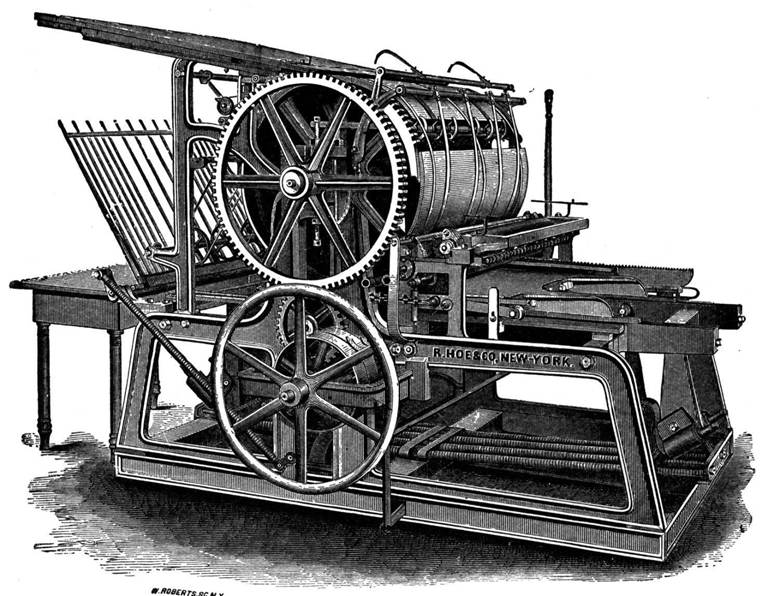
Publishers of the era also benefited from advances in printing technology.
Steam-powered presses, improved paper manufacturing, and expanding railway networks allowed books to reach readers faster and at lower prices than ever before.
Serialized publication in magazines further fueled excitement, creating eager anticipation for each new installment.
A Literary Legacy
The authors of the 1880s could hardly have imagined how influential their creations would become.
Sherlock Holmes remains the world’s most adapted fictional detective. Robin Hood continues inspiring films and television series. Allan Quatermain helped define the adventure genre. Frances Hodgson Burnett’s stories still enchant readers, while the Elsie Dinsmore books provide valuable insight into Victorian America.
Together, these works remind us that truly great stories never become obsolete. While language and settings may reflect another century, the emotions, conflicts, and ideals they explore remain just as compelling today as they were when readers first discovered them under the glow of gas lamps more than a century ago.
For anyone seeking unforgettable characters, imaginative adventures, and enduring literary craftsmanship, the book series of the 1880s continue to offer page-turning experiences that stand the test of time.