From hand-forged scythes swinging through open fields to today’s zero-turn hydrostatic monsters with precision-cutting decks, the evolution of the lawnmower represents one of the most fascinating engineering journeys in consumer machinery. For gearheads, mechanics, and outdoor power enthusiasts, the lawnmower is more than just yard equipment — it is a blend of metallurgy, small-engine innovation, gear reduction systems, and industrial design that transformed modern landscaping forever.
Before Engines: The Era of Manual Lawn Care
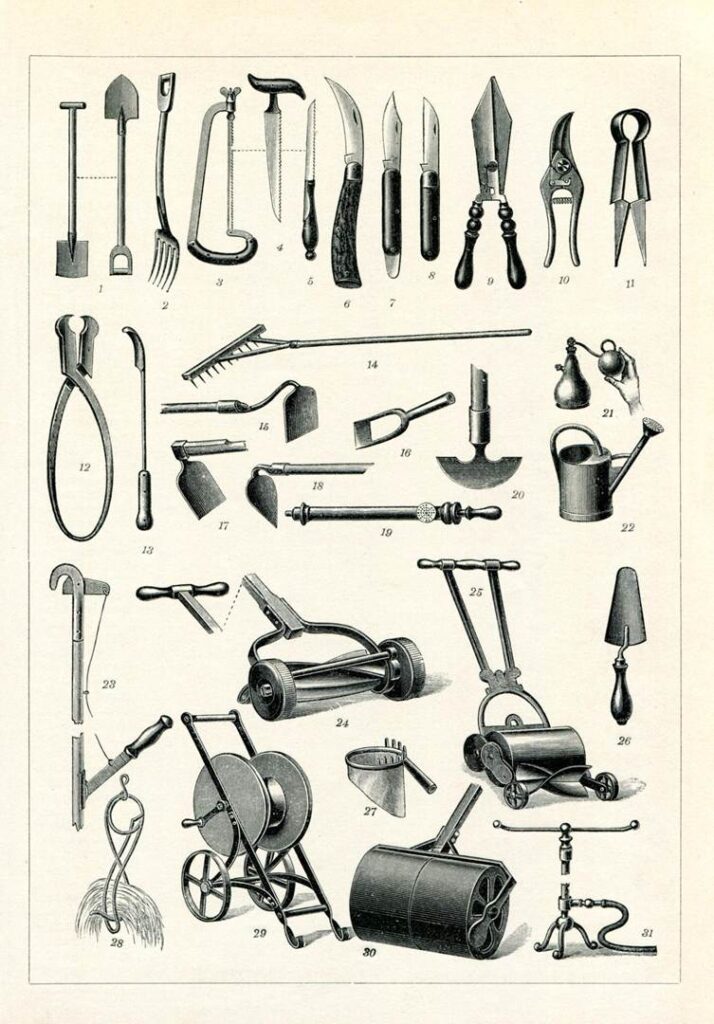
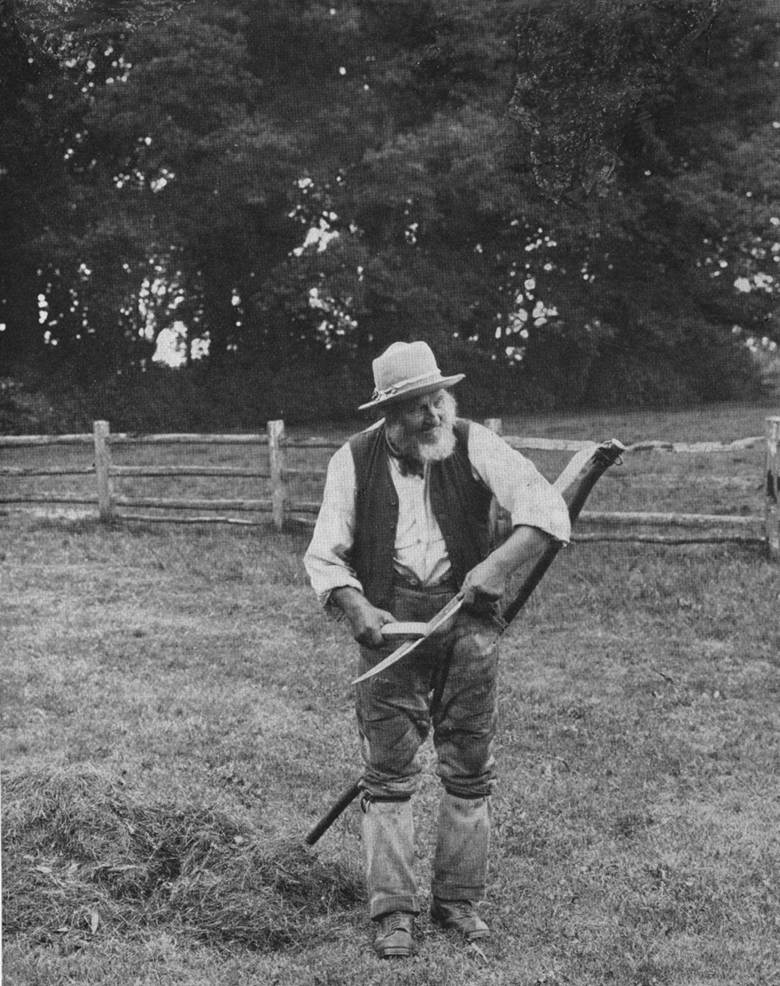
Long before powered mowing existed, grass maintenance relied almost entirely on muscle. Farmers and estate workers used scythes, sickles, and grazing livestock to maintain fields and lawns. Sheep were commonly used around estates and public grounds, naturally trimming grass while fertilizing the soil.
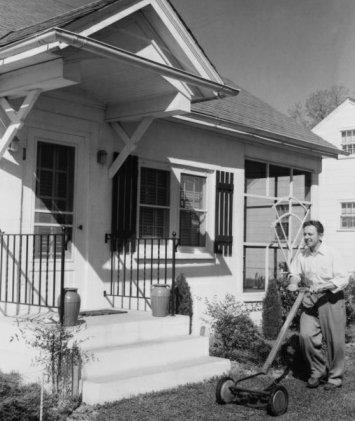
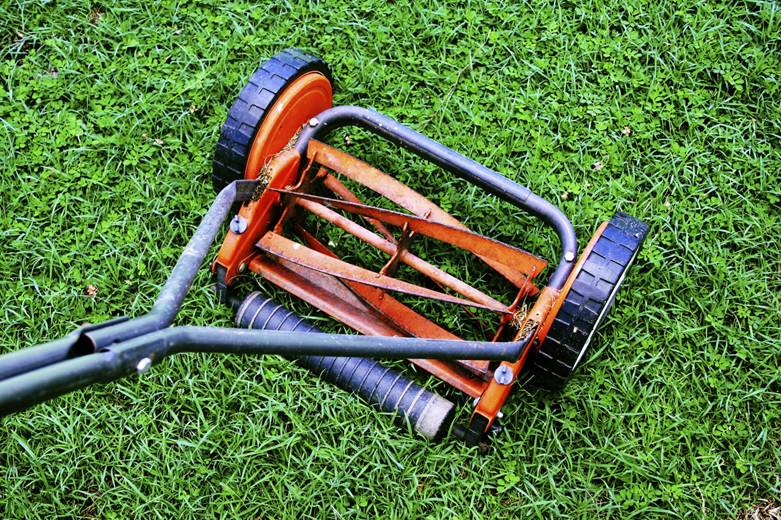
Even today, some golf courses and eco-friendly farms still utilize older forms of lawn care such as reel mowers and grazing animals for sustainable land management. Manual reel mowers remain popular among purists because of their clean scissor-like cut and near-silent operation.
The First Real Lawnmower
The first patented mechanical lawnmower is generally credited to Edwin Budding in 1830. Budding, an engineer from England, adapted a cutting-cylinder concept originally used in textile mills to trim fabric fibers. His machine used a rotating reel with blades that cut grass against a fixed lower blade, much like modern barber clippers.
Early Budding mowers were cast iron beasts driven by large rear rollers and human power. Wealthy estates, cricket grounds, and parks quickly adopted them because they produced a far more uniform appearance than scythes.
Early Mechanical Specifications
| Era | Drive Type | Blade Style | Power Source |
| 1830s | Push Roller | Reel Cylinder | Human |
| 1890s | Chain Drive | Reel | Horse/Steam |
| 1920s | Gear Drive | Rotary & Reel | Gasoline |
| 1950s | Belt Drive | Rotary | Small Engine |
| Modern | Hydrostatic | High-Speed Rotary | OHV/EFI Engines |
Gasoline Engines Changed Everything
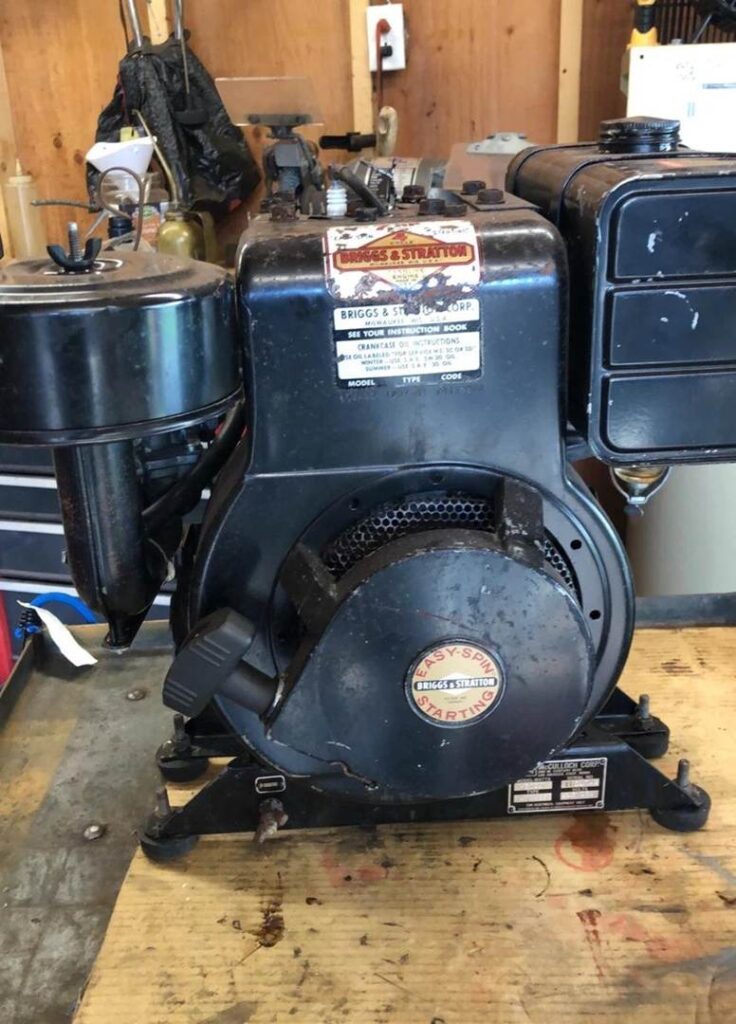
The true mechanical revolution began in the early 1900s when compact gasoline engines became practical. Companies like Briggs & Stratton helped make small-engine power affordable for homeowners and municipalities.
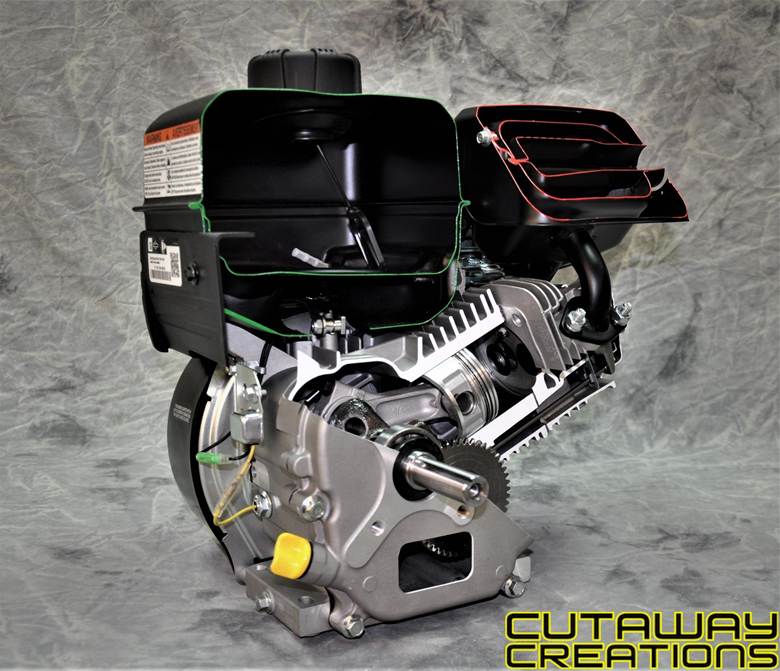
By the 1920s and 1930s, rotary blade mowers began replacing reel systems for larger properties. Rotary decks allowed higher cutting speeds and better performance in thicker grass. These early machines used simple single-cylinder flathead engines with direct crankshaft blade mounting.
After World War II, suburban expansion fueled explosive growth in lawn equipment demand. Brands like Toro, John Deere, and Craftsman turned lawnmowers into household staples.
Mechanically, this era introduced:
- Belt-driven blade systems
- Adjustable deck heights
- Self-propelled transmissions
- Centrifugal clutches
- Improved carburetion systems
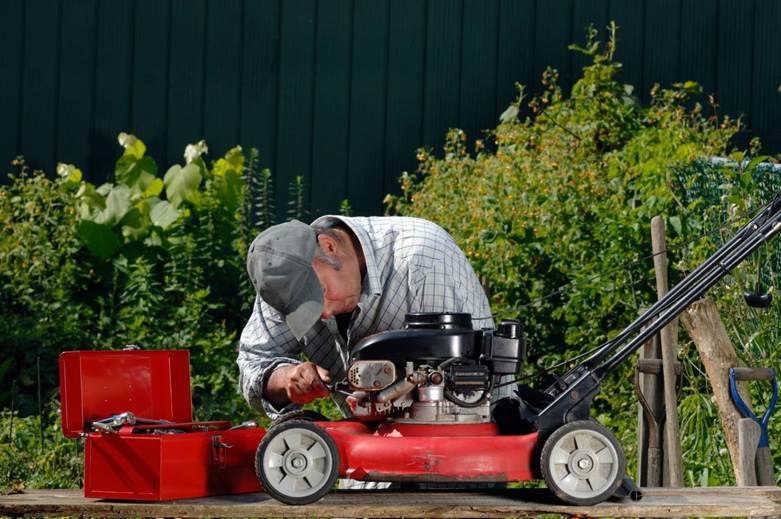
Small-engine engineering became increasingly sophisticated, leading to dedicated trades focused entirely on outdoor power repair. Today many repair facilities are actively hiring for small engine mechanic positions as older technicians retire from the workforce.
Riding Mowers and the Hydrostatic Era
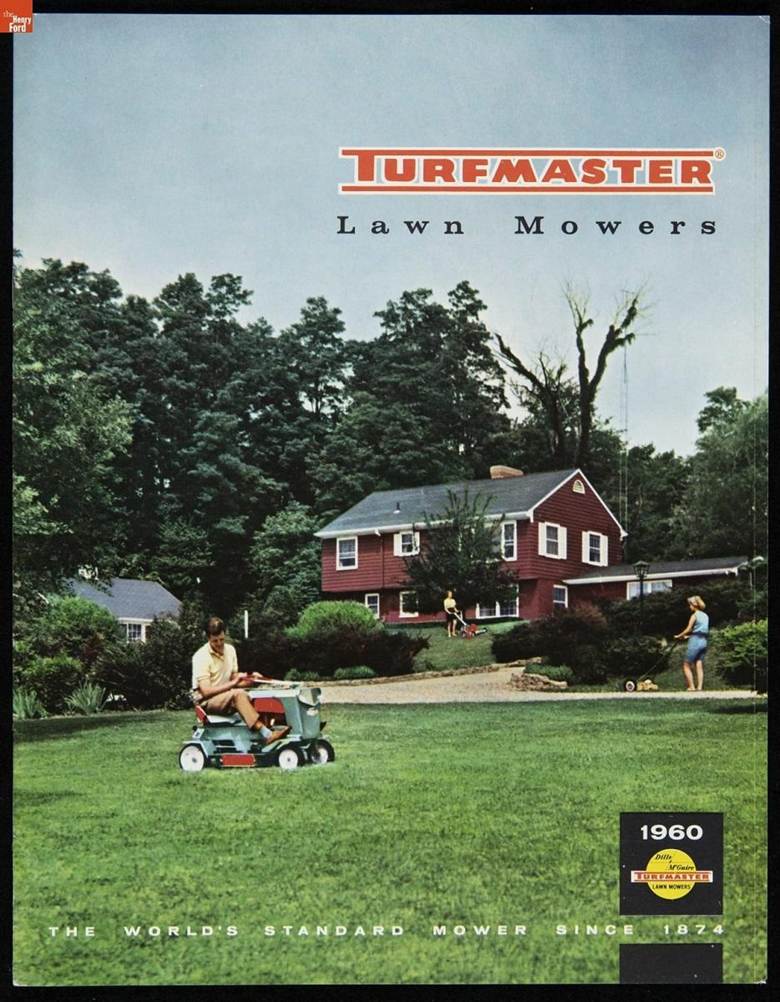
By the 1960s and 1970s, riding mowers transformed residential landscaping. Lawn tractors borrowed heavily from agricultural equipment design, incorporating gearboxes, differential axles, and multi-speed transmissions.
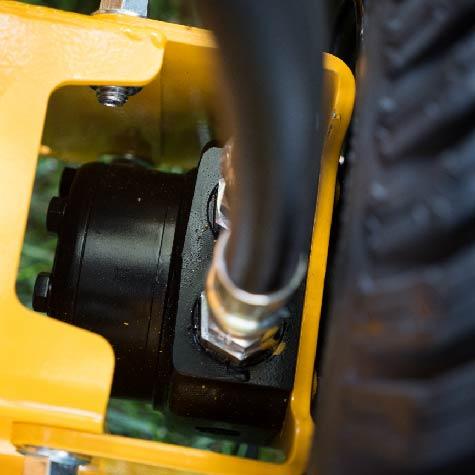
Eventually hydrostatic drives replaced traditional geared transmissions on premium models. Hydrostatic systems use hydraulic fluid pressure rather than physical gear engagement, allowing infinitely variable speed control and smoother operation.
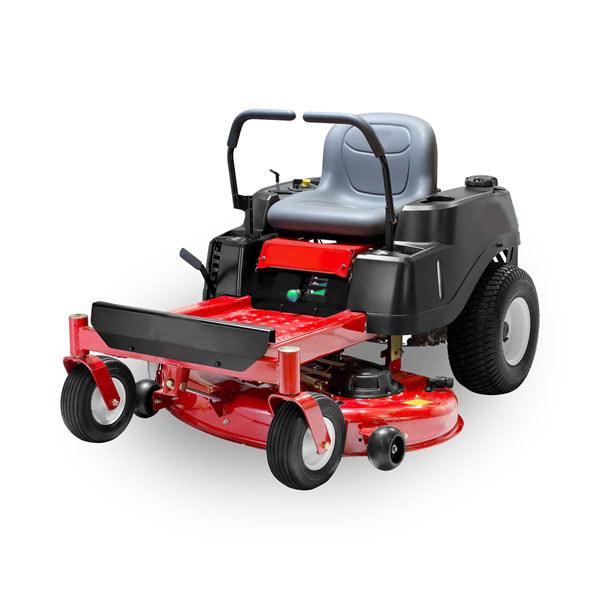
Zero-turn mowers emerged as another major leap forward. Companies like Hustler Turf pioneered dual hydrostatic wheel motors, enabling machines to pivot within their own footprint. The result dramatically reduced mowing time for commercial operators.
These machines became engineering showcases featuring:
- Welded fabricated decks
- Heavy-duty spindle bearings
- Electronic PTO engagement
- Overhead valve (OHV) engines
- Electronic fuel injection (EFI)
- Suspension seating systems
Commercial landscaping fleets today often resemble miniature industrial equipment yards. In manufacturing hubs around the country, searches for equipment mechanic jobs in Detroit, MI continue reflecting demand for technicians capable of servicing hydraulic systems, diesel equipment, and commercial mowing fleets.
The Electric and Robotic Future
Modern lawnmower technology is increasingly shifting toward lithium-ion battery systems and autonomous robotics. Brands such as Husqvarna now offer robotic mowers capable of GPS-guided lawn mapping and automated charging.
Battery-powered brushless motors eliminate carburetors, spark plugs, and fuel systems while dramatically reducing noise and emissions. Yet many gearheads still prefer traditional gasoline-powered equipment because of its repairability and mechanical simplicity.
At the same time, skilled trades remain critical to the industry’s future. Service centers nationwide continue searching for experienced outdoor power technicians, including power equipment mechanic jobs in Miami, FL where year-round landscaping creates constant equipment demand.

From Pastures to Precision Machines
The lawnmower’s evolution mirrors the broader history of mechanical engineering itself — moving from hand tools and cast-iron mechanisms to precision-machined hydrostatic systems and autonomous robotics. What started as a manually pushed reel machine in 1830 has become a technologically advanced piece of power equipment packed with sensors, hydraulics, and high-efficiency engines.
Even in an age of robotics and battery technology, the lawnmower remains a favorite among mechanics and machinery enthusiasts who appreciate the craftsmanship hidden beneath the deck. And for travelers exploring antique tractor shows, engineering museums, or restoration expos, there are always cheap travel deals waiting for those willing to chase the next great machine story.