By Gracus Bloom | City-Paper.com

The American labor market has entered the second half of 2026 with mixed signals. Employers continue hiring, layoffs remain historically low, and unemployment has stayed relatively stable. At the same time, hiring has become more selective, some industries are slowing after years of rapid expansion, and economists are closely watching whether the economy can maintain steady growth through the remainder of the year.
According to the U.S. Bureau of Labor Statistics (BLS), the nation added 57,000 nonfarm jobs in June, while the unemployment rate edged down to 4.2%. Job gains continued primarily in health care, social assistance, and professional and business services, while leisure and hospitality experienced notable job losses. (Bureau of Labor Statistics)
Despite the slower pace of hiring, economists generally agree the labor market remains resilient because layoffs have stayed unusually low. Weekly unemployment claims recently fell to their lowest level since 1969, suggesting many employers are still choosing to retain workers despite economic uncertainty. (Reuters)
Healthcare Continues Leading Employment Growth
Healthcare remains America’s strongest employment sector.
Hospitals, outpatient clinics, home healthcare agencies, rehabilitation centers, and senior living communities continue expanding to meet the needs of an aging population. Registered nurses, medical technologists, imaging specialists, physical therapists, and medical assistants remain among the most sought-after professionals nationwide.
Likewise, the home health care outlook remains favorable as demographic trends continue supporting long-term demand for caregivers, therapists, and home-based medical services. (Bureau of Labor Statistics)
Manufacturing Shows Encouraging Signs
Manufacturing has produced modest but encouraging gains during 2026.
Federal officials continue highlighting investments in domestic production, reshoring efforts, and infrastructure spending as positive influences on factory employment. While growth has been gradual rather than explosive, sectors tied to aerospace, electrical equipment, heavy machinery, and advanced manufacturing continue adding positions. (U.S. Department of Labor)
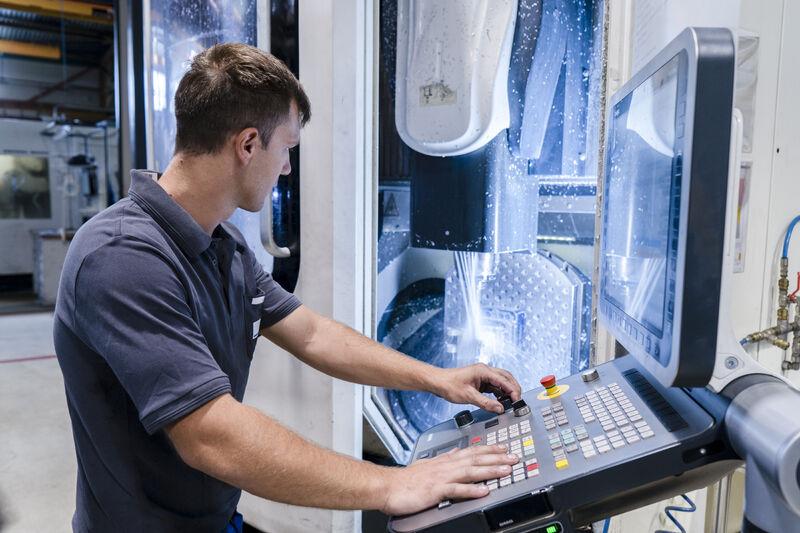
Companies continue reporting hiring needs for skilled trades including CNC programmers, maintenance mechanics, welders, industrial electricians, and machinist jobs, particularly in regions with expanding industrial production.
Construction Remains Steady
Commercial construction continues benefiting from infrastructure investments and manufacturing expansion.

Demand remains healthy for electricians, pipefitters, HVAC technicians, heavy equipment operators, project managers, estimators, and commercial construction supervisors.
Large industrial facilities, distribution centers, semiconductor plants, and energy projects continue generating employment opportunities across numerous states.

Technology Hiring Becomes More Selective
Technology remains an important contributor to the U.S. economy, although hiring has become more measured than during the rapid expansion seen earlier this decade.
Artificial intelligence, cybersecurity, cloud computing, and semiconductor development continue attracting investment, while some software companies have slowed hiring following workforce reductions over the past two years.
Professionals possessing specialized technical skills remain highly competitive despite a more cautious hiring environment.

Transportation and Logistics Hold Firm
Freight movement continues supporting employment in trucking, warehouse operations, aviation maintenance, and supply chain management.
Growth in e-commerce continues driving demand for distribution centers and logistics professionals, although hiring has become more balanced compared to pandemic-era surges.
Industries Facing Headwinds
Not every sector has enjoyed positive momentum.
Leisure and hospitality experienced employment declines during June as restaurants, hotels, and entertainment venues adjusted staffing levels following strong post-pandemic expansion. (Bureau of Labor Statistics)
Some retail businesses also continue restructuring operations as consumers increasingly shift purchases online.
Corporate administrative positions have likewise become more competitive as organizations seek greater efficiency through automation and artificial intelligence.
Skilled Trades Continue Finding Opportunity
One of the brightest aspects of today’s employment market remains skilled trades.
Across manufacturing, utilities, energy, transportation, and construction, employers continue reporting shortages of experienced technicians.
Electricians, industrial mechanics, welders, precision machinists, maintenance technicians, PLC programmers, HVAC specialists, and automation professionals remain difficult positions for employers to fill.
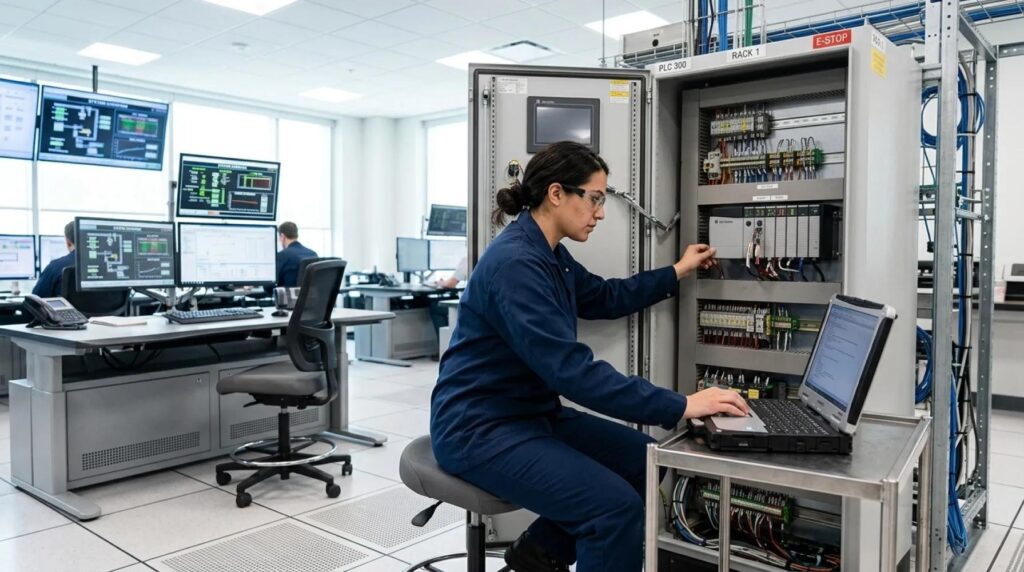
Likewise, control technicians careers continue gaining momentum as manufacturers invest in automation, robotics, programmable logic controllers (PLCs), and smart factory technologies.
Automotive collision repair also remains active, with continued demand for experienced refinishers, estimators, and autobody shop jobs as repair volumes remain healthy.
Another specialty trade seeing steady interest is industrial coatings and corrosion protection. The industrial painting jobs outlook remains favorable across shipyards, bridges, manufacturing facilities, pipelines, and energy infrastructure projects where protective coatings are essential.
What Government Officials Are Saying
Acting Labor Secretary Keith Sonderling described June’s employment report as evidence that private-sector employment continues growing while manufacturing investment expands. Administration officials point to domestic manufacturing initiatives, infrastructure projects, and tax policy as factors supporting employment growth during 2026. (U.S. Department of Labor)
Meanwhile, many economists caution that although unemployment remains relatively low, slower payroll growth means future reports will be watched carefully for signs of either renewed hiring or additional slowing.
Reports Employers Will Watch
Several important government releases over the coming weeks are expected to provide additional clarity regarding the labor market.
Among the most anticipated are:
- The July 2026 Employment Situation Report, scheduled for August 7, 2026, from the Bureau of Labor Statistics.
- Updated unemployment insurance claims released weekly by the U.S. Department of Labor.
- Employment Cost Index reports measuring wage growth.
- Job Openings and Labor Turnover Survey (JOLTS), providing insight into hiring, quits, and available job openings.
- Quarterly productivity and labor cost reports.
Together, these reports help economists determine whether hiring is stabilizing or entering a more pronounced slowdown. (Bureau of Labor Statistics)

Bright Spots for Job Seekers
For Americans considering career moves before year’s end, several occupations continue showing promising momentum.
Healthcare remains among the strongest long-term choices due to demographic demand.
Industrial maintenance, electrical construction, renewable energy, utilities, advanced manufacturing, aviation maintenance, logistics, and skilled mechanical trades continue reporting shortages of experienced workers.
Cybersecurity professionals, data analysts, AI specialists, electromechanical engineers, accountants, commercial drivers, and supply chain managers also remain attractive career paths despite broader economic uncertainty.
Workers willing to relocate or pursue additional certifications often find significantly expanded opportunities.
Looking Toward the End of 2026
Although hiring has slowed compared with previous years, the American labor market remains fundamentally stable.
Historically low layoffs continue providing confidence that employers remain cautious about losing skilled employees after years of workforce shortages. At the same time, businesses appear increasingly focused on hiring candidates with specialized technical skills rather than expanding payrolls broadly.
The remainder of 2026 will likely depend on inflation trends, interest-rate policy, business investment, and consumer spending. If manufacturing investments continue, infrastructure projects remain funded, and healthcare demand stays strong, several industries could finish the year with meaningful employment gains.

For job seekers, flexibility remains the greatest advantage. Workers who continue developing technical skills, earning certifications, and adapting to emerging technologies are likely to find the strongest opportunities as employers compete for specialized talent.
Government Employment Resources
For readers who want to follow official employment data directly, these resources provide the latest reports and release schedules:
- U.S. Bureau of Labor Statistics – Employment Situation
- BLS Employment Report Release Schedule
- U.S. Department of Labor Newsroom