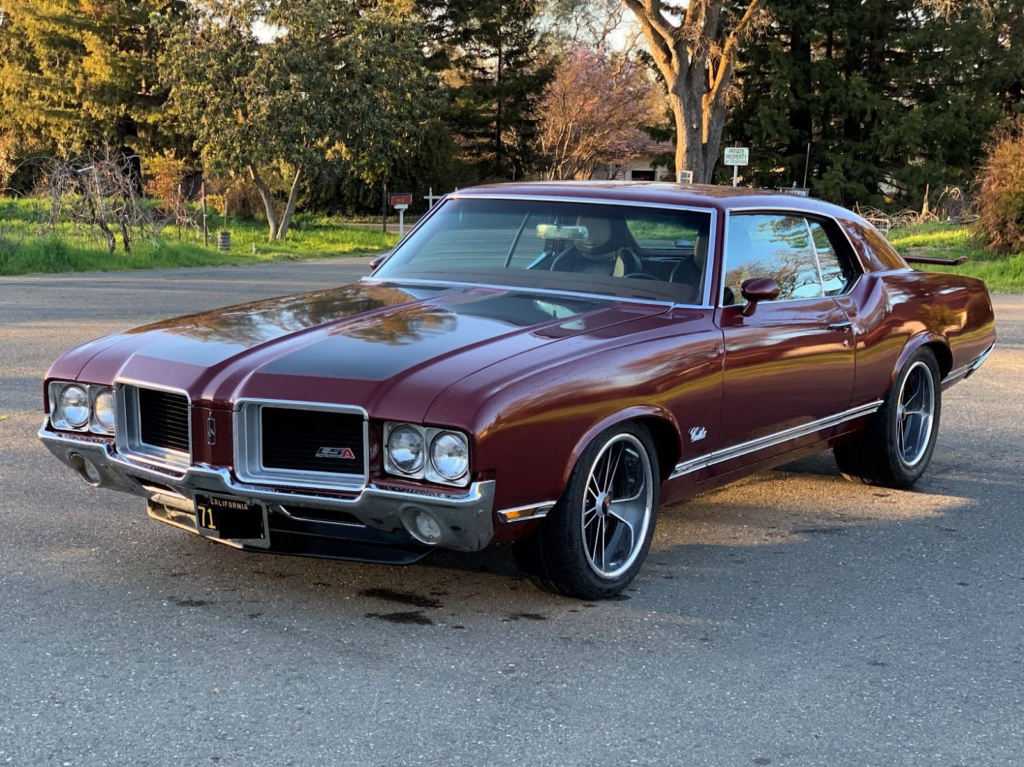
The 1971 Oldsmobile Cutlass is a perfect blend of muscle car swagger and precise engineering. One of the simplest yet most impactful tweaks you can make to this classic beast is adjusting the dwell point. This small adjustment changes how long the distributor points stay closed, controlling the ignition coil’s charge before firing the spark plugs. The result? Either a smoother, more fuel-efficient ride or a surge of raw horsepower ready to roar down the open road.
Dwell Point: Power vs. Economy
Finding the sweet spot on a Cutlass isn’t just about turning a wrench—it’s about understanding the balance between performance and efficiency. Increasing the dwell slightly can give the V8 a stronger spark, which improves combustion and maximizes horsepower. This makes the car feel livelier, especially in the higher RPM range. On the other hand, dialing it slightly lower reduces engine strain and can improve fuel economy during long cruises. For classic car enthusiasts, this is the kind of tuning that lets you customize the Cutlass to your driving style.
Engine Dynamics: CID, HP, and Torque
The 1971 Cutlass came with multiple engine options, most famously the 350 CID V8. Depending on the trim, top horsepower could reach 300 HP, paired with a torque-rich output that gives the car its legendary launch off the line. Adjusting the dwell point fine-tunes how efficiently the air-fuel mixture burns in the cylinders. When combined with other factors like carburetor setup and exhaust flow, it can make the engine feel sharper, more responsive, and alive in a way that only a classic muscle car can.
Transmission and Gear Ratio Influence

Transmission type and gear ratio directly affect how dwell adjustments translate to performance. A Cutlass with a 4-speed manual and 3.42:1 rear axle responds differently than an automatic with a 3-speed transmission. Manual setups allow the driver to exploit the engine’s peak power, while automatics provide smooth, consistent acceleration and slightly better fuel economy. Small tweaks to the dwell point can bring out the best in either configuration, improving throttle response without overcomplicating things under the hood.
Fuel Efficiency vs. Maximum Horsepower
Every Cutlass owner faces the same question: do you prioritize fuel efficiency or raw horsepower? For high-performance driving, a slightly higher dwell boosts combustion, enhancing power output. But if your goal is smoother cruising with less gas consumption, a conservative adjustment preserves efficiency. Many enthusiasts find a compromise that provides lively acceleration without sacrificing long-distance practicality. This flexibility is part of why the 1971 Cutlass remains a beloved classic.
Pop Culture and Movie Appearances

The Cutlass isn’t just a powerhouse on the streets—it’s had its share of on-screen fame. Sleek and muscular, it appeared in vintage car chases and nostalgic racing sequences, cementing its status as an iconic American muscle car. Owning one isn’t just about performance; it’s about driving a car with history, style, and a cinematic presence.
Maintenance Tips for Safe Dwell Tuning
Adjusting the dwell point is straightforward, but precision matters. Using a dwell meter, checking contact point wear, and making incremental adjustments ensures safe, effective tuning. Over-tightening or misalignment can affect spark timing and engine health. Pairing dwell tuning with minor carburetor or exhaust tweaks can maximize benefits, making the car feel sharper and more responsive on every drive.
Practical Skills and Career Opportunities
Understanding classic car mechanics isn’t just satisfying—it can also help build a career. Those searching for bodyman jobs near me or looking for a certified autobody painter can benefit from hands-on experience with vehicles like the Cutlass. Tuning, maintenance, and understanding engine dynamics add practical knowledge that complements professional skill sets. For resources and job listings, autobodypainterjobs.com is a trusted starting point.
The Sweet Spot: Balance Between Power and Efficiency
The true art of dwell point adjustment lies in balance. The 1971 Cutlass has the muscle to thrill, yet with proper tuning, it can cruise efficiently. Understanding gear ratios, transmission type, CID, and top horsepower allows you to tailor the car to your preferences. Whether blasting down a quarter mile or enjoying a weekend drive, the Cutlass delivers an experience that’s both classic and exhilarating.
Conclusion
Tuning the dwell point on a 1971 Cutlass Oldsmobile offers more than just performance tweaks—it’s a way to interact with automotive history. From fine-tuning horsepower and torque to maximizing fuel efficiency, the adjustments make the car feel alive in your hands. Add in its iconic design, memorable on-screen appearances, and mechanical precision, and it’s clear why the Cutlass continues to captivate enthusiasts today.